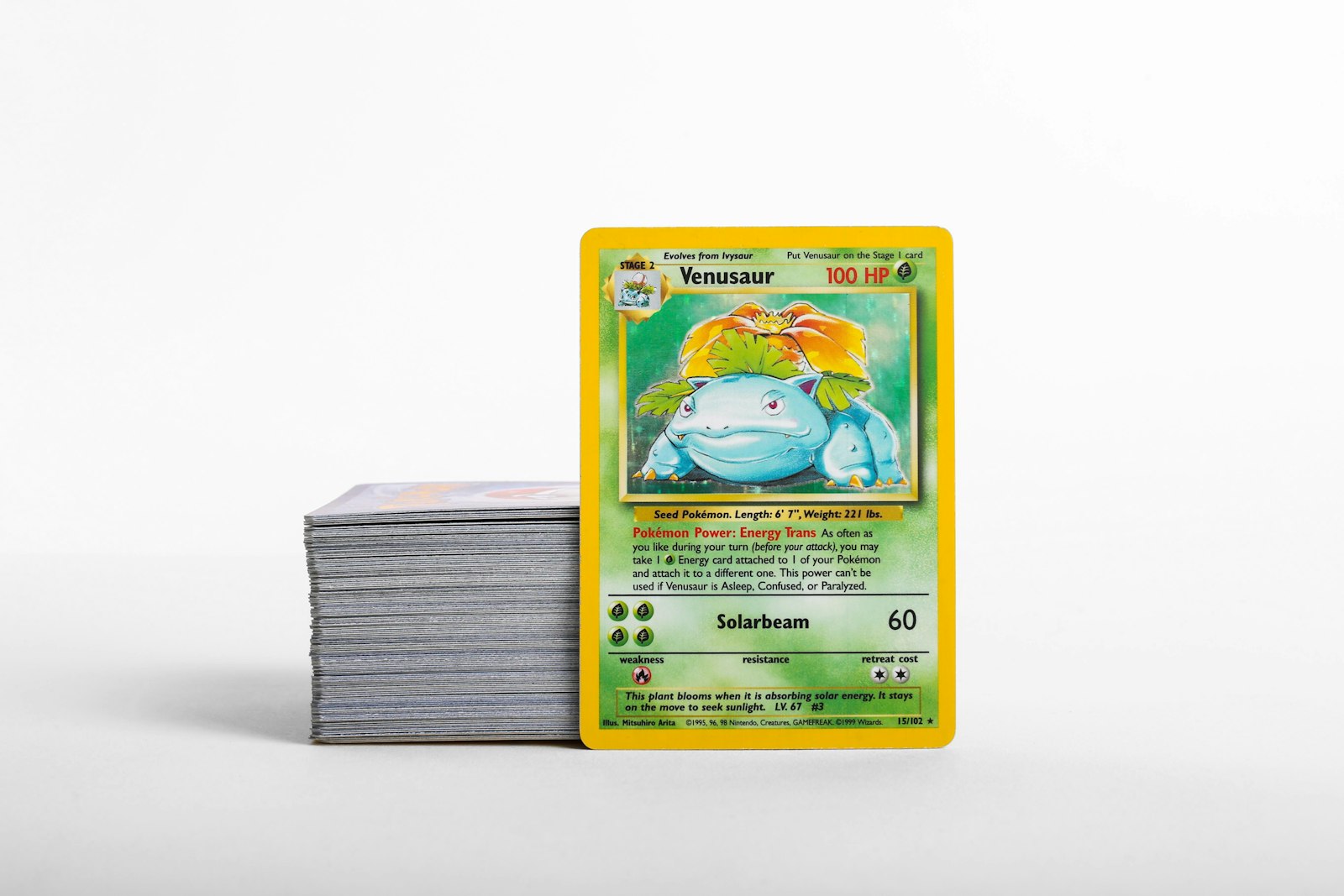
Pulling a beautiful card from a booster pack is one of the best feelings in collecting. However, once that card leaves the pack, its condition is entirely in your hands. Many collectors make the mistake of placing raw cards into binders or boxes without considering how physical wear, pressure, and environmental elements can slowly degrade them over time.
To avoid storage damage on raw Pokemon cards, you must match each card's physical condition and rarity to the correct level of protective gear. This practical guide covers how to evaluate your cards, choose the right sleeves, select safe binders, and organize your storage boxes so your collection remains protected for the long haul.
1. Evaluate Card Condition Before Selecting Storage
Before you place any card into a sleeve or binder, you must inspect its current condition. Trapping dust, dirt, or moisture inside a sleeve can cause permanent surface scratches or warping over time.
When evaluating raw cards, look for three main risk factors:
- Surface Moisture and Dust: Gently wipe away any loose particles using a clean, dry microfiber cloth. Never use moisture or cleaning solutions on raw cardboard.
- Foil Curl: Holographic cards are highly susceptible to humidity, which causes the foil layer to contract and bend the card. If a card is already starting to curl, it needs a storage format that offers firm, flat pressure.
- Edge and Corner Fragility: Older vintage cards often have softer edges. Pushing these cards into tight sleeves can cause immediate splitting or whitening along the borders.
To keep your physical handling to a minimum, use a pokemon card scanner to catalog and identify your cards before you place them into long-term protective storage. This ensures you have a digital record of the card's details without needing to pull it out of its sleeve repeatedly.
2. Penny Sleeves vs. Perfect Fits: Choosing the Right First Layer
The first layer of defense for any raw card is the sleeve. However, not all sleeves serve the same purpose. Choosing the wrong type can actually create wear during insertion or removal.
#### Penny Sleeves These are loose-fitting, clear plastic sleeves. Because they are slightly larger than the card itself, they minimize friction during insertion, making them the safest option for vintage cards with fragile edges. They are also the standard first layer before placing a card into a rigid toploader.
#### Perfect Fit Sleeves Designed to match the exact dimensions of a Pokemon card, perfect fits are excellent for double-sleeving. However, they require careful handling. Pushing a card into a tight perfect fit can easily catch a corner and cause minor creasing or edge whitening if you are not gentle. Use these primarily for modern cards in excellent condition when you plan to double-sleeve them for a binder.
#### Deck Protectors These matte or textured-back sleeves offer a stiffer construction. They are perfect for cards destined for binder pages, as they slide in and out of pocket pages smoothly without sticking.
3. Choosing Binders That Prevent Ring Damage
Binders are a classic way to display a growing collection, but poor binder selection is a leading cause of card damage. The pressure from binder rings and the way pages turn can ruin cards if the setup is incorrect.
- Avoid Standard 3-Ring Metal Binders: The metal rings can easily press against the innermost column of card pockets when the binder is closed or stacked. This creates a permanent, curved indent on your cards known as "ring damage."
- Use Ringless, Strap-Closed Binders: Look for binders with a fixed, sewn-in spine. These keep the pages flat and eliminate the risk of metal rings pressing into your cards.
- Insist on Side-Loading Pockets: Top-loading binder pages allow dust to settle inside the pockets over time. Side-loading pockets prevent dust from entering and keep cards from sliding out when the binder is carried or turned upside down.
- Look for Padded, Zippered Covers: A zippered closure keeps environmental dust and pests out, while a padded cover absorbs external pressure when binders are stored side-by-side on a shelf.
4. Toploaders vs. Magnetic Cases for Premium Protection
For your highest-value raw cards, standard binder pockets might not offer enough rigidity. This is where hard cases come into play.
| Protection Type | Best Used For | Key Advantage | Storage Tip | | :--- | :--- | :--- | :--- | | Standard Toploaders | Rare hits, holos, and trade inventory | Rigid, cost-effective physical protection | Always put the card in a penny sleeve first to prevent surface scratches from the hard plastic. | | Magnetic Cases (One-Touch) | Top chase cards and display pieces | Premium aesthetic, heavy UV protection | Ensure the card fits the inner recessed corner pocket perfectly so the edges do not get pinched when closed. | | Semi-Rigid Holders | Grading submissions and long-term flat storage | Keeps cards completely flat under light pressure | Use a sticky pull-tab on the penny sleeve so the card can be removed easily without pulling on the edges. |
5. Managing Bulk Boxes Without Creating Edge Wear
Not every card in your collection belongs in a binder or a toploader. Common cards, trainers, and energy cards are typically stored in bulk boxes. However, loose cards in a box can slide around, leading to corner dinging and edge wear.
To protect your bulk, use acid-free cardboard or heavy-duty plastic storage boxes designed specifically for trading cards. Group your cards tightly enough so they do not lean or slide, but avoid packing them so tightly that the pressure warps the card stock. Use plastic or cardboard dividers to keep different sets or rarities separated, preventing you from having to rifle through loose stacks and risk fingernail scratches on the card surfaces.
6. Environmental Control: Fighting Humidity and Light
Even the best sleeves and binders cannot protect your cards from poor environmental conditions. Cardboard is highly sensitive to its surroundings.
- Humidity Control: Keep your storage area between 45% and 55% relative humidity. High humidity causes holographic cards to warp into a "U" shape (foil curl). Low humidity can make the cardboard brittle. Consider keeping silica gel packets inside your bulk boxes and binder storage bins to absorb excess moisture.
- Temperature Stability: Avoid storing your collection in uninsulated spaces like attics, basements, or garages. Extreme temperature fluctuations expand and contract the materials, weakening card stock and adhesive layers.
- Sunlight and UV Protection: Over time, direct sunlight and harsh indoor fluorescent lighting will fade the ink on your cards and yellow your plastic sleeves. Store your binders and boxes in dark, cool closets or on shelves away from direct window light.
7. Syncing Your Physical Storage with Your Digital Tracker
As your collection grows, finding a specific card can require opening dozens of boxes or flipping through multiple binders. To minimize physical handling—which is the number one cause of accidental drops, bends, and finger oils transferring to the card—you should sync your physical storage with a digital system.
Using a pokemon collection app allows you to organize your cards by set, rarity, and custom folder locations without touching your physical cards.
When you need to review your inventory or check values using a pokemon card price checker, you can do so entirely on your screen. This digital buffer keeps your raw cards resting safely in their climate-controlled boxes and binders, reducing wear and tear from constant browsing.
Protect and Track Your Collection with PokeSnap
Keeping your raw Pokemon cards in pristine condition requires a mix of quality protective gear, mindful physical handling, and smart organization. By matching your cards to the right sleeves, binders, and boxes, you prevent avoidable wear and preserve the beauty of your collection.
To make managing your protected collection effortless, download PokeSnap. With PokeSnap, you can instantly scan your raw cards, track their condition, and view up-to-date market estimations. Keep your physical cards safe in their protective storage while managing your entire collection right from your phone.