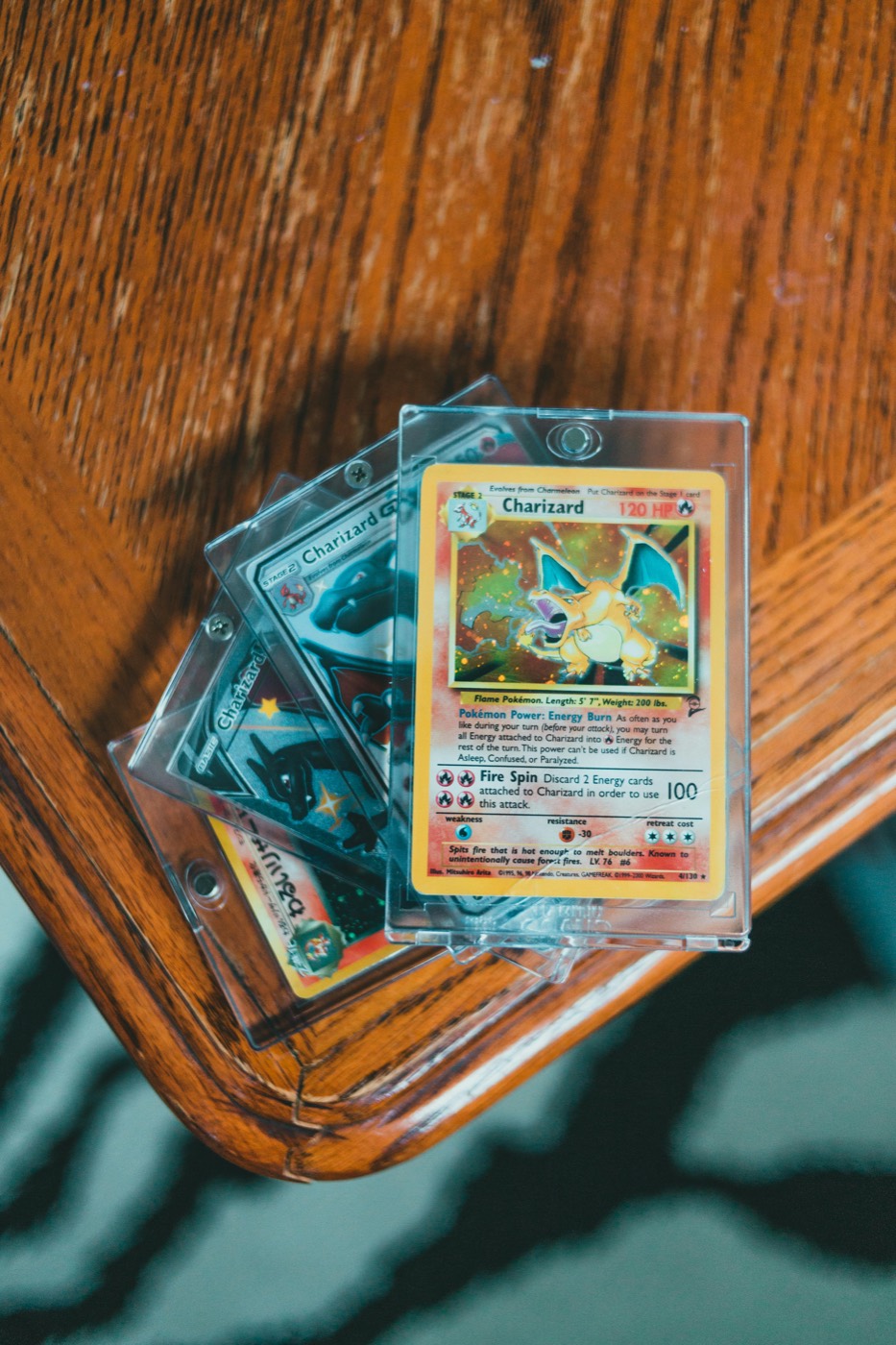
Humidity is a quiet collection risk
Pokemon cards are paper collectibles with foil layers, printed surfaces, and edges that react to the room around them. A card can look fine after a pack opening and still start to curl, wave, or feel soft if it spends enough time in a damp space.
Humidity damage is frustrating because it usually happens slowly. By the time a binder page looks wavy or a holo card has curled, the collection has already been stored in the wrong environment for a while.
Watch for early humidity signs
You do not need lab equipment to notice a risky setup. Look for small signals before they become permanent damage:
- Foil cards curling more than normal
- Binder pages feeling soft or wavy
- Sleeves sticking together
- Card edges looking raised or fuzzy
- Sealed boxes feeling less crisp
- A musty smell around storage bins or shelves
One sign does not always mean disaster, but repeated signs mean the storage environment needs attention.
Store cards in a stable room, not the most convenient room
The best Pokemon card storage room is boring: stable temperature, moderate humidity, low sunlight, and low traffic. Bedrooms, closets, and interior shelves are usually safer than garages, basements, attics, cars, or window ledges.
The goal is not to create a museum. The goal is to avoid swings. A room that moves from damp to hot to cold will stress cards more than a normal living space that stays consistent.
If your broader setup needs work, start with how to store Pokemon cards and then treat humidity as the environmental layer.
Sleeves help, but they are not a full humidity plan
Sleeves reduce handling wear and friction, but they do not make cards waterproof. A sleeved card can still curl inside a binder if the surrounding air is damp. For cards that matter, use layers:
- Inner sleeve or penny sleeve for the card surface
- Binder page, semi-rigid holder, or top loader for structure
- Storage box or shelf location that avoids damp air
- Periodic inspection so problems are caught early
For higher-value cards, the protection decision should match the card's role. A binder copy, grading candidate, and trade copy do not need identical storage, but none of them should live in a damp pile.
Be careful with sealed products
Humidity is not only a raw-card problem. Booster boxes, ETBs, tins, blister packs, and display pieces can all lose appeal if packaging gets soft, warped, faded, or musty. Sealed collectors should track product condition separately from card value.
Keep sealed products off floors, away from exterior walls, and out of rooms where seasonal moisture changes are obvious. If boxes are stacked, make sure weight and humidity are not working together to crush corners or bow panels.
The sealed product condition guide is a useful companion if sealed inventory is part of your collection.
Do not overcorrect with risky fixes
When collectors notice curling, they sometimes try aggressive fixes: heat, heavy compression, direct sunlight, or improvised moisture tricks. Those can create new damage. If a card is meaningful, avoid experiments that could dent, fade, or flatten it unnaturally.
A better response is to improve storage conditions, document the card honestly, and monitor whether the curl stabilizes. For cards you might sell or grade, condition notes matter more than pretending the issue never happened.
Add humidity checks to collection reviews
Humidity control works best when it becomes part of normal inventory maintenance. During a monthly or quarterly review, open a few binders, check sealed products, and look at foil cards from different storage locations.
If one shelf has more curling than another, the location is telling you something. Move important cards first, then decide whether boxes, binders, or room conditions need an upgrade.
PokeSnap helps with the inventory side, but the physical card still needs a physical check. Pair the app record with a short condition note when humidity changes what you see.
The simple rule
To protect Pokemon cards from humidity, keep storage stable, avoid damp rooms, use sleeves and rigid support where appropriate, and inspect cards before small warping becomes collection-wide damage. The best humidity plan is simple, consistent, and checked before the next problem is obvious.