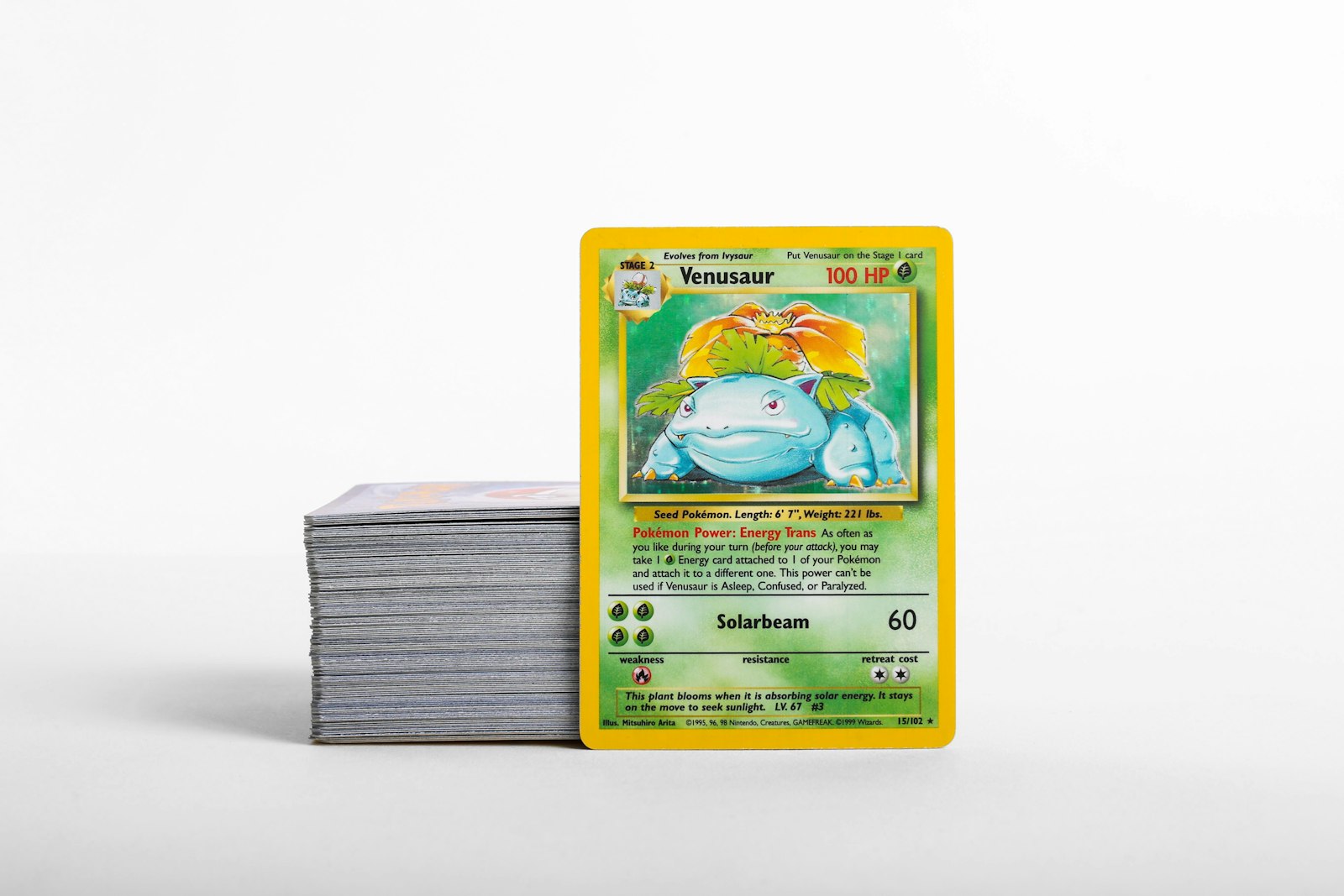
How to Audit Raw Pokemon Cards Before Sleeve, Toploader, or Binder Routing
Storing a raw Pokemon card without a quick physical audit is one of the easiest ways to accidentally degrade its condition over time. A card placed into a tight binder pocket with micro-debris on the back will develop scratches every time the page turns. Similarly, jamming a thick holofoil card into a rigid binder without a proper sleeve can chip corner foil and rub the edges raw.
To build a safe collection, serious collectors use a condition audit to route each card into the correct protection format—balancing accessibility, safety, and physical space.
1. The Pre-Storage Visual Inspection Routine
Before placing a new pickup into your storage setup, inspect the card under direct, angled light. Avoid inspecting cards under soft ambient room lighting, as low light easily hides micro-scratches, subtle print lines, and faint surface haze.
- Surface Check: Tilt the card at a 45-degree angle under a bright LED light to reveal light surface scratches, dull silvering, or factory oil residue.
- Corner Audit: Examine all four corners on both the front and back for subtle dings, soft rounding, or tiny white specs.
- Edge Tracking: Look along the back blue borders. Edge whitening often starts as faint specks that expand if rubbed against rough storage sleeves.
Catching micro-flaws during intake ensures you do not force a vulnerable card into gear that will worsen the damage.
2. Choosing the Right Sleeve Type
Not all protective sleeves serve the same purpose. Matching the sleeve to the physical condition and storage vehicle prevents physical friction.
- Standard Penny Sleeves: Best for general storage, bulk hits, and cards placed into semi-rigid holders or toploaders. They fit loosely, eliminating friction against edges during insertion.
- Perfect Fit Sleeves: Designed for double-sleeving. Use these carefully; if a card has pre-existing edge whitening, forcing a tight perfect fit can fold back loose paper fibers.
- Matte Deck Sleeves: Useful for playables and casual binders, but textured backs can obscure card details when reviewing collection condition later.
When inserting a card into any sleeve, gently pinch the sides of the sleeve to create an opening rather than pushing the top corner directly against the plastic edge.
3. Toploader vs. Binder Routing Decisions
Once sleeved, each card needs a long-term storage format based on its physical stability and role in your collection.
- Side-Loading Binders: Ideal for set tracking, illustration rares, and mid-tier binder cards. Side-loading pockets prevent dust from falling directly onto the top edge of the card. Always use binder pages with soft, archival-safe backing.
- Rigid Toploaders: Essential for higher-value hits, raw cards prone to foil curl, or singles prepared for trade events. Toploaders prevent bending from external pressure.
- Magnetic One-Touch Cases: Great for display pieces, but raw cards inside must be protected with a soft penny sleeve overlay or fitted recessed cutouts so the card surface does not chatter against the hard acrylic wall.
If you are building a structured binder setup, cataloging your cards with a reliable Pokemon card scanner helps you trace missing slots without constantly taking cards out of their pockets.
4. Managing Foil Curl and Atmospheric Hazards
Modern full arts and holofoil cards react heavily to atmospheric humidity. Moist air expands the cardboard backing while the foil layer remains rigid, causing the card to bow inward or outward.
To keep raw foils flat and secure:
- Store cards in a climate-controlled room away from exterior walls, basements, or direct sunlight.
- Use silica gel packets inside sealed storage bins to absorb ambient moisture.
- Double-sleeve cards that stay in binders to create a double barrier against humidity swings.
If you manage a large inventory across multiple storage boxes, using a digital Pokemon collection app allows you to keep track of card condition notes and physical box locations without pulling open every container.
5. Cleaning and Refreshing Storage Supplies
Protection gear degrades over time. Polypropylene sleeves absorb dust, skin oils, and airborne particulate, turning cloudy after months of handling.
Set up a routine inspection schedule:
- Replace foggy or scratched penny sleeves immediately.
- Wipe down the exterior of toploaders before placing them into storage boxes.
- Check ring binders for page sagging; store binders upright like books rather than stacking them flat, which causes bottom pages to warp under heavy weight.
Before listing or trading singles, verify recent market comps using a fast Pokemon card price checker so you know which pieces justify higher-tier hard cases or dedicated binder pages.
Keep Your Physical Collection and Digital Inventory Safe
Condition auditing and proper storage routing are essential habits for long-term collection preservation. By matching physical wear to the right sleeve, binder, or hard case, you keep your raw cards protected against preventable damage.
To streamline your collection management, download PokeSnap. Scan raw singles in seconds, organize cards by condition and binder location, and track your complete inventory with real-time accuracy straight from your phone.