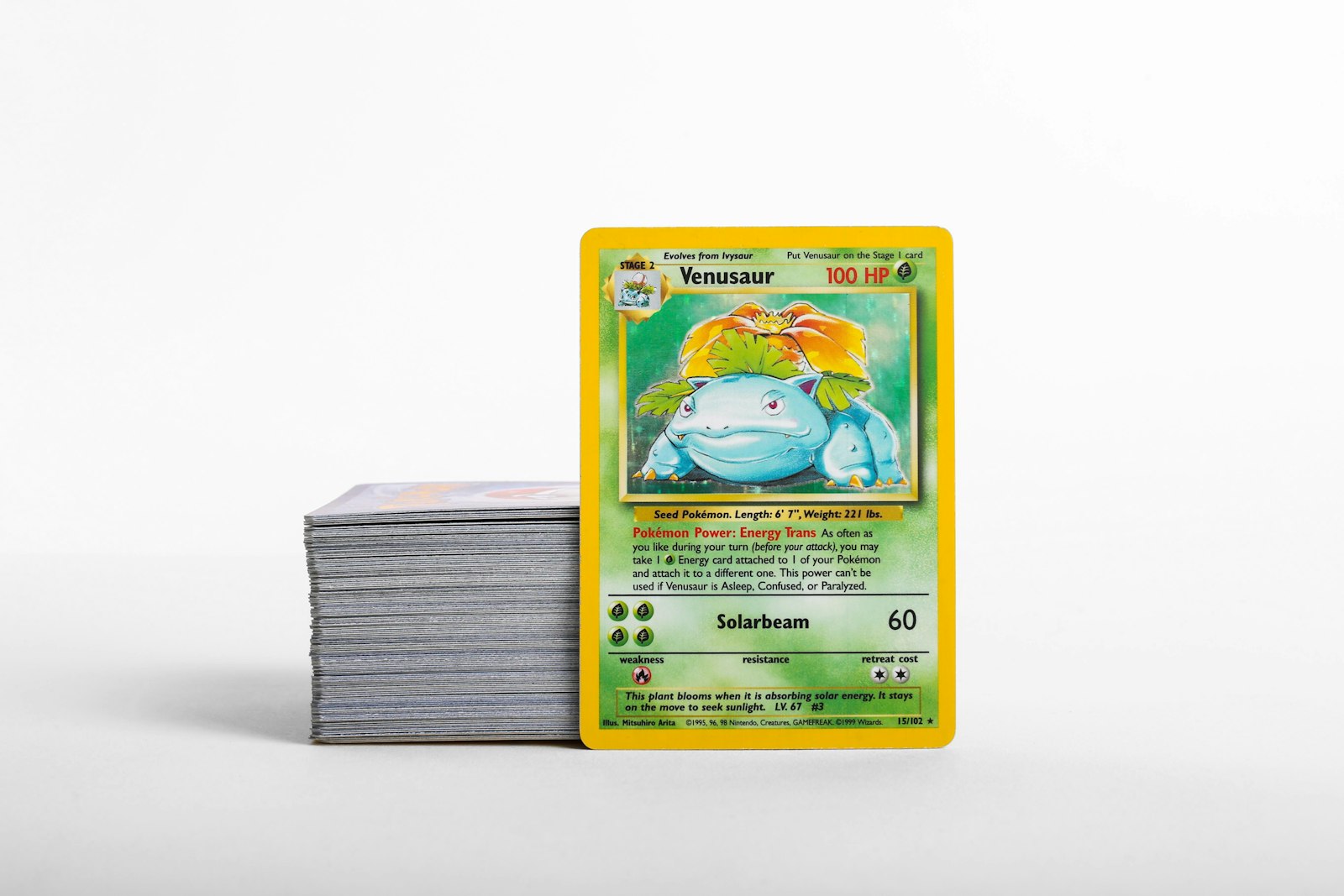
Setting up your Pokemon card storage isn't just about buying the prettiest binder or the thickest plastic cases. It is about matching the physical condition, rarity, and vulnerability of each card to the exact level of protection it requires.
Over-protecting common cards wastes your budget and physical shelf space, while under-protecting high-value hits can permanently degrade their condition, tanking their long-term value. A single scratch or a bent corner can drop a card's condition from Near Mint to Lightly Played, costing you a significant percentage of its market value. To prevent these avoidable losses, you need a systematic approach to matching card condition with the right protective storage.
1. The Core Link Between Card Condition and Protection Levels
Every collector should establish a clear hierarchy for their inventory. If you treat a rare vintage card the same way you treat a modern bulk common, your collection's overall condition will suffer. Physical wear is cumulative; minor friction, dust, and humidity work slowly but constantly against raw cardboard.
To build a smart protection strategy, divide your collection into three distinct tiers:
- Tier 1 (Premium Protection): Near Mint or Mint condition cards, secret rares, ultra rares, and high-value vintage singles. These require individual, rigid barriers to prevent any physical contact or bending.
- Tier 2 (Secure Binder Protection): Mid-range holos, reverse holos, lightly played vintage cards, and complete set runs. These thrive in high-quality binders that allow for easy viewing while keeping dust out.
- Tier 3 (Bulk Storage): Commons, uncommons, and heavily played cards. These are stored in volume, requiring space-efficient, acid-free boxes that prevent sliding and edge wear.
2. Assessing Your Cards Before Boxing Them Up
Before you put any card into a sleeve, binder, or storage box, you must perform a quick physical inspection. Trapping dirt, hard dust particles, or moisture inside a protective sleeve can actually cause more damage over time as the card is handled or compressed.
Always work on a clean, flat surface, preferably on a soft playmat, and wash your hands thoroughly to remove natural skin oils. Look closely at the surface, edges, and corners of the card under a strong, direct light source.
If you are sorting through a large stack of fresh pulls or recent trades and aren't sure which variant you have, using a reliable Pokemon card scanner can help you identify the exact set, number, and print version instantly. This ensures you do not accidentally toss a rare parallel foil into a bulk box where it might get scuffed.
3. Tier 1 Protection: The Standards for High-Value Hits
Cards that are in pristine condition or carry substantial collector interest deserve premium housing. To justify the cost of high-end protective gear, you can quickly check a card's current market standing using a Pokemon card price checker before deciding on its storage setup.
For these top-tier cards, follow the golden rule of individual protection:
- The Penny Sleeve: Always place the card into a standard, acid-free penny sleeve first. This soft plastic layer protects the delicate foil surface from micro-scratches. Slide the card in gently; forcing it can ding a corner.
- The Top Loader: Insert the sleeved card into a rigid plastic top loader. The top loader absorbs bending forces and impacts. Always insert the card with the sleeve opening facing the bottom of the top loader to create a dust-resistant seal.
- Magnetic One-Touch Cases: For your absolute favorite cards, a magnetic one-touch case provides a beautiful display and highly rigid protection. Make sure to use a perfect-fit sleeve designed for magnetic cases to prevent the card from shifting slightly inside the hard plastic shell.
4. Tier 2 Protection: Handling Binder-Era Cards
Binders are the heart of most collections, but choosing the wrong binder can ruin your cards. Traditional three-ring binders with cheap plastic pages are notorious for causing "ring denting," where the metal rings press into the cards closest to the spine when the binder is closed.
To protect your binder-level cards:
- Use Ringless Binders: Opt for strap-closed or zippered binders with built-in, side-loading pages. Side-loading pockets prevent cards from falling out of the top when the binder is carried.
- Double-Sleeving: For added security against humidity and dust, double-sleeve your binder cards. First, slide the card into a perfect-fit sleeve from the top down. Then, slide it into a standard deck protector sleeve from the bottom up. This seals the card on all four sides before it goes into the binder pocket.
- Avoid Overstuffing: Never force multiple cards into a single binder pocket. This stretches the plastic, clouds the viewing window, and puts unnecessary pressure on the card surfaces, which can lead to warping.
5. Tier 3 Protection: Managing Bulk and Played Cards
Not every card needs to be double-sleeved or placed in a top loader. Doing so for thousands of common cards is expensive and takes up massive amounts of physical space. However, bulk cards still need proper storage to prevent them from turning into a warped, unsellable block of cardboard.
Use sturdy, acid-free cardboard storage boxes (often called BCW boxes) or heavy-duty plastic bins designed specifically for trading cards. When packing these boxes, keep the cards upright and snug. If a row is only partially filled, use foam blocks or plastic dividers as spacers to prevent the cards from sliding, falling over, and bending along the bottom edges. Avoid using rubber bands, paper clips, or sandwich bags, as these apply uneven pressure and contain plastics that degrade and damage cards over time.
6. Environmental Risks to Watch For in Your Storage Area
Even the best sleeves and binders cannot protect your collection if your storage environment is hostile. Paper and foil react quickly to the air around them. Keep your collection stored in a climate-controlled room of your home, avoiding damp basements, uninsulated attics, or areas near drafty windows.
| Environmental Threat | Damage Caused | Prevention Strategy | | :--- | :--- | :--- | | High Humidity | Causes foil cards to bend (foil curl) and degrades cardboard fibers. | Keep rooms between 35% and 50% humidity; use silica gel packs in storage boxes. | | Extreme Heat | Can cause binder pages to warp and stick to card surfaces. | Store cards in temperature-controlled living areas, never in a hot garage or attic. | | UV/Direct Sunlight | Fades ink colors and weakens plastic protection over time. | Keep binders closed and store boxes in dark closets or away from direct window light. | | Physical Compression | Causes surface indentations and edge wear. | Stack boxes flat, never store binders horizontally under heavy items, and avoid tight boxes. |
7. Organizing Your Protected Inventory digitally
Once your cards are safely sleeved, bindered, and boxed, finding a specific card can become a major chore. Constantly flipping through physical binder pages or rummaging through heavy cardboard boxes increases the risk of dropping a card or scuffing an edge.
Using a dedicated Pokemon collection app allows you to keep a perfect digital mirror of your physical inventory. By scanning your cards as you sort them into their respective protection tiers, you can record exactly where each card lives (e.g., "Binder 1, Page 4" or "Bulk Box A"). This keeps your physical cards safe in their protective housings while allowing you to browse, search, and share your collection on your phone anytime, risk-free.
With PokeSnap, organizing your collection is simple. Scan your cards instantly, check their details, and keep a clean digital record of your entire collection. Download PokeSnap today on iOS or Android to start tracking your inventory with ease.