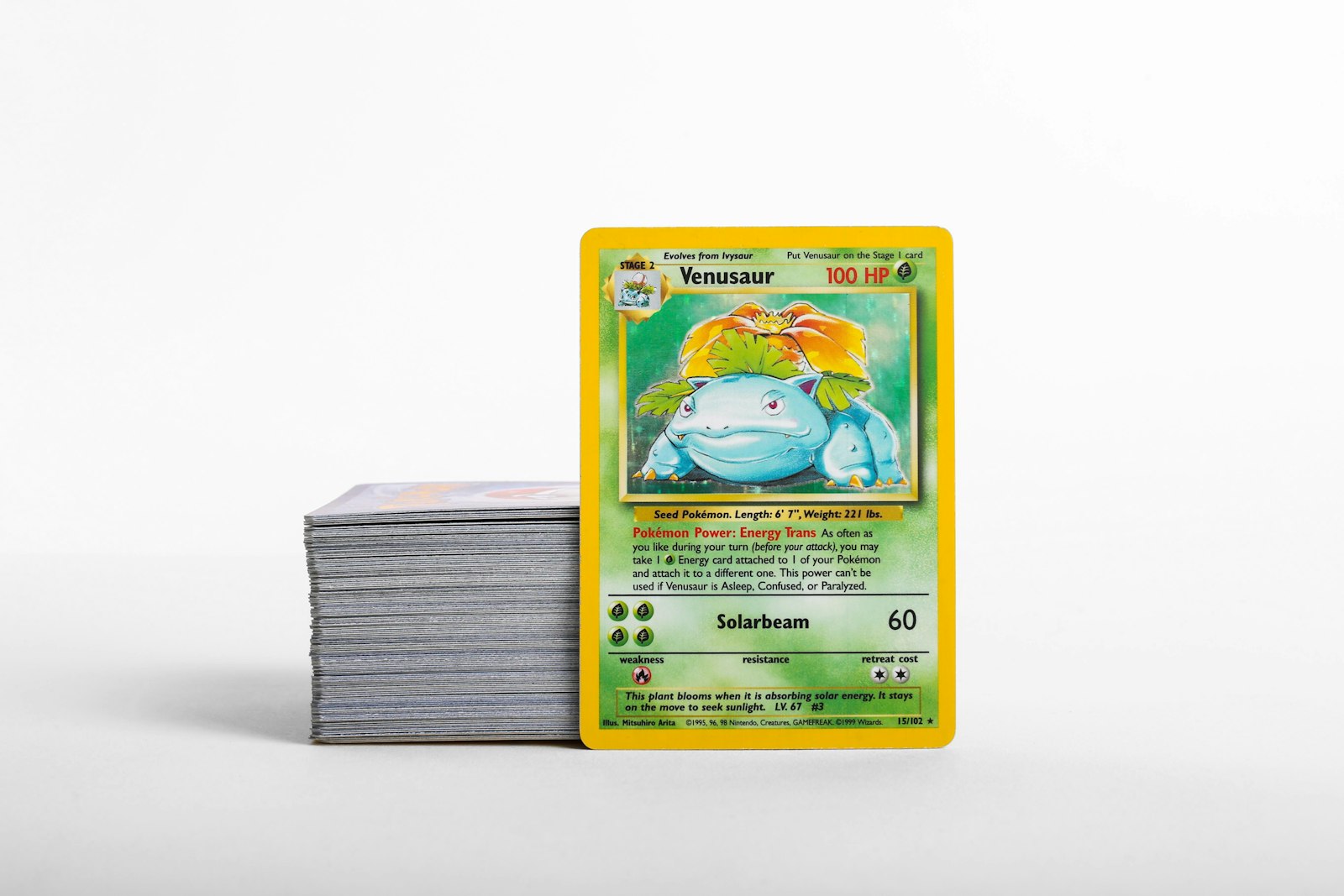
For dedicated collectors, protecting a growing collection is about more than just buying random binders or throwing cards into plastic bins. Without a systematic approach, valuable cards can easily suffer edge wear, surface scratches, or warping.
To prevent avoidable wear and preserve your collection, you need a clear Pokemon card protection protocol. This protocol is a structured workflow that matches a card's physical condition and rarity to the appropriate storage tier—such as bulk boxes, side-loading binders, or rigid toploaders. By standardizing your storage decisions, you ensure that every card receives the exact level of defense it requires without overspending on premium gear for low-value cards.
Step 1: Evaluate Raw Card Condition First
Before you assign any card to a storage format, you must assess its physical state. Even a pack-fresh card can have minor factory defects, such as print lines or rough edges, that dictate how carefully it must be handled.
When inspecting a card, look for the following four key areas of wear:
- Corners: Check for minor fraying, splitting, or white spots on both the front and back.
- Edges: Look along the borders for silvering (on older cards) or whitening (on newer cards) caused by friction.
- Surface: Hold the card at an angle under a bright, direct light source to spot hairline scratches, fingerprints, dull spots, or grease.
- Centering: Note if the borders are visibly uneven. While centering doesn't affect physical protection needs, it helps determine the card's overall priority in your collection.
To keep this step efficient, you can use a digital tool like a Pokemon card scanner to quickly identify and catalog the card in your inventory. Once logged, you can physically inspect the card and document any wear directly in your digital records before moving it to its designated storage tier.
The Three-Tier Storage Framework
To keep your storage organized and cost-effective, categorize your cards into a three-tier protection framework based on their condition, rarity, and personal value.
| Storage Tier | Card Types | Recommended Protection Gear | Primary Goal | | :--- | :--- | :--- | :--- | | Tier 1: Utility & Bulk | Commons, uncommons, non-holo rares, worn duplicates | Acid-free cardboard or plastic storage boxes | Space-saving, dust prevention | | Tier 2: Binder Collection | Holos, reverse holos, mid-range ultra rares, set filler | Penny sleeves, side-loading pocket binders with zippers | Easy browsing, scratch protection | | Tier 3: Premium Display/Hold | High-value secret rares, alternate arts, pristine vintage | Perfect-fit sleeves, standard penny sleeves, rigid toploaders | Maximum physical defense, rigidity |
Using this framework prevents "binder bloating"—the habit of putting every single pull into a binder, which eventually stretches the pockets and damages the cards.
Choosing the Right Sleeves and Binders
Not all sleeves and binders are created equal. Using the wrong materials can actually cause damage over time. When selecting your protective gear, keep these standards in mind:
#### Sleeves: The First Line of Defense Always use acid-free, PVC-free polypropylene sleeves. PVC (polyvinyl chloride) degrades over time, releasing acidic gases that can discolor cards and make the surface sticky.
- Penny Sleeves: Loose-fitting and inexpensive, these are excellent for cards heading into toploaders or bulk boxes.
- Perfect-Fit Sleeves: Designed to hug the card tightly. These are ideal for double-sleeving (inserting a perfect-fit sleeve top-down, then placing it bottom-up into a standard deck protector or penny sleeve) to seal out air and moisture.
- Deck Protectors: Matte or gloss back sleeves that offer rigid structure. Excellent for binder storage.
#### Binders: Avoiding the "O-Ring" Trap Never use cheap, rigid three-ring binders with metal O-rings. When the binder is closed, the rings can press directly into the inner columns of cards, leaving permanent crescent-shaped dents. Instead, choose strap-enclosed or zippered binders with built-in, side-loading pages. Side-loading pockets prevent cards from sliding out of the top when the binder is carried or stored vertically.
Environmental Protection: Humidity and Light
Your physical storage decisions must also account for environmental hazards. Paper and foil react to the air around them, making climate control a vital part of your protocol.
#### Managing Humidity Foil cards are highly susceptible to "foil curl" or warping. This happens because the paper backing absorbs atmospheric moisture and expands, while the metallic foil layer does not.
- Keep your storage area at a stable relative humidity (RH) of 40% to 50%.
- If storing cards in plastic bins, toss in a few food-safe silica gel packets to absorb excess moisture.
#### Guarding Against UV Light Direct sunlight and harsh fluorescent indoor lighting will fade ink over time, permanently dulling the vibrant colors of your cards. Store your binders and boxes in a dark closet, drawer, or climate-controlled room. If you display cards, use UV-resistant cases and keep them far away from windows.
Streamlining Your Intake Routine
When you open booster packs or return home from a trade event, it is easy for cards to pile up on your desk. A messy intake process often leads to damaged edges or misplaced hits. To prevent this, establish a quick, zero-friction intake routine:
- Clear the Workspace: Use a clean, flat surface free of food, drinks, and dust.
- Scan and Log: Use a Pokemon collection app to scan each card. This instantly adds the card to your digital inventory, giving you a clear record of what you just acquired.
- Inspect and Categorize: Check the card's condition. Determine if it belongs in Tier 1, Tier 2, or Tier 3.
- Sleeve Immediately: Apply the appropriate sleeve before the card touches any hard surface or is stacked with other cards.
- File Away: Place the sleeved card into its designated binder, toploader box, or bulk container. Do not leave cards sitting in temporary stacks on your desk.
By digitizing your inventory during this process, you can easily track which cards are safely tucked away in binders and which ones are stored in bulk boxes without having to physically flip through your storage.
Maintaining Your Setup with Storage Audits
Protection is not a one-time event. Over time, plastic sleeves can become scratched, dirty, or cloudy, and binder pockets can stretch out. Make it a habit to audit your storage setup periodically.
Check your high-value binders at least once a year. Look for signs of dust buildup inside the pockets, warping on foil cards, or sleeves that have become sticky. Replacing worn sleeves with fresh, clean polypropylene protectors ensures your cards remain pristine for years to come. For more collecting strategies, check out our blog to keep your collection organized and safe.
Protect and Track Your Collection with PokeSnap
Establishing a physical protection protocol is only half the battle; keeping your digital records in sync is the other. With PokeSnap, you can instantly scan, identify, and catalog your cards right after you open them. By keeping an organized digital inventory, you'll always know exactly which cards are protected in your premium binders and which ones are waiting to be sorted. Download PokeSnap today on iOS or Android to simplify your storage workflow!