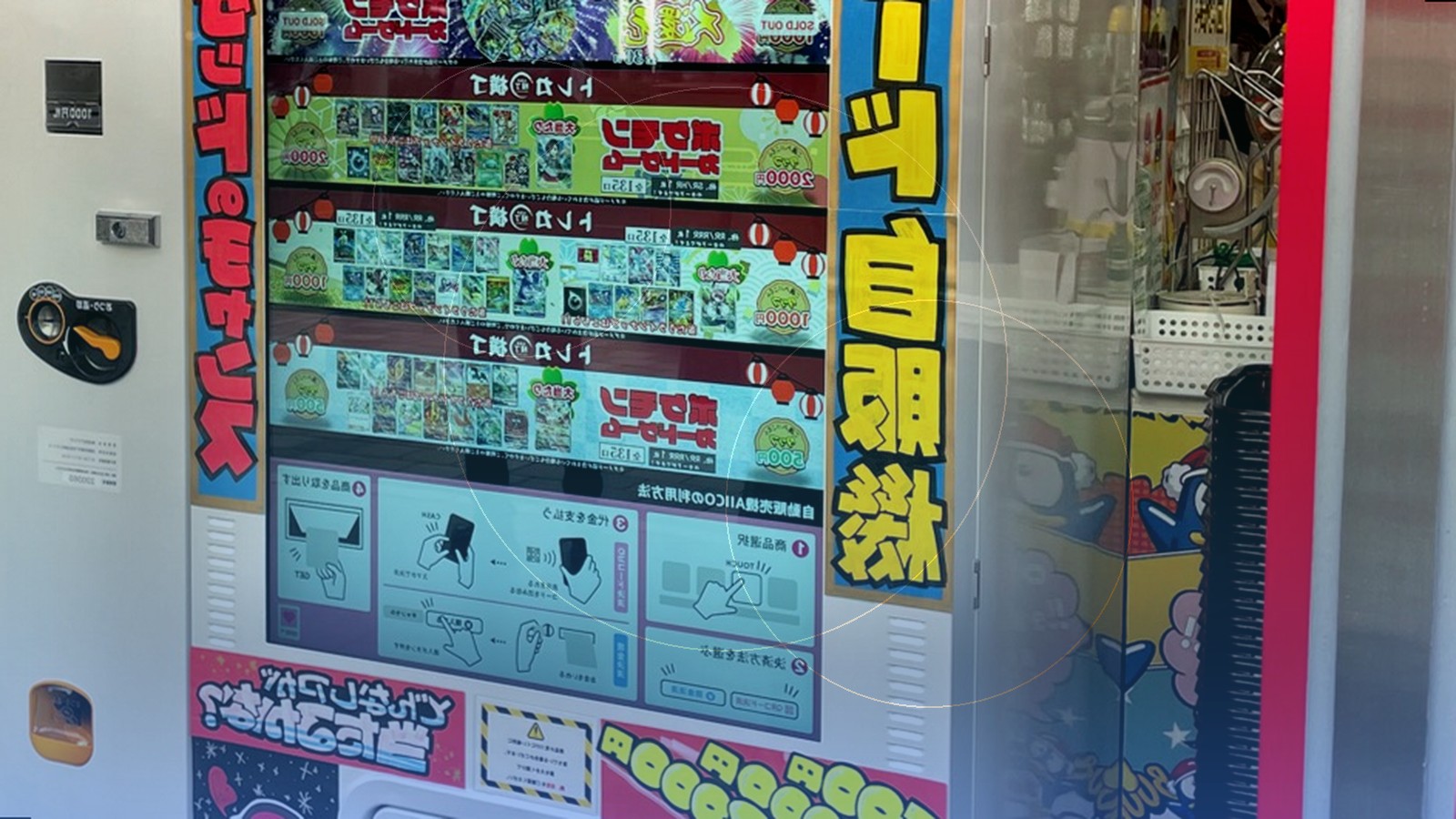
Walking up to a vendor table at a card show or opening a trade binder at a local meetup can quickly turn chaotic if you evaluate card values on the spot. Spontaneous decisions often lead to paying premium prices for lightly played copies or trading away high-demand hits for under-market value. Establishing firm buy and trade thresholds before negotiating gives you clear boundaries, eliminates emotional guesswork, and ensures every deal fits your overall collecting budget.
Smart pricing research is not about timing the market down to the exact dollar. It is about understanding price ranges, condition discounts, and fair trade margins so you can act with confidence when a realistic opportunity appears.
Setting Baseline Market References Beyond Single Listings
Before setting a maximum offer or trade target, you must establish an accurate baseline market reference. Relying on a single online listing or an active asking price often distorts true card value. Sellers frequently post optimistic numbers, while unverified completed sales may reflect outdated trends.
To build a dependable baseline, look at recently completed raw sales across verified secondary marketplaces. Pay attention to the frequency of completed sales rather than isolated high or low outliers. Using a dedicated Pokemon card price checker helps aggregate historical comp data, giving you a balanced median price rather than a skewed snapshot.
- Ignore active asking prices: Focus strictly on completed, paid sales to establish real baseline values.
- Identify the median price: Calculate the midpoint of the last 5 to 10 verified sales for identical condition copies.
- Filter out statistical outliers: Disregard abnormally cheap sales caused by damaged copies or inflated emergency listings.
Establishing Condition-Based Price Ceilings
A card's baseline market value applies to copies in clean, Near Mint (NM) condition. However, raw singles traded at shows or local shops frequently carry minor surface wear, soft corners, or slight edge whitening. Paying full NM price for a Lightly Played (LP) or Moderately Played (MP) card quietly erodes your trade value over time.
Establish explicit price ceilings based on physical wear tiers before you start inspecting cards. If your target NM price for a chase single is $50, decide ahead of time what discount percentage you require if the copy shows edge wear or micro-scratches.
- Near Mint (NM): 100% of baseline median market value.
- Lightly Played (LP): 80%–85% of NM baseline, accounting for minor whitening or light surface friction.
- Moderately Played (MP): 60%–70% of NM baseline, applied when back wear or corner soft spots are clearly visible.
- Heavily Played (HP) / Damaged: 40% or less of NM baseline, reserved for cards with heavy creases, dents, or foil peel.
Running your raw singles through a Pokemon card scanner during your initial intake routine makes it easy to catalog card details and link baseline market estimates directly to your condition notes.
Calculating Cash and Trade Valuation Margins
Trading cards is rarely a straight 1-to-1 swap of equal secondary values. Market demand, card liquidity, and personal set priorities influence how fair a trade offer actually is. Establishing a trade margin checklist prevents you from overpaying when swapping binder extras for top chase cards.
When trading high-liquidity staples or popular modern alt arts for niche singles, aim for equal market value swaps. However, if you are trading multiple low-value bulk holos upward into a single high-value hit, expect to offer a 10% to 15% trade premium to compensate the other party for consolidating value.
Trade Offer Formula:
(Target Card Baseline Value x Condition Multiplier)
  = Total Required Trade Value

Up-Trading Adjustment:
If trading 4+ low-value cards for 1 high-value card:
Total Required Trade Value x 1.10 (10% Trade Premium)
Setting these math rules beforehand removes emotion from the trade table. If a potential partner requests $70 worth of your binder cards for a $50 single without a valid consolidation premium, your pre-set threshold makes it simple to politely decline.
Accounting for Language and Print Variants
Comparing raw English singles directly against Japanese prints is one of the most common pricing research mistakes. Print run sizes, texture quality, and set release timing create distinct valuation structures between English and Japanese releases.
Japanese chase cards often feature different foil patterns, silver borders, and varying pull rates compared to their English counterparts. If you plan to scan Japanese Pokemon cards to prepare target lists, always verify comps against Japanese completed sales records rather than applying a blanket currency conversion to English listings.
- Check language-specific set codes: Ensure card numbers and promo stamps match exact regional printings.
- Track language demand differences: High-value Japanese illustration rares do not always move at identical price ratios to English versions.
- Separate sealed promos from binder singles: Exclusive promo variants carry unique baseline values that differ from main expansion set prints.
Building a Mobile Target List for Live Negotiating
Having research stored on loose scraps of paper or scattered across browser tabs creates friction during fast-paced local trade meets. Organizing your price targets into a structured digital wantlist lets you check values, verify set numbers, and track your collecting budget in real time.
A complete target reference list should include four key data points for every card on your radar:
- Exact Set & Card Number: Prevents confusing standard printings with secret rares or promo variants.
- Target NM Baseline Value: Your researched median market reference price.
- Maximum Walk-Away Price: Your absolute cash ceiling for a clean copy.
- Acceptable Trade Range: The minimum and maximum trade value you are willing to offer from your binder.
Managing your target list inside a dedicated Pokemon collection app keeps your binder gaps, duplicate trade stacks, and price references synchronized in one portable tool.
Practical Deal Scenarios: Knowing When to Walk Away
Clear thresholds give you full control over negotiations. When discussing a buy or swap, present your price ceiling calmly backed by your researched comps. If a seller insists on pricing a raw single above market ceiling due to hypothetical grading potential, stick firmly to your raw condition thresholds.
If a trade partner requests an unreasonable cash top-up or refuses to adjust for visible edge wear, recognize that walking away preserves your budget for better opportunities. The secondary market offers continuous liquidity for modern singles; overpaying out of impatience is rarely necessary.
Organize Your Target Lists and Collection with PokeSnap
Preparing for your next card show or trade meet is much easier when your inventory and price data are organized. PokeSnap helps collectors scan cards instantly, check baseline prices, log physical conditions, and keep track of binder gaps without spreadsheet hassle. Download PokeSnap today to bring clear, data-driven confidence to every Pokemon card buy and trade.