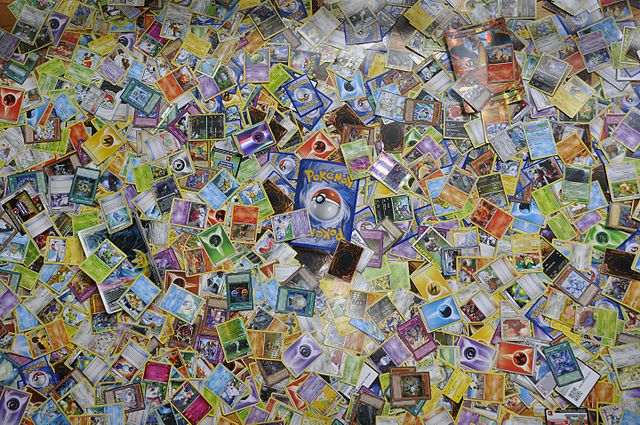
Missing cards are easier to fix when the list is trustworthy
Collectors usually waste money on duplicate buys before they truly run out of options. The issue is rarely motivation. It is visibility. If you do not know which cards are actually missing, every trade table, shop visit, and binder refresh becomes guesswork.
That is why the first job is not buying faster. It is building a missing-card view you can trust.
Start with exact card identity, not memory
Many “missing card” mistakes come from mixing similar printings together. A card name is not enough when promos, reverse holos, reprints, and language variants are involved. Before you mark something as owned or missing, confirm:
- set
- collector number
- language
- version or variant
If that step is slow, use the Pokemon card scanner first so the checklist starts from the exact card rather than from a rough guess.
Track owned cards and duplicates separately
Collectors who only keep a loose list of owned cards usually miss an important distinction: one copy closes the checklist gap, but extra copies still matter for trade, sale, and upgrade decisions. A stronger workflow keeps both ideas visible:
- which cards are already owned
- which cards are still missing
- which cards exist as duplicates
That is where how to track Pokemon card duplicates becomes useful, because duplicates are often the easiest way to fund or swap into the missing spots.
Use set progress to decide the next action
A missing-card list should not just sit there. It should tell you what to do next. Some collectors need the cheapest gaps first. Others want to target the hardest pulls before prices move. Once the list is clear, you can make smarter choices about:
- trades
- card show pickups
- online singles
- grading upgrades versus true gaps
If you are chasing completion more seriously, pair this with how to complete a Pokemon master set so the list reflects the version of completion you actually care about.
Scanning new pickups keeps the list honest
The fastest way to ruin a checklist is to delay updates until “later.” New pickups blend into piles, duplicates stop being obvious, and the same card gets bought again next week. A better habit is simple: scan or log cards as they enter the collection, then let the missing list update immediately.
That workflow gets stronger when your collection app and scanner live in the same system, because the gap list stays current without extra spreadsheet cleanup.
The simple rule
To check which Pokemon cards you are missing, confirm exact card identity, separate owned cards from duplicates, and update the checklist as soon as new cards enter the collection. The value is not the list itself. The value is being able to trust it before you spend money or make a trade.
If you want the missing-card workflow to stay fast, combine the scanner with the collection app and use the result before every buying session or binder meetup.