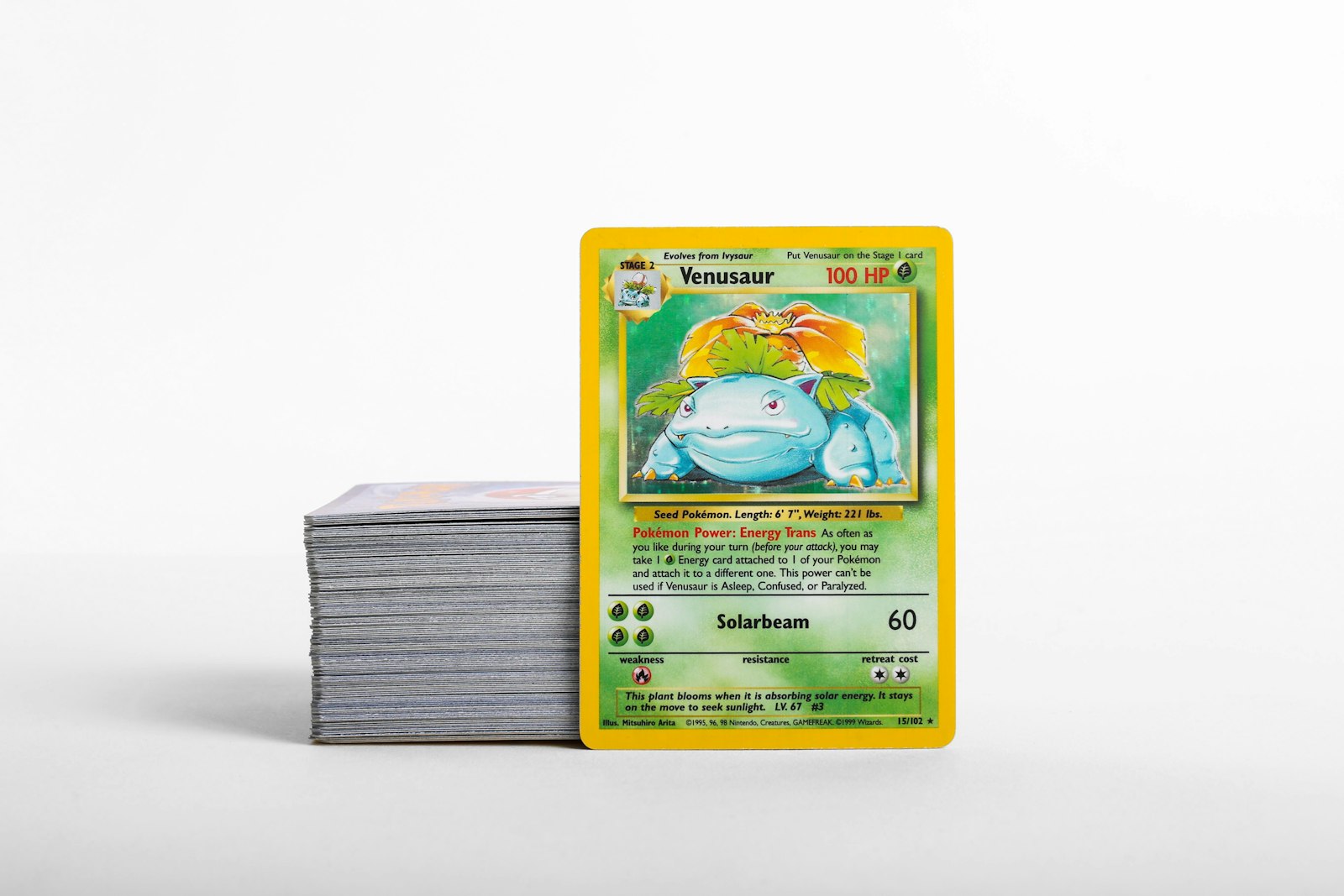
Every Pokemon collector eventually faces the same dilemma: a growing stack of raw cards and a desk covered in protective gear. If you protect every single card with a premium hard case, you will quickly run out of physical space and budget. If you throw your valuable hits into an open cardboard box, you risk turning pristine holographic surfaces into scratched, unsellable cardboard.
To preserve your collection without overspending, you need a structured protection system. By matching a card's condition, rarity, and market value to specific storage tiers, you can keep your collection safe, organized, and accessible.
Here is a practical, step-by-step framework for choosing the right protection and storage setup for your raw cards.
The Three Pillars of Storage Decisions
Before sorting your cards into binders or boxes, you must evaluate three primary factors. These pillars dictate exactly how much physical protection a card requires:
- Condition Vulnerability: Foil cards (holographics, ultra rares, and secret rares) are highly sensitive to humidity and air exposure, which cause them to curl. Non-foil commons and uncommons are more resilient but still vulnerable to edge wear and corner dings if handled frequently.
- Financial and Sentimental Value: A common card worth a few cents does not justify the physical footprint or cost of a rigid plastic case. A rare card worth significant money demands immediate, multi-layered protection.
- Accessibility Goals: Do you want to browse your cards regularly, or are you putting them away for long-term safekeeping? Binders are excellent for viewing, while storage boxes are better for compact preservation.
By categorizing your cards into distinct tiers based on these pillars, you can allocate your supplies efficiently.
Tier 1: Bulk, Commons, and Low-Value Uncommons
Best for: Standard non-foil cards, bulk trainer cards, and low-value duplicates.
Bulk cards make up the majority of most booster packs. While they do not require individual plastic cases, they still need to be protected from dust, bending, and rough handling.
- The Strategy: Group storage in dedicated cardboard or plastic deck boxes.
- The Gear: Standard archival-safe cardboard storage boxes (such as 800-count or 1,600-count boxes) or plastic storage bins designed specifically for trading cards.
- Best Practices:
- Keep cards standing upright. Laying cards flat in large stacks can cause the bottom cards to warp under the weight.
- Use plastic trading card dividers to keep sets separated and prevent cards from sliding around in half-empty boxes.
- Avoid using rubber bands, which compress card edges and can cause permanent creasing.
If you find a low-value card that has sentimental value or features artwork you love, there is no harm in sliding it into a standard penny sleeve before placing it in the bulk box. Otherwise, raw, unsleeved storage in a snug, dry box is perfectly safe for bulk.
Tier 2: Binders for Holos, Rares, and Set Progress
Best for: Holographic cards, reverse foils, mid-range rares, and cards you want to display.
Binders are the heart of any active collection. They allow you to appreciate the artwork and track your set completion progress. However, poor binder choices can actively damage your cards.
- The Strategy: Double-sleeved protection inside a side-loading binder.
- The Gear: A side-loading binder with built-in, padded black backing pages. Avoid three-ring binders with loose plastic pages; the metal rings can easily pinch and dent the inner margins of your cards (often referred to as "ring damage").
- Sleeving Technique: For binder storage, use a "double-sleeving" method. First, place the card inside a perfect-fit sleeve (inserted from the top down). Then, slide that sleeved card into a standard deck protector sleeve (inserted from the bottom up). This creates a dust-resistant, water-resistant seal around the card before it ever enters the binder pocket.
When choosing a binder, ensure it has an elastic strap or a zipper closure. This keeps the pages flat and prevents dust from settling inside the pockets while the binder sits on a shelf.
Tier 3: Toploaders and Semi-Rigids for High-Value Hits
Best for: Secret rares, vintage classics, high-value duplicates, and potential grading candidates.
When a card's value or personal importance crosses a certain threshold, binder pockets are no longer enough. You need rigid outer protection to prevent bending, surface scratching, and corner impact damage.
- The Strategy: Standard penny sleeve combined with a rigid outer shell.
- The Gear: Clear plastic toploaders (3" x 4") or semi-rigid card holders (often preferred by grading submission services).
- Sleeving Technique:
- Always place the card in a spacious penny sleeve before inserting it into a toploading or semi-rigid case. Inserting a raw, unsleeved card directly into hard plastic will scratch the delicate holographic surface.
- Use a small sticky tab on the back of the penny sleeve. This gives you a safe handle to pull the card out of the toploaders later without pinching the top edges of the card.
- Storage: Store your loaded cards upright in specialized toploader storage boxes. These boxes are slightly wider than standard bulk boxes to accommodate the extra plastic width.
Tier 4: Magnetic Cases for Crown Jewels
Best for: Your absolute favorite cards, expensive modern chase cards, and display-worthy centerpieces.
For the ultimate raw card presentation, magnetic cases (often called "one-touch" holders) offer incredible protection and a premium, glass-like display.
- The Strategy: Single-sleeved protection inside a recessed magnetic enclosure.
- The Gear: A 35-point magnetic card holder. Ensure the case features UV-blocking plastic to protect the card's ink from fading under indoor lighting.
- Important Warning: Not all magnetic cases are designed to fit sleeved cards. If you place a raw card inside a magnetic case without a sleeve, the card can shift and suffer edge chipping. Look for magnetic cases specifically designed to accommodate "perfect-fit" sleeves. Always ensure the card is perfectly seated in the recessed cavity before snapping the magnet shut to avoid pinching the corners.
Evaluating Raw Condition Before You Choose Your Gear
Before sealing a card away in a high-tier storage setup, it is vital to inspect its condition and record its details. Dirt, moisture, or fingerprints trapped inside a sleeve can degrade the card's surface over time.
- Clean Your Workspace: Lay down a clean, microfiber playmat. Wash and dry your hands thoroughly to remove natural skin oils, or wear powder-free nitrile gloves.
- Inspect the Surface: Use a bright, angled light source to check for dust, debris, or fingerprints. Use a clean, dry microfiber cloth to gently wipe away any loose particles from the surface.
- Log the Card Digitally: Before a card goes into a semi-rigid holder or a deep binder pocket, identify it and catalog it. Using a mobile Pokemon card scanner allows you to quickly capture the card's identity, set, and variant without handled wear.
- Check the Current Market Context: Use a Pokemon card price checker to determine if the card's current value justifies upgrading it from a Tier 2 binder to a Tier 3 toploader.
+-------------------------------------------------------------------------+
|                       PROTECTION DECISION MATRIX                        |
+-----------------------+------------------------+------------------------+
| Card Type             | Primary Storage        | Sleeve Setup           |
+-----------------------+------------------------+------------------------+
| Commons / Bulk        | Cardboard Bulk Box     | None (or Penny Sleeve) |
| Standard Holos / Rares| Side-Loading Binder    | Double-Sleeved         |
| Ultra Rares / Hits    | Toploader / Box        | Penny Sleeve + TL      |
| Top Chase / Grails    | Magnetic Case / Stand  | Perfect-Fit + Magnetic |
+-----------------------+------------------------+------------------------+
Environmental Controls: The Final Line of Defense
Even the best sleeves, binders, and plastic cases cannot save a collection stored in a hostile environment. Paper and plastic react directly to the room around them.
- Humidity Control: High humidity causes foil cards to curl (known as "foil cupping"). Keep your collection in a room with a stable relative humidity between 35% and 45%. If you store your cards in plastic storage bins, throw a few rechargeable silica gel packets inside to absorb excess moisture.
- Temperature Stability: Avoid storing your cards in unfinished basements, attics, or garages. Extreme temperature fluctuations can cause plastic sleeves to warp and stick to the card surfaces.
- Light Exposure: Direct sunlight and harsh UV rays will fade the vibrant inks on your cards over time. Keep your display stands and binders away from windows.
Keep Your Storage Strategy Organized with PokeSnap
Building a physical protection system is only half the battle; you also need to know where your protected cards live. Instead of flipping through dozens of binders or opening hundreds of toploaders to find a specific card, digitize your inventory.
With PokeSnap, you can scan your cards instantly, identify their exact printings, check their values, and manage your entire collection from your phone. By tracking your inventory in a dedicated Pokemon collection app, you can easily categorize your cards by their physical storage locations, making your collection safer, cleaner, and much easier to navigate. Download PokeSnap today to streamline your inventory and protect what you pull!