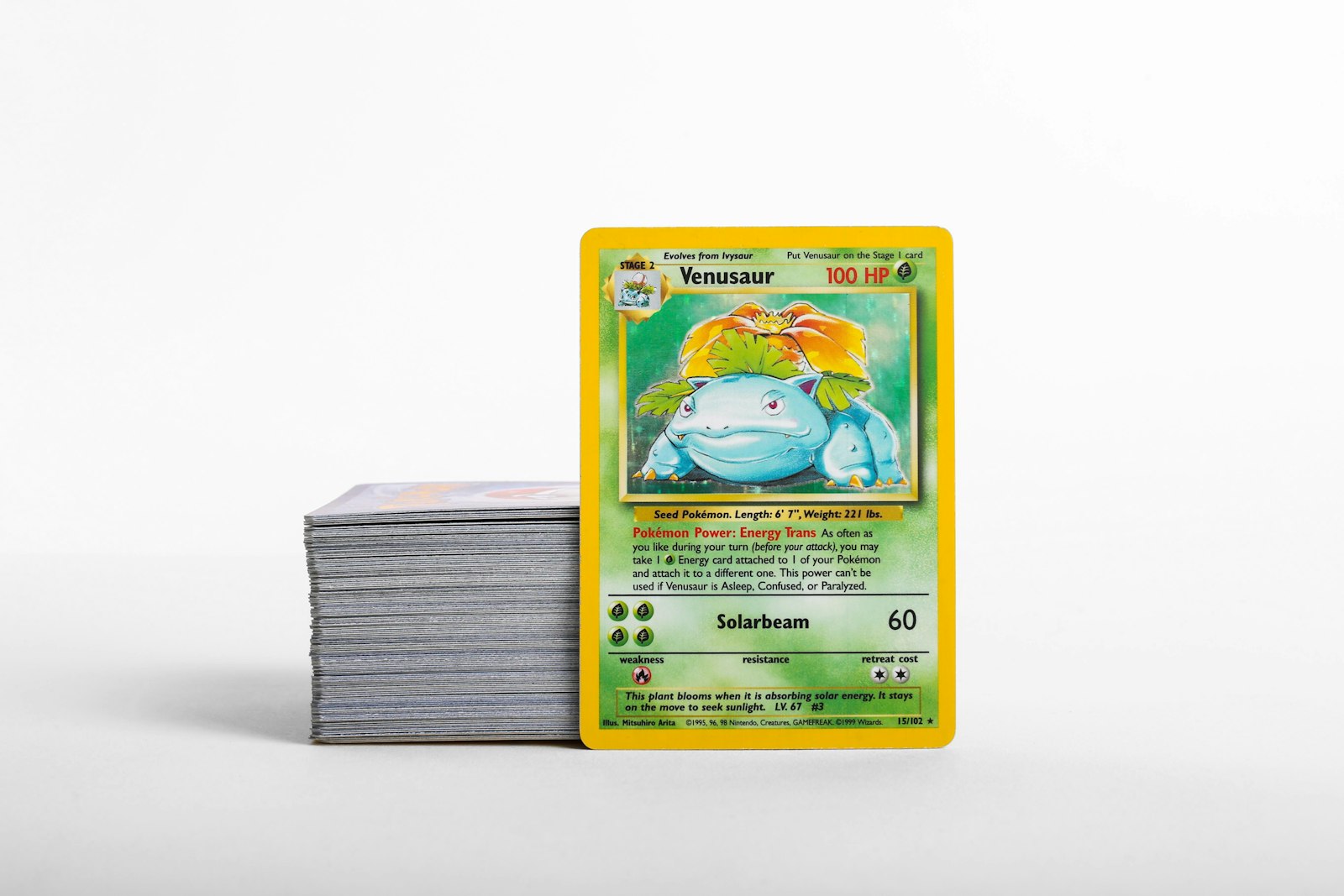
Every Pokemon collector faces the same physical bottleneck: a growing pile of raw cards and a finite amount of storage space. If you protect every single common card in a heavy-duty plastic holder, you will quickly run out of room and spend more on supplies than the cards themselves are worth. On the other hand, if you toss your valuable hits into unsorted cardboard boxes, they will slowly suffer from edge wear, surface scratches, and environmental warping.
To build a sustainable collection, you must learn how to match your physical protection strategy to each card's condition, rarity, and market value. By setting up a clear system of storage tiers, you can keep your best cards in pristine condition while keeping your bulk organized and accessible.
Here is a practical guide to assessing your cards, choosing the right storage gear, and keeping your collection safe without overspending.
The Three Levels of Card Protection
Before you start sorting your cards, you need to understand the different levels of protection available and the specific job each one performs. A good protection setup relies on a combination of these three formats:
- Sleeves (The First Line of Defense): Penny sleeves are loose, clear plastic pockets designed to prevent surface scratches and keep dust away from the card. Perfect-fit sleeves hug the card tightly and are excellent for double-sleeving. Standard deck-protector sleeves offer a stiffer back and are great for cards you handle frequently.
- Binders (The Display Layer): Binders are perfect for sets you want to look through and enjoy. For maximum safety, always choose binders with side-loading pockets, built-in fabric backing behind the pockets, and a zipper closure. Avoid traditional three-ring binders with metal rings, as the rings can easily pinch and crease the inner column of cards.
- Hard Cases (The Heavy-Duty Layer): Toploaders and semi-rigid holders (like Cardboard Gold) protect cards from bending, corner impacts, and severe handling. Magnetic one-touch cases offer premium display aesthetics and rigid protection, though they require a sleeve-friendly fit to prevent the card from moving inside the hard plastic.
Assessing Condition: Spotting Flaws That Demand Better Protection
To decide which protection level a card deserves, you must first inspect its physical condition. Minor flaws can worsen over time if a card is stored incorrectly. When evaluating raw cards, look for these key indicators:
- Surface Scratches and Scuffs: Holographic cards are highly sensitive to surface wear. If a card has a flawless, scratch-free surface, it needs immediate protection in a penny sleeve to prevent friction damage.
- Edge Whitening and Silvering: The back edges of modern cards often show tiny white spots where the paper was cut. If a card has clean, dark blue edges with zero whitening, it is a prime candidate for a toploader or a dedicated binder slot to prevent further wear.
- Foil Curling (Warping): Holographic foil layers react to humidity faster than the paper backing, causing cards to bend or curl. Double-sleeving or placing warped cards in tight binder pockets can help flatten them and prevent further curling.
- Corner Dings: Soft or frayed corners are highly vulnerable to impact. Placing these cards directly into tight, stiff sleeves without care can bend the corners further, so use a gentle, wide penny sleeve first.
The Storage Decision Matrix
To make sorting faster, you can group your cards into four distinct protection tiers based on their rarity, condition, and utility. This ensures your budget goes where it matters most.
Tier 1: Bulk, Commons, and Uncommons
- Condition: Any.
- Storage Gear: Unpackaged in multi-row archival cardboard boxes or plastic sorting trays.
- Strategy: Keep these cards organized by set and type using physical dividers. Sleeves are unnecessary here unless a specific card holds competitive play value.
Tier 2: Standard Holos, Reverse Holos, and Rares
- Condition: Lightly played to near mint.
- Storage Gear: Penny sleeves, then stored in side-loading binders or bulk boxes.
- Strategy: A simple penny sleeve prevents the delicate holographic surfaces from rubbing against other cards. If you are building master sets, these can go directly into your set binders.
Tier 3: Ultra Rares, Secret Rares, and Illustration Rares
- Condition: Near mint or better.
- Storage Gear: Double-sleeved (perfect-fit sleeve inserted upside down, followed by a standard penny sleeve or deck sleeve) and placed in a premium zippered binder.
- Strategy: Double-sleeving seals out dust and moisture. Storing these in a side-loading binder keeps them flat, protected, and easy to showcase.
Tier 4: High-Value Hits and Grading Candidates
- Condition: Pristine, pack-fresh, or rare vintage.
- Storage Gear: Penny sleeve, premium toploader (or semi-rigid holder), and stored in a specialized toploader storage box.
- Strategy: These cards should never be stored in a way that allows them to shift or touch other cards directly. The combination of a soft sleeve and a rigid outer shell preserves the card in its exact current state.
Environmental Hazards: Safeguarding Your Storage Space
Even the best sleeves and toploaders cannot save your cards if your storage environment is unsafe. Paper and foil are highly sensitive to the room they live in. Keep these three environmental rules in mind:
- Control the Humidity: High humidity causes foil cards to warp, while extremely dry air can make vintage paper brittle. Aim to store your collection in a room with a stable relative humidity between 35% and 50%.
- Avoid Temperature Extremes: Do not store your binders or card boxes in uninsulated attics, damp basements, or near heating vents. Temperature swings cause materials to expand and contract, which can loosen sleeve seals and warp card stock.
- Keep Out of Direct Sunlight: Ultraviolet (UV) light fades ink quickly, ruining the vibrant colors of classic and modern cards alike. Always store your binders closed and keep your storage boxes in dark, dry closets or cabinets.
Streamlining Your Protection Workflow with Digital Tools
Sorting, inspecting, and sleeving a large stack of cards can feel overwhelming. To make the process efficient, integrate a digital step into your physical workflow.
Before you put a card into a permanent binder or toploader, use a pokemon card scanner to identify the card instantly. This saves you from squinting at tiny set symbols or numbers. Once scanned, run the card through a pokemon card price checker to determine its current market standing. If the card carries significant value, you know to route it directly to a premium toploader or double-sleeve setup.
Finally, log the card in a digital pokemon collection app and add a quick custom note indicating its physical location (e.g., "Toploader Box A" or "Binder 3"). This ensures you always know exactly where your protected cards live without having to flip through dozens of physical binder pages.
For more advanced sorting strategies and collection management advice, check out our latest guides on the PokeSnap blog.
Take Control of Your Collection with PokeSnap
Protecting your cards starts with knowing exactly what you have. With PokeSnap, you can scan your cards in seconds, identify their correct prints, and track their condition digitally. Stop guessing which cards deserve your premium toploaders—download PokeSnap today on iOS or Android to simplify your sorting routine and keep your collection safe.