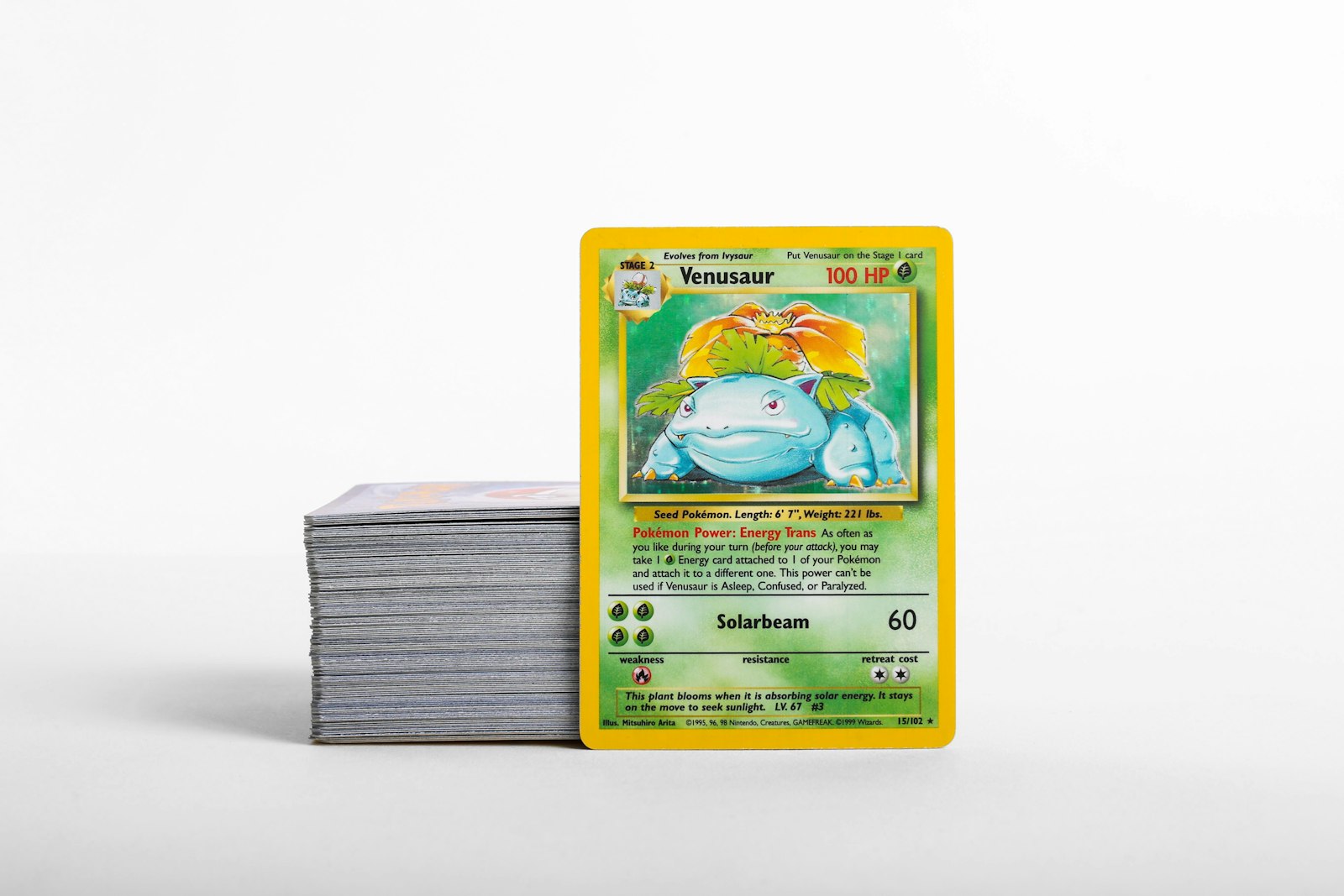
Every Pokemon collector eventually faces the same dilemma: a growing stack of cards on the desk and a limited supply of protective gear. It is easy to fall into one of two extremes. You might overprotect every single common card with an expensive hard case, wasting money and storage space. Or, you might leave valuable holographic cards unprotected in a loose cardboard box, risking edge wear and surface scratches.
To preserve your collection without overspending, you need a systematic method for matching each card to its ideal level of protection. By establishing a clear preservation protocol based on card condition, market value, and how often you want to look at your cards, you can keep your collection safe and perfectly organized.
Here is how to evaluate your cards and assign them to the right protection and storage tiers.
1. The Core Preservation Protocol: Value and Condition Tiers
Before you reach for a sleeve or a binder, you must categorize your cards. A balanced preservation system divides your collection into three distinct tiers based on wear and market value:
- Tier 1: High-Value Hits & Pristine Copies: This tier includes rare modern hits (like Special Illustration Rares), vintage holographic cards, and any card you intend to keep in flawless, unplayed condition. These cards require maximum physical isolation to prevent any contact with dust, fingers, or shifting weight.
- Tier 2: Mid-Value Holos & Meta-Relevant Playables: This tier covers standard holographic cards, reverse holos, and competitive deck staples. These cards need reliable protection from surface scratches, but they also need to remain easily accessible for gameplay or binder viewing.
- Tier 3: Bulk, Commons, and Uncommons: This tier consists of standard non-foil cards. They do not require individual plastic sleeves, but they still need structured, dust-free storage to prevent bending and edge damage over time.
To quickly sort your cards into these tiers, use a pokemon card scanner to identify your cards instantly. Pair this with a reliable pokemon card price checker to establish a baseline value, allowing you to route each card to its designated protection setup without second-guessing.
2. Choosing the Right Sleeve: Penny Sleeves vs. Perfect Fits
Sleeves are your first line of defense against surface scratches and dirt. However, not all sleeves serve the same purpose, and using the wrong style can actually cause damage.
Penny Sleeves
Penny sleeves are thin, clear, and slightly oversized. Because they fit loosely, they are incredibly safe for raw cards. The extra space means you can slide a card in and out without catching the corners or scraping the edges.
- Best For: Tier 1 cards (as the inner layer before a top loader) and Tier 2 cards stored in bulk boxes.
Perfect Fit Sleeves
Perfect fits are designed to hug the card exactly, leaving no border. They are excellent for double-sleeving or keeping cards dust-free inside tight binder pockets. However, you must handle them with extreme care. Forcing a card into a tight perfect fit sleeve can easily bend a corner or scuff an edge if you are too aggressive.
- Best For: Premium binder collections and double-sleeving high-value hits.
Matte and Deck Protector Sleeves
These sleeves feature a textured back and a clear, rigid front. They offer excellent structural support and make handling cards easy.
- Best For: Playable cards, trade binders, and cards you handle frequently.
3. Rigid Protection: Top Loaders, Semi-Rigids, and Magnetic Cases
For your Tier 1 cards, a simple plastic sleeve is not enough. You need rigid protection to prevent bending, pressure dings, and accidental drops.
- Top Loaders: These rigid plastic holders are the industry standard for single-card protection. Always put your card into a penny sleeve before sliding it into a top loader. Sliding a raw card directly into a rigid top loader can scratch the delicate foil surface.
- Semi-Rigid Holders: These are taller, flexible plastic sleeves. They are the preferred format for grading submissions because they hold the card firmly in place, preventing it from sliding around during transit. They are less practical for daily storage or display, but essential for shipping.
- Magnetic One-Touch Cases: These thick, hard-plastic cases use a magnet to lock the two halves together. They look beautiful on a shelf, but they require caution. Ensure you use a case with a recessed area specifically sized for your card, and consider using a perfect-fit sleeve to prevent the card from shifting against the hard plastic walls.
4. Binder vs. Storage Box: Making the Final Storage Decision
Once your cards are sleeved and encased, you must decide where they will live. Your choice depends on how often you want to interact with your collection.
Binders: For Viewing and Set Completion
Binders are perfect for cards you want to show off or browse regularly. When choosing a binder, avoid traditional three-ring binders. The metal rings can easily pinch and dent the cards closest to the spine (known as "ring damage"). Instead, opt for strap-closed or zippered binders with fixed, side-loading pages. Side-loading pockets prevent cards from sliding out of the top when the binder is turned upside down.
Storage Boxes: For Bulk and Top-Loaded Singles
For duplicates, bulk, and cards stored in top loaders, heavy-duty storage boxes are the best choice. Standard cardboard trading card boxes are inexpensive and highly effective, provided they are kept in a dry environment. For premium storage, look for zippered boxes lined with soft fabric, designed specifically to hold rows of top-loaded cards securely without letting them slide around.
5. Environmental Factors: Protecting Your Storage Area
The best sleeves and binders in the world cannot save your cards if your storage environment is unsafe. Paper and foil are highly sensitive to their surroundings. Keep these three factors in mind when choosing where to keep your collection:
- Humidity Control: High humidity causes holographic cards to curl (often called "foil curling") as the cardboard layer absorbs moisture faster than the plastic foil layer. Keep your cards in a room with stable humidity, ideally between 35% and 50%. Consider placing silica gel packets inside your storage boxes to absorb excess moisture.
- Temperature Stability: Avoid storing your collection in attics, garages, or damp basements. Extreme heat can soften adhesive on binder pages and cause sleeves to stick together, while cold, damp areas encourage mold.
- UV Light Protection: Direct sunlight fades ink quickly. Never display raw or sleeved cards in direct sunlight. If you display your favorite cards on a shelf, ensure they are kept away from windows, or use UV-resistant display cases.
6. Building an Efficient Intake and Protection Routine
To keep your storage organized, establish a consistent routine every time you open new packs or bring home a new batch of cards.
- Scan and Identify: Use a pokemon collection-app to scan each card as soon as it is unboxed. This helps you immediately identify the exact print variant and its market value.
- Assign the Tier: Based on the scan results, route the card to its proper protection level. High-value hits go straight into a penny sleeve and top loader, while commons go into sorted bulk boxes.
- Log the Location: Note in your digital inventory whether the card was placed in your master binder, a trade binder, or a specific storage box. This ensures you can find any card in your collection instantly without flipping through dozens of pages.
If you want to read more about organizing your collection, check out our blog for more practical guides on sorting, storing, and tracking your cards.
Keep Your Collection Safe and Organized with PokeSnap
An effective preservation protocol relies on quick, accurate information. You cannot protect your cards properly if you do not know what you have or what it is worth.
With PokeSnap, you can scan your cards in seconds, check current market trends, and manage your entire inventory from your phone. Whether you are sorting bulk into storage boxes or organizing your most valuable hits in a premium binder, PokeSnap makes it easy to keep your physical collection and your digital records perfectly in sync. Download PokeSnap today to streamline your protection routine and protect your cards for years to come.