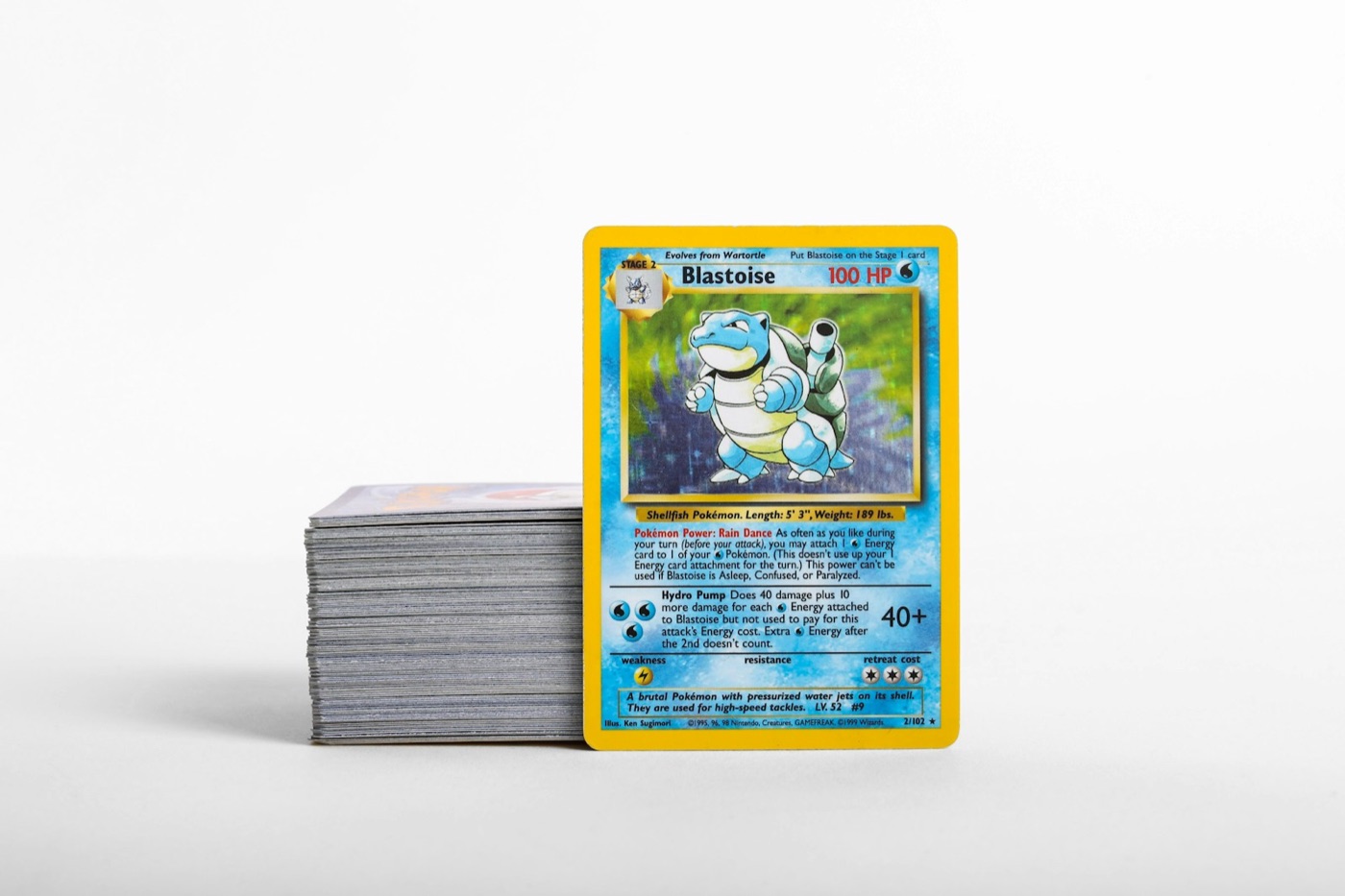
Every Pokemon collector knows the feeling of a growing backlog. You buy a few booster packs, pull some beautiful cards, place them on your desk, and promise yourself you will organize them "this weekend." Flash forward a month, and that tiny stack has mutated into an intimidating mountain of loose cards, half-filled binders, and mystery boxes.
Before you know it, you are buying duplicate cards you already own simply because you cannot find your original copies.
The secret to breaking this cycle is not spending hours meticulously typing card names into spreadsheets. It is building a simple, repeatable, and zero-stress Pokemon card inventory system. By bridging the gap between your physical storage and a digital tracker, you can keep your collection organized, clean, and completely searchable. Here is exactly how to set up a seamless inventory workflow.
1. The Core Principles of a Sustainable Inventory System
Before you touch a single card, you need a plan. The biggest mistake collectors make is trying to catalog and organize every single card in one massive, grueling session. This inevitably leads to burnout and half-finished projects.
A sustainable inventory system relies on three straightforward rules:
- Separate Immediately: Never let unsorted bulk mix with your "hits" or binder candidates.
- Digitize as You Sort: Do not wait until a binder is completely full to record it. Log cards digitally as they enter your physical space.
- Match Protection to Value: High-value cards get top loaders, mid-value cards go into binders, and low-value bulk goes to labeled storage boxes.
By following these rules, you ensure that your physical shelves and your pokemon collection app stay perfectly aligned without requiring hours of cleanup work later.
2. Setting Up Your Physical Sorting Station
To keep your workflow stress-free, create a dedicated physical workspace. You do not need a massive table—just a clean, flat surface free of dust, liquids, and direct sunlight.
Gather your sorting tools before you begin:
- A Clean Playmat: Provides a soft, scratch-free surface for handling raw cards.
- Sleeves and Top Loaders: Keep penny sleeves and rigid holders within arm's reach so you can protect valuable cards immediately.
- Cardboard Dividers or Sorting Trays: Perfect for separating cards by set, rarity, or type.
When a new batch of cards arrives—whether from a booster box opening, a local trade, or a mail day—lay them out on your playmat. Group them into three initial piles:
- High-Value/Chase Cards: Special illustration rares, secret rares, and personal favorites.
- Playable & Trade-Ready: Rare trainers, competitive staples, and popular duplicates.
- Bulk: Common and uncommon cards that will go into long-term storage boxes.
3. Streamlining Your Scanning Routine
Once your cards are sorted, it is time to digitize. Trying to manually search online databases for set symbols, card numbers, and variant names is a massive time sink. This is where a reliable pokemon card scanner becomes your best asset.
To maximize scanning speed and accuracy, follow this simple routine:
- Optimize Your Lighting: Position your phone under clean, indirect light. Avoid harsh, direct glare on the card surface, as reflections can obscure set symbols or artwork.
- Create High Contrast: Scan your cards on a dark, solid-colored background (like a black playmat). This helps the camera instantly detect the borders of the card.
- Batch Scan by Category: Scan your high-value pile first, followed by your trade pile. Keeping these groups separate during scanning makes it much easier to file them into the correct physical folders afterward.
Always verify each scan to ensure your digital inventory remains completely accurate. Confirming the set symbol and card number takes just a split second but saves hours of troubleshooting later.
4. Organizing Binders and Boxes for Easy Retrieval
A digital record is only useful if you can actually find the physical card when you want to look at it, trade it, or sell it. Once your cards are scanned, place them into their designated physical locations:
Master Set Binders
If you are working on set completion, organize these binders strictly by set number. Leave empty slots or use paper placeholders for cards you have scanned to your digital wishlist but do not yet physically own. This keeps your progress visual and clear.
Trade Binders
Group these by rarity or card type (such as Ultra Rares, Holos, or Special Illustration Rares). This makes it easy for trading partners to browse your offerings.
Bulk Storage Boxes
Use sturdy cardboard row boxes. Label each box clearly with the set name, release year, and whether it contains commons, uncommons, or energy cards.
5. Integrating Price Checks into Your Sorting Workflow
An organized inventory is about more than just neat rows of cards—it is also about knowing the context of what you own. Before you finalize your binder layouts or put cards up for trade, run them through a pokemon card price checker.
Integrating price checks into your regular inventory routine helps you:
- Identify Sleeper Hits: Sometimes a common trainer card or a low-rarity holo spikes in value due to competitive play. Regular scanning helps you catch these shifts before cards get lost in bulk boxes.
- Separate Your Trade Tiers: Keep your high-value trade targets in a premium binder, while low-to-mid value duplicates live in a separate folder.
- Monitor Collection Value: A digital tracker automatically tallies your collection's total estimated value, helping you track your hobby spending and trade equity over time without manual math.
6. The Weekly Maintenance Routine
The secret to a zero-stress system is consistency. A massive backlog of unsorted cards is intimidating, but spending just ten minutes a week keeping things tidy is effortless.
Set up a quick weekly routine to keep your inventory fresh:
- Log New Arrivals: Scan and sleeve any cards you acquired during the week before they get mixed into other piles.
- Update Your Wishlist: Remove cards you recently acquired and add new targets you want to chase.
- Clean Your Workspace: Put away empty boxes, loose sleeves, and packing materials so your sorting station is always ready for your next pack opening.
Streamline Your Collection with PokeSnap
Building a zero-stress Pokemon card inventory system does not require hours of tedious manual data entry. By combining a clean physical sorting routine with a powerful digital tracker, you can spend less time managing your cards and more time enjoying them.
Ready to simplify your workflow? Download PokeSnap today to scan your cards, check values instantly, and manage your growing collection right from your phone.