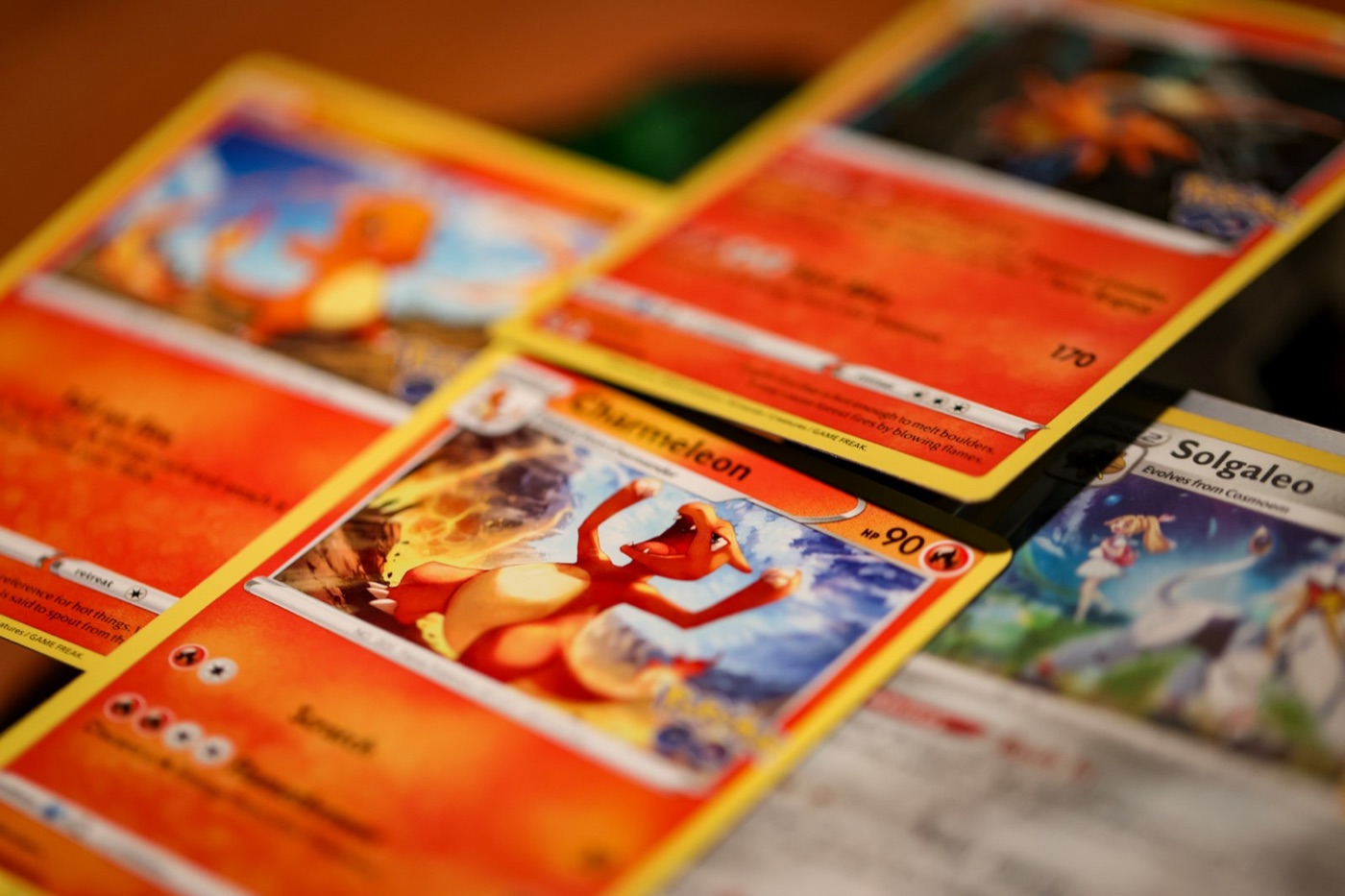
Every collector knows the feeling: you are standing at a trade night table or browsing an online marketplace, staring at a card you want, and trying to decide if the deal is fair. The market moves quickly, and relying on a gut feeling or an outdated mental price list is a fast way to overpay or trade away a valuable card for pennies on the dollar.
To make smart, confident decisions, you need a repeatable pricing research routine. Verifying Pokemon card value trends before you agree to any trade or purchase protects your budget and keeps your collection growing in the right direction. By comparing multiple data points, analyzing real market sold records, and accounting for physical condition, you can make fair offers and accept deals without second-guessing yourself.
Here is how to build a reliable pre-deal research routine, spot market anomalies, and prepare for your next transaction with confidence.
Why a Single Price Reference is a Risk
Many collectors make the mistake of opening a single marketplace, searching for a card, and using the first number they see as their valuation. This approach is highly risky for several reasons:
- Active vs. Completed Listings: Anyone can list a card for any price they want. An active listing of $100 does not mean anyone is willing to pay it. Only completed, sold listings represent actual market value.
- Market Outliers: A single buyer overpaying for a card on a late-night bidding war can temporarily warp the apparent price. Relying on one data point can skew your entire budget.
- Condition Discrepancies: A card priced as "Near Mint" might actually be "Lightly Played" upon inspection, meaning you could be using a price reference that is 20% to 50% too high.
To avoid these pitfalls, your research should always focus on establishing a market average based on multiple verified sales over the last 14 to 30 days.
Step-by-Step Guide to Analyzing Recent Sold Listings
When researching a card's value, your first goal is to find "comps" (comparable sales). This process tells you what buyers are actually paying right now.
- Identify the Exact Card: Look up the card by its name and set number (e.g., Charizard 151/165). If you are dealing with Japanese cards or complex variants, using a high-quality Pokemon card scanner can save you time and prevent you from researching the wrong printing.
- Filter by "Sold" and "Completed": On your preferred marketplace or database, ignore active listings and filter exclusively for completed sales.
- Look for Volume: If a card sells ten times a day, the market value is highly stable. If it only sells once a month, the price is more volatile, and you should leave a wider margin of error in your negotiations.
- Calculate the Average: Take the last 3 to 5 sold prices of the card in the same condition as the copy you are trading or buying. Add them together and divide by the number of listings to find a reliable baseline price.
Factoring in Card Condition and Printing Variants
Not all copies of the same card are created equal. A tiny speck of whitening on a corner or a subtle scratch on the holo foil can drop a card's value down a condition tier, which instantly changes its market price.
When you are preparing for a trade or purchase, inspect the card under bright, direct light. Compare it against standard condition definitions:
- Near Mint (NM): Minimal to no wear. Clean edges, no surface scratches, and perfect corners.
- Lightly Played (LP): Minor whitening on the back edges, tiny surface scuffs, or very light corner wear.
- Moderately Played (MP): Clear whitening on multiple edges, minor silvering on the front, or light creasing/scratches.
Additionally, watch out for printing variants. Reverse holos, stamped promos, and international language prints (such as Japanese vs. English) have entirely different market dynamics. Always make sure your pricing research matches the exact variant in hand. Keeping a digitized catalog of your current targets in a Pokemon collection app helps you keep these details straight when you are away from your physical desk.
How to Spot and Handle Market Anomalies
Sometimes, a card's price sheet does not tell the whole story. You might notice a card that was $10 last week is suddenly being listed for $40. Before you buy into the hype or trade away your copy, determine what is driving the change:
- Competitive Play Spikes: If a card suddenly becomes a staple in the active trading card game meta, competitive players will rush to buy it. These price spikes are often temporary. Once the tournament season shifts or a counter-deck emerges, the price typically settles back down.
- Social Media Hype: A popular influencer or content creator featuring a specific card can cause a temporary rush of buying activity. This artificial demand rarely lasts, so patience is key.
- Buyouts: If a card has low supply, a small group of buyers can purchase every available copy online and relist them at inflated prices. Look at the historical sales volume to see if real collectors are actually paying the new, higher price.
If you spot a sudden, vertical price spike, it is usually safest to pause the deal or wait for the market to stabilize before committing major trade value.
Creating Your Pre-Deal Trade and Purchase Checklist
To keep your negotiations calm and objective, print or write down a simple checklist before you head to a local card show, trade night, or meet a local seller. Having a clear set of rules stops you from making emotional impulse decisions.
| Step | Action Item | What to Confirm | | :--- | :--- | :--- | | 1 | Verify Identity | Confirm set symbol, card number, and language variant. | | 2 | Assess Condition | Inspect front and back for whitening, scratches, and centering issues. | | 3 | Check Comps | Find the average of the last 3–5 sold listings for that exact condition. | | 4 | Set a Limit | Establish your maximum cash price or trade value before negotiating. | | 5 | Walk Away Point | Know when to politely decline if the other party's valuation is unrealistic. |
Streamlining Your Research on the Go
Carrying a laptop or constantly typing card names into search bars during a busy trade night is slow and distracting. It breaks the flow of negotiation and can make the other collector impatient.
To speed up your workflow, use a dedicated Pokemon card price checker on your phone. Scanning a card to pull up its historical pricing data, set details, and market averages in seconds keeps your focus where it belongs: on making a fair, clean deal. You can read more about setting up your mobile inventory routines on our blog to keep your trading sessions fast and professional.
Make Every Deal a Win with PokeSnap
Successful collecting is built on accurate information. By taking a few moments to verify market trends, inspect card condition, and compare completed sold listings, you can build a collection that holds its value for years to change.
Ready to take the guesswork out of your next card show or trade night? Download PokeSnap today. With our instant scanner and built-in price tracker, you can identify cards, check market values, and manage your entire binder on the go. Never overpay or accept a bad trade again.