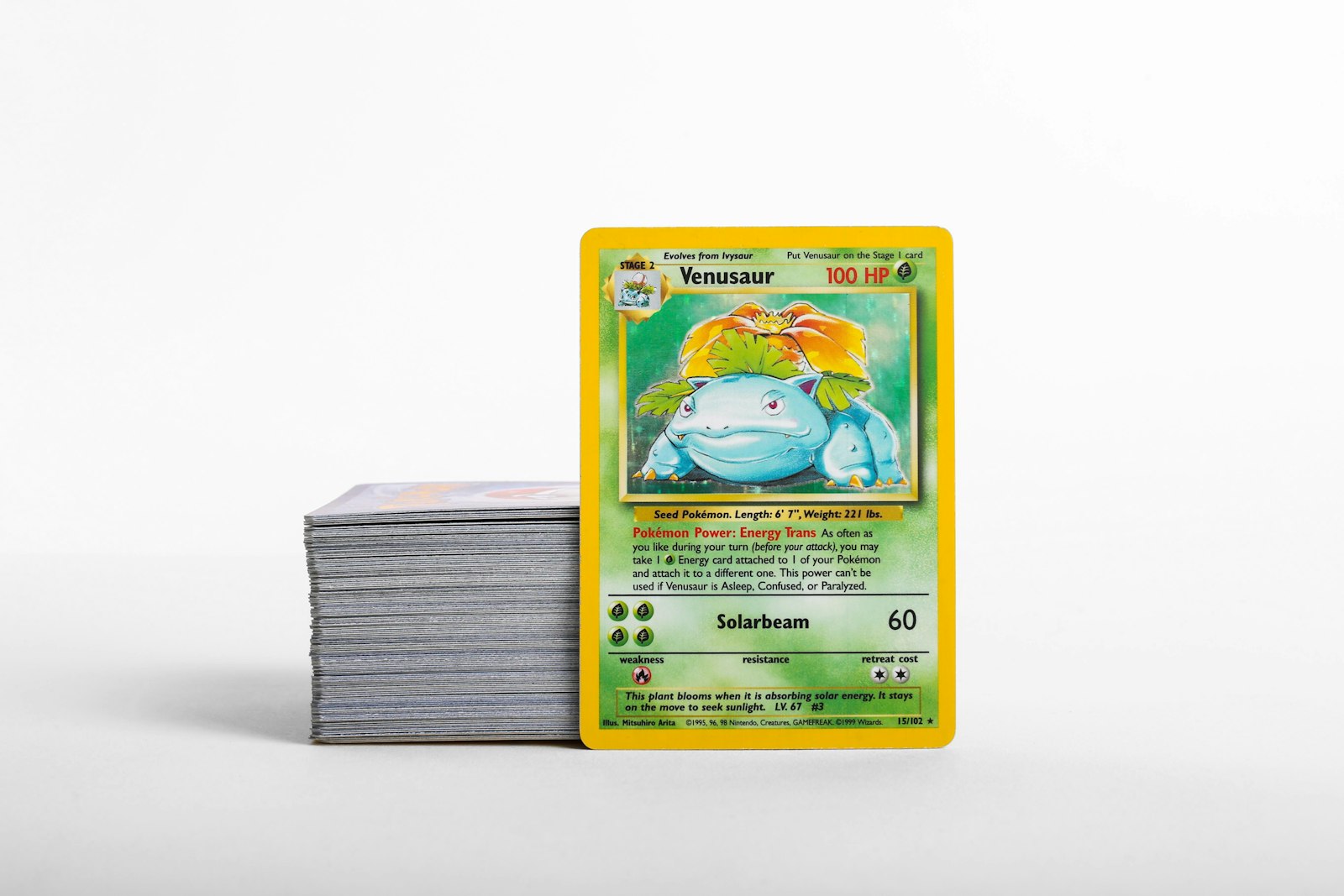
Protecting a Pokemon card collection is one of the most satisfying parts of the hobby, but it can quickly become an expensive, space-consuming challenge. Many collectors fall into one of two extremes: either they protect every single card as if it were a priceless vintage holo, or they leave valuable hits vulnerable to dust, moisture, and edge wear in unsorted piles.
Finding the middle ground is the key to building a sustainable collection. By establishing a systematic approach to card condition and storage, you can keep your cards in pristine shape without overspending on plastic and binders.
Here is how to audit your collection, evaluate card condition, and make smart storage decisions that protect your cards and your budget.
The Cost of Over-Protection vs. Under-Protection
It is easy to see why collectors want to protect their cards. A single scratch or a slightly bent corner can significantly lower a card's physical condition and collectible appeal. However, putting every reverse holo or standard rare into a rigid toploader is rarely practical.
Toploaders are thick, heavy, and expensive when purchased in bulk. If you topload hundreds of low-value cards, you will quickly run out of storage space and spend money that could have been used to buy new cards for your collection.
Conversely, under-protecting your cards is a recipe for regret. Storing valuable ultra-rares loose in cardboard boxes or sliding them unprotected into tight binder pockets can cause surface scratches, edge chipping, and warping. The goal is to match the protection level to the card's actual rarity, condition, and long-term role in your collection.
The Three-Tier Storage Framework
To keep your storage organized and cost-effective, group your cards into three distinct protection tiers based on their condition and collectible value.
Tier 1: Bulk, Commons, and Play Staples
These are your standard commons, uncommons, non-holo rares, and basic energy cards.
- Storage Goal: Space efficiency and basic dust protection.
- Best Gear: Acid-free bulk storage boxes (such as cardboard white boxes or plastic deck boxes).
- Sleeve Requirement: Un-sleeved or grouped in small stacks with paper bands. Only sleeve active play staples that you use in competitive decks.
Tier 2: Binder Cards (Holos, Reverse Holos, and Mid-Tier Hits)
This tier includes standard holo rares, reverse holos, older vintage commons in good condition, and modern lower-end ultra-rares (like standard ex or V cards).
- Storage Goal: Safe display, easy browsing, and protection from light handling.
- Best Gear: Side-loading binders with built-in, padded black backing pages. Avoid 3-ring binders with loose plastic pages, as the metal rings can pinch and damage the inner rows of cards over time.
- Sleeve Requirement: Standard penny sleeves. Always slide the card into a penny sleeve before placing it in a binder pocket to prevent the textured binder plastic from scratching the card's surface.
Tier 3: Premium Hits and Grail Cards
This tier is reserved for your absolute best cards: special illustration rares, secret rares, valuable vintage holos, and any raw cards you are keeping in pristine condition for future evaluation.
- Storage Goal: Maximum physical protection against bending, dropping, and environmental exposure.
- Best Gear: Rigid toploaders, semi-rigid holders, or magnetic one-touch cases. Store these protected cards inside dedicated toploader boxes to keep them upright and dust-free.
- Sleeve Requirement: Standard penny sleeves or high-quality perfect-fit sleeves. If you use magnetic one-touch cases, make sure to use a perfect-fit sleeve designed for those holders to avoid surface friction.
Selecting the Right Sleeve: Penny Sleeves vs. Perfect Fits
The first line of defense for any Pokemon card is the sleeve. However, choosing the wrong sleeve type can sometimes cause more harm than good.
- Penny Sleeves: These are loose-fitting, clear plastic sleeves. They are the safest and most versatile option for raw cards. Because they are slightly larger than the card, there is virtually zero risk of damaging the card's corners or edges when sliding it inside. Always use penny sleeves for cards going into toploaders or side-loading binders.
- Perfect-Fit Sleeves: These sleeves are engineered to fit the exact dimensions of a Pokemon card. While they are excellent for double-sleeving (sliding a perfect-fit sleeve over the card, then placing it upside down inside a standard deck sleeve), they require caution. If you are not careful, pushing a card into a tight perfect-fit sleeve can catch the corners and cause minor whitening or bending.
For general storage, stick to high-quality, acid-free penny sleeves. They are highly affordable and offer the safest entry and exit for your cards.
Binders vs. Toploaders: Making the Space Decision
Choosing between a binder and a toploader box often comes down to how you prefer to enjoy your collection. Binders offer an unmatched viewing experience. There is nothing quite like flipping through a completed set or a beautifully organized trade binder.
However, binders do not offer the same structural rigidity as toploaders. If a binder is packed too tightly or stored flat under heavy items, the cards inside can warp or experience pressure damage.
For maximum safety:
- Store your binders vertically, like books on a shelf, rather than stacking them on top of one another.
- Use toploaders for cards that you do not need to view in a sequential set, or for cards that are highly sensitive to surface wear, such as vintage holos with easily scratched foil patterns.
Streamlining Your System with Digital Tools
Keeping your physical storage organized is much easier when you have an accurate digital record of your collection. Before you decide which cards deserve a premium binder slot or a rigid toploading case, you need to know exactly what you have and what condition those cards are in.
Using a Pokemon card scanner allows you to quickly identify your cards, check their set numbers, and record their condition without having to manually type out names and numbers. Once scanned, you can use a Pokemon collection app to group your cards into custom lists, such as "Trade Binder," "Toploader Box," or "Grading Candidates."
By keeping your digital inventory updated, you can easily identify duplicate cards that do not need premium protection. Instead of keeping three copies of the same holo card in expensive individual sleeves, you can keep the best-condition copy in your binder and route the duplicates to your trade box or bulk storage.
Additionally, a built-in Pokemon card price checker helps you stay informed about which cards in your collection have higher collectible value, ensuring you never accidentally leave a high-value card unprotected in a bulk box.
Maintaining Your Protection Setup Over Time
Card protection is not a "set-and-forget" task. Environmental factors like humidity, dust, and temperature changes can impact your storage gear over time.
Make it a habit to audit your physical storage once or twice a year. Check your binders for page warping, look for dust accumulation inside your toploader boxes, and replace any older penny sleeves that have become cloudy or scratched. Keeping your physical cards clean, dry, and properly organized ensures that your collection remains in excellent condition for years to come.
When you are ready to take control of your collection, start by scanning your cards with the PokeSnap app. PokeSnap makes it simple to identify your cards, track their condition, and organize your digital inventory so you always know exactly which cards deserve your best protective gear. Download PokeSnap today to simplify your storage workflow and keep your collection safe.