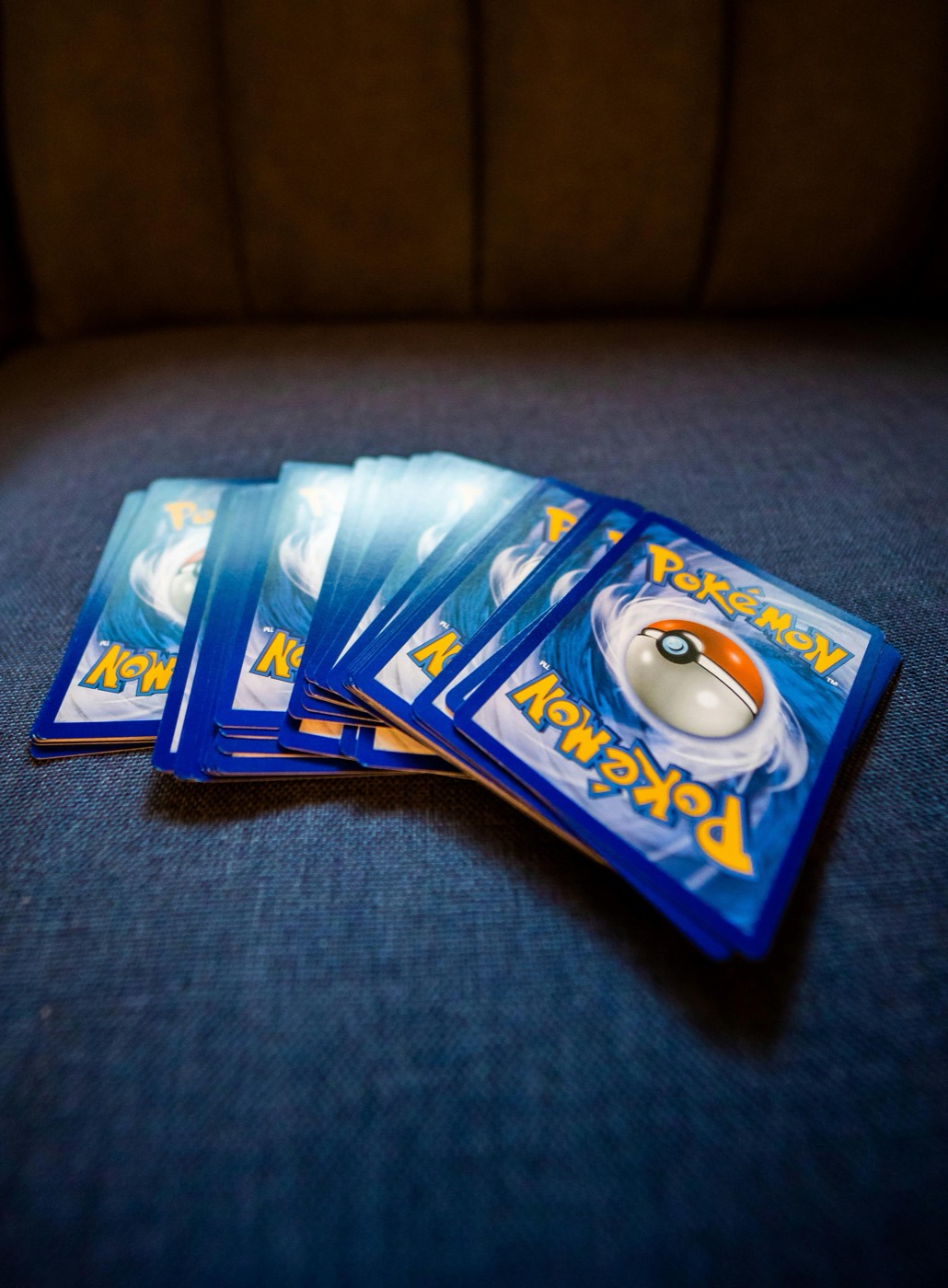
How to Run a Two-Tier Pokemon Card Filing System for Binders and Storage Boxes
Maintaining a growing Pokemon collection without a deliberate storage workflow quickly leads to unsorted piles, duplicate purchases, and lost binder space. A two-tier filing system solves this by dividing your cards into two distinct physical categories: active binder pages for master sets and trade targets, and organized storage boxes for bulk, duplicates, and hold inventory.
By combining physical storage tiers with a digital tracker, you can route new acquisitions immediately, eliminate backlogs, and know exactly where every card sits without flipping through endless sleeves.
Why One-Size-Fits-All Storage Fails Growing Collections
Many collectors begin by placing every card into 9-pocket binder pages chronologically or by set number. While this works for smaller collections, it becomes inefficient as your volume increases. Binders quickly fill up with low-value duplicates, playables, and unfiled bulk, leaving no room for new set hits or clean display pages.
Conversely, storing everything in plain cardboard boxes makes browsing your best cards inconvenient and leads to forgotten hits. A two-tier system establishes clear rules for where cards live based on their purpose:
- Tier 1 (Active Display & Master Sets): Binder-stored cards reserved for set completion, favorite art, rare hits, and active trade binders.
- Tier 2 (Archival & Duplicate Storage): Box-stored cards categorized by set, rarity, or condition, kept safe in penny sleeves and indexed digitally.
Setting Up Your Tier 1 Active Binders
Your Tier 1 storage is designed for visibility, quick access, and active set tracking. Use side-loading, acid-free binder pages with archival-safe materials to keep cards secure during frequent browsing.
To structure Tier 1 effectively, divide your binders into clear operational roles:
- Master Set Binders: Arranged strictly by expansion set numbers. Insert numbered placeholders or sticky tabs for missing cards so you always know where gaps remain.
- Trade & Display Binders: High-value hits, art rares, and active duplicates ready for local trade meets or sales.
- Personal Vault Binders: High-grade personal collection singles that you intend to keep long-term.
Before placing any raw card into a Tier 1 binder page, ensure it is sleeved in a clean penny sleeve to prevent surface micro-scratches from page movement.
Establishing Your Tier 2 Storage Box System
Tier 2 handles the high-volume foundation of your collection: reverse holos, deck staples, duplicate hits, and bulk. Instead of letting unsorted stacks pile up on your desk, use sturdy cardboard or plastic storage bins divided by clear set index cards.
A reliable Tier 2 storage workflow follows three rules:
- Group by Expansion and Set Number: Keep cards from the same set together in numerical order. This makes pulling specific cards for trades or online sales painless.
- Sleeve Rares and Reverse Holos: Even in storage boxes, individual foil cards should be protected with penny sleeves to prevent foil warping and corner dinging.
- Use Rigid Box Dividers: Segment boxes with high-contrast card stock labels indicating set names and release eras.
When you pull a duplicate from a modern pack opening, immediately catalog it and drop it into its designated Tier 2 row rather than leaving it in temporary staging trays.
Stage 1: The Fast Scanner-Led Intake Routine
The secret to keeping a two-tier system working long-term is a quick intake routine after pack openings or mail days. Trying to manually log sets, card numbers, and variant details into a manual ledger takes hours and creates friction that causes inventory backlogs.
Streamline intake using a mobile scanner app:
- Lay Out Fresh Pulls: Group your new cards on a flat, well-lit surface away from dust or moisture.
- Scan for Instant Identification: Use a dedicated Pokemon card scanner to capture set symbols, card numbers, and print variants instantly.
- Review Market Data: Use an integrated Pokemon card price checker to flag cards that belong in Tier 1 display binders versus Tier 2 storage rows.
- Assign the Tier: Place hits directly into Tier 1 binder slots and send duplicates or bulk directly into Tier 2 set boxes.
By completing the digital record before filing the physical cards, your inventory stays 100% accurate without extra entry steps later.
Syncing Physical Locations with Your Digital Tracker
A physical storage system is only as efficient as the digital index supporting it. Without a centralized record, finding a specific reverse holo or checking whether you own a duplicate requires searching through physical boxes.
Using a comprehensive Pokemon collection app allows you to attach physical location notes to digital entries. For example, mark a card as "Binder 3 - Scarlet & Violet - Page 12" or "Box B - Row 2 - Paldea Evolved."
When you prepare for a swap or set build, search your app to instantly check card condition, set status, and physical location before opening a single box or binder.
Maintaining Order with a Monthly Inventory Audit
As you trade cards, open new booster boxes, and update set goals, physical binders and storage bins naturally shift out of alignment. Schedule a quick 30-minute monthly audit routine to keep your two-tier structure clean:
- Rebalance Binders: Move upgraded card condition copies into Tier 1 and demote older copies to Tier 2 trade boxes.
- Clear Staging Queues: Ensure no loose cards remain in temporary sorting trays or on your desk.
- Verify Digital Quantities: Confirm that cards traded or sold during the month have been removed from your digital inventory tracker.
- Check Storage Gear: Replace any cloudy sleeves, bent binder pages, or damaged box dividers to maintain physical protection.
Build a Seamless Workflow for Your Collection
Organizing your Pokemon cards with a two-tier filing system eliminates desktop clutter, protects your card condition, and turns set completion into a simple, structured routine. Pairing active binders and indexed storage boxes with digital cataloging ensures you spend less time searching for cards and more time enjoying the hobby.
Ready to digitize your two-tier inventory? Download PokeSnap today to scan fresh pulls in seconds, track market comps, and keep your physical binders and digital collection perfectly in sync.