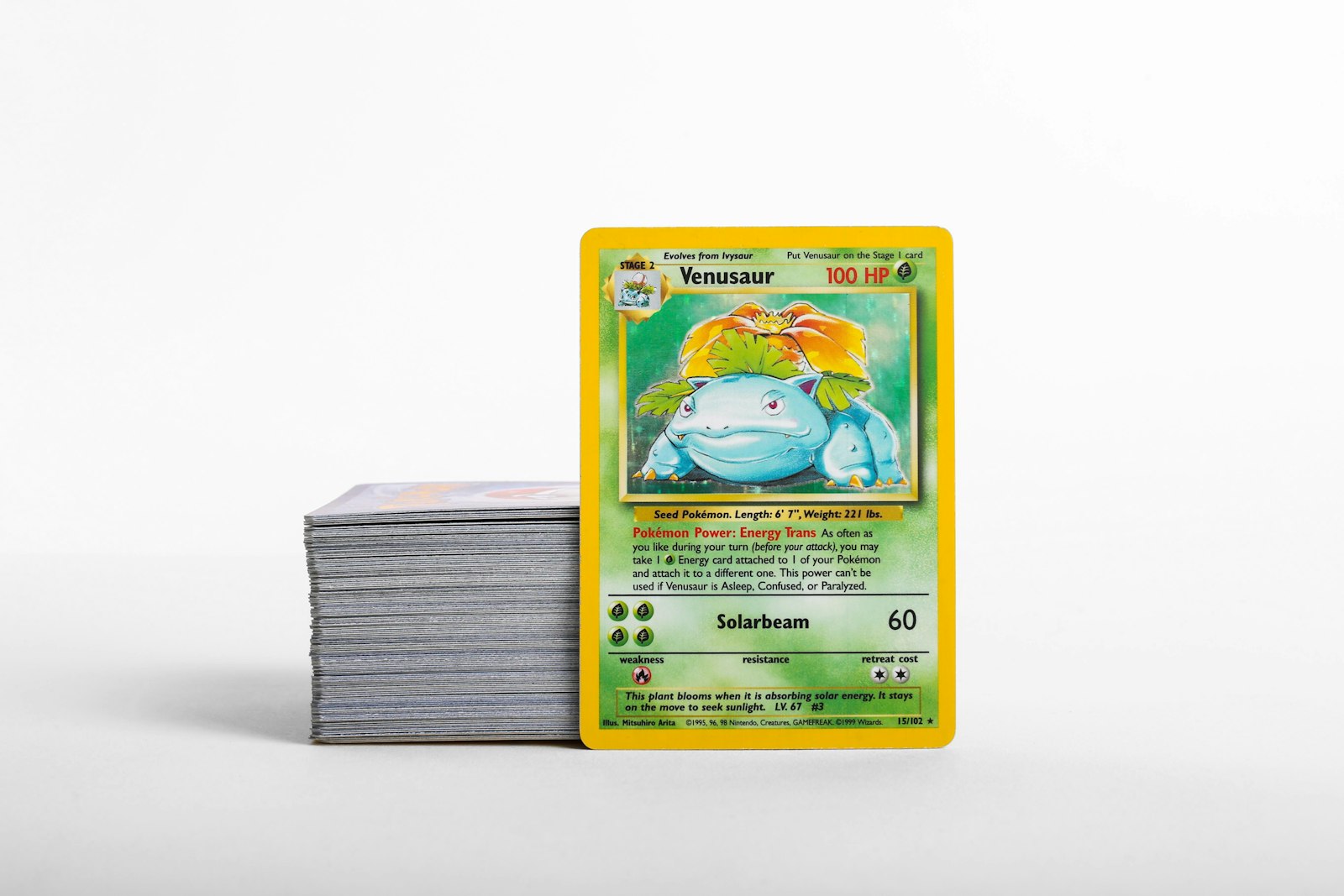
Every Pokemon card collector faces the same dilemma after opening a new booster pack or bringing home a trade: how should this card be protected? Storing every single card in a heavy-duty hard case is expensive and takes up too much physical space. On the other hand, leaving valuable hits loose in cardboard boxes invites scratches, bent corners, and edge wear.
To preserve your collection's physical condition and long-term appeal, you must match each card's physical state and rarity to the appropriate tier of protective gear. By establishing a clear protection protocol, you can safeguard your cards from environmental wear while keeping your storage costs and shelf space manageable.
Here is a practical guide to evaluating raw card condition, choosing the right sleeves, binders, and boxes, and organizing your storage setup.
1. The First Line of Defense: Choosing the Right Sleeves
Sleeving is the most critical step in preserving a raw card's surface. Dust, oils from your fingers, and friction from sliding cards across surfaces can cause microscopic scratches that permanently lower a card's condition.
There are two primary types of sleeves used for raw cards:
- Penny Sleeves: These are loose-fitting, clear plastic sleeves. They are perfect for low-to-mid-value cards, reverse holos, and playable rares. Because they are slightly oversized, they prevent the edges of the card from rubbing against the plastic when you slide them in. Penny sleeves are also the mandatory base layer before placing a card into a rigid toploader.
- Perfect Fit Sleeves: These are designed to hug the card with almost zero excess space. They are ideal for double-sleeving (inserting a perfect-fit-sleeved card upside down into a standard deck protector or binder pocket). However, you must handle them with care; forcing a card into a tight perfect fit sleeve can occasionally cause minor edge whitening if not done gently.
Rule of Thumb: If a card has a textured surface, a holographic finish, or any notable rarity, it should receive at least a standard penny sleeve immediately after it is identified with a pokemon card scanner.
2. Binders vs. Toploaders: Deciding Where Your Cards Live
Once a card is sleeved, you must decide whether it belongs in a binder or a rigid plastic toploader. This decision should be based on the card's physical condition and its role in your collection.
When to Use Binders
Binders are excellent for set completion, easy viewing, and cards you like to browse frequently.
- Best for: Near Mint (NM) to Lightly Played (LP) commons, uncommons, regular holos, and lower-tier ultra rares.
- Binder Requirements: Always choose a side-loading binder with black backing pages and a secure zipper or strap. Avoid traditional three-ring binders with loose pages, as the metal rings can pinch and crease the cards closest to the spine (often referred to as "ring denting").
When to Use Toploaders
Toploaders are rigid plastic holders that prevent cards from bending, warping, or taking impact damage.
- Best for: High-value hits, vintage holos, and cards with pristine surfaces that you might want to submit for professional grading in the future.
- Toploader Requirements: Never slide a raw card directly into a toploader without a penny sleeve first. The hard plastic of a toploader can easily scratch an unprotected card surface. Use a standard 3" x 4" toploader (35pt thickness is ideal for standard Pokemon cards).
3. Evaluating Raw Card Flaws to Determine Protection Levels
Before assigning a card to a permanent storage format, you must inspect its physical condition. Minor flaws can help you categorize where the card fits in your protection hierarchy.
| Flaw Type | Description | Recommended Protection Tier | | :--- | :--- | :--- | | Pristine / Pack Fresh | No visible silvering, whitening, or surface scratches. Perfect centering. | Penny sleeve + Toploader (or double-sleeve for binder) | | Minor Edge Whitening | Tiny specks of white cardboard showing on the back edges or corners. | Standard penny sleeve + Side-loading binder | | Surface Scratches | Light lines visible only under direct, angled light. | Standard penny sleeve + Storage box or binder | | Heavy Wear / Creases | Deep scratches, peeling corners, or structural bends. | Standard penny sleeve + Bulk box (or binder placeholder) |
By running a quick physical assessment, you can avoid overspending on premium protection for cards that already exhibit moderate wear, while ensuring your flawless cards remain in pristine condition.
4. Storage Box Selection for Large-Scale Collections
For bulk cards, duplicate commons, and non-holo rares, binders and toploaders are simply not practical. You need bulk storage options that keep your extra cards organized without allowing them to slide around and damage each other.
- Cardboard Storage Boxes: Traditional white BCW cardboard boxes (ranging from 800-count single rows to 5,000-count multi-row monster boxes) are the industry standard. They are inexpensive, stackable, and fit sleeved cards comfortably.
- Plastic Storage Bins: Heavy-duty, latching plastic bins offer better protection against dust and minor moisture. If you live in a highly humid environment, plastic bins paired with reusable silica gel packets are essential to prevent "foil curl" (the natural warping of holographic cards caused by atmospheric moisture).
- Filing and Dividers: Use physical plastic or cardboard dividers to separate your sets, types, or rarities. Keeping your physical boxes structured makes it incredibly easy to locate specific cards when you want to cross-reference them with your digital records.
5. Structuring Your Storage by Value and Protection Tiers
To keep your collection from turning into an unmanageable pile of boxes and binders, establish a tiered storage system. This system ensures that every card is protected according to its actual importance and market presence.
- Tier 1: The Vault (Toploaders & Hard Cases): This tier is reserved for your absolute best cards. These are your high-end secret rares, vintage classics, and grading candidates. They live in penny sleeves, inside toploaders, stored inside a dedicated toploader box or zipper case.
- Tier 2: The Display (Binders): This tier is for complete sets, personal favorite artworks, and trade binders. Every card here is sleeved and organized in premium side-loading binders.
- Tier 3: The Library (Sorted Bulk Boxes): This tier contains clean, sorted commons, uncommons, and non-holo rares. They are stored in cardboard rows, divided by set, and kept in a climate-controlled room.
Before moving cards between these tiers, it is highly recommended to check their current market standing using a pokemon card price checker to make sure a card hasn't quietly moved up in collector interest, warranting an upgrade in protection.
6. Syncing Your Physical Storage with Your Digital Collection
Maintaining a pristine physical storage setup is only half the battle. If you don't know which box or binder a specific card is in, you will find yourself constantly digging through your collection, risking accidental physical damage to the corners and edges of your cards.
This is where a dedicated pokemon collection app becomes an invaluable part of your storage strategy. By keeping a digital inventory, you can:
- Track Card Condition Digitally: Record whether a card is Near Mint, Lightly Played, or Moderately Played so you don't have to repeatedly unsleeve and inspect it.
- Log Storage Locations: Use custom lists or notes within your app to mark whether a card is located in "Binder A," "Toploader Box 1," or "Bulk Box 2024."
- Avoid Unnecessary Handling: Instead of flipping through delicate binder pages or sliding cards out of tight sleeves to show a friend or check a detail, you can simply open your digital catalog.
By keeping your physical storage tiers perfectly aligned with your digital inventory, you reduce the physical handling of your cards to an absolute minimum, preserving their condition for years to come.
Keep Your Collection Safe and Organized with PokeSnap
Protecting your Pokemon cards requires a balance of quality physical gear and smart organization. Once you have sorted your cards by condition, you need a fast, reliable way to catalog them all without spending hours typing out set numbers and names.
With PokeSnap, you can instantly scan your cards, check their current market value, and organize them into custom folders that match your physical binders and boxes. Download PokeSnap today on the App Store or Google Play to build a clean, protected, and fully digitized Pokemon card collection.