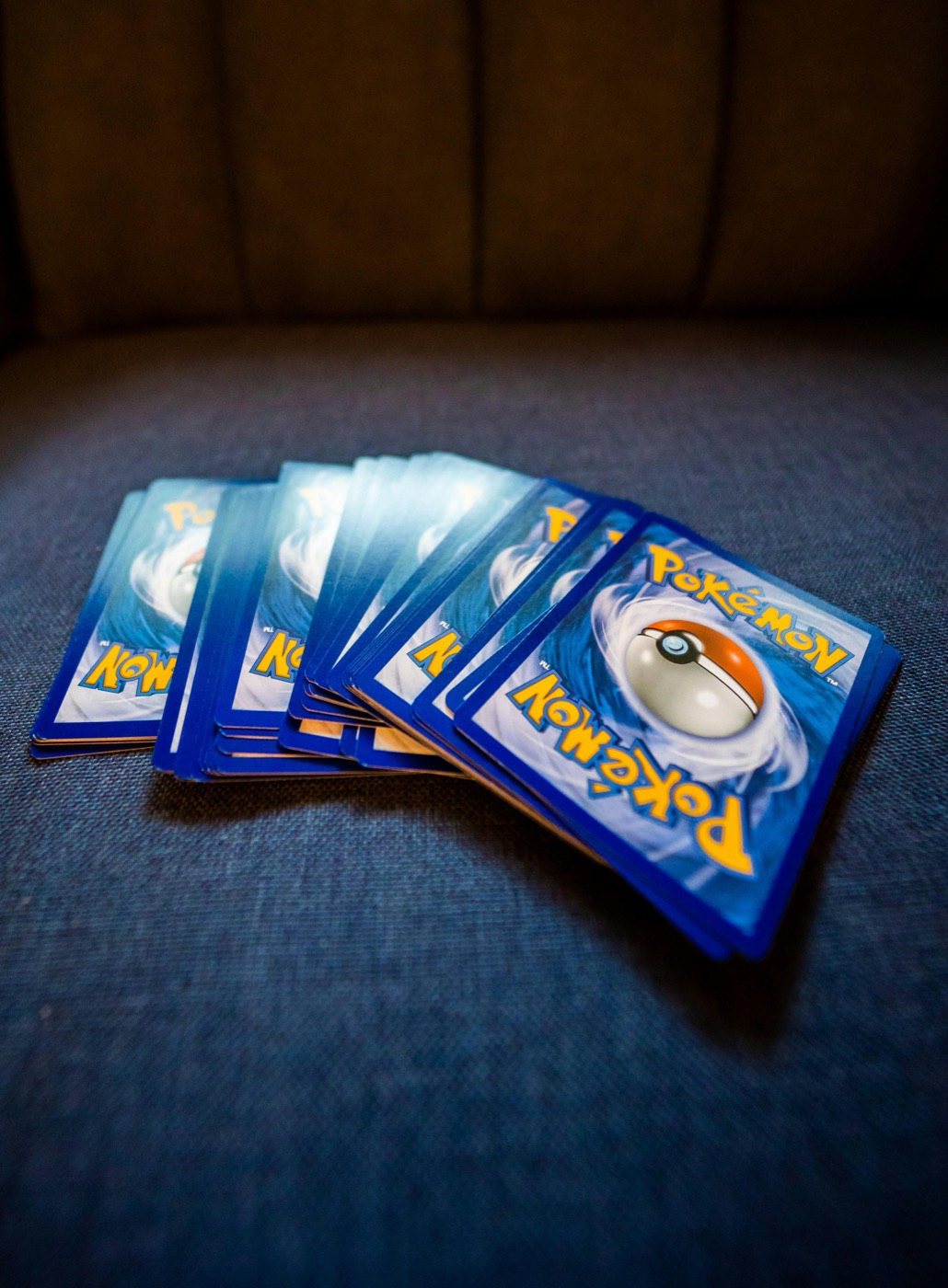
A starter collection should be fun first
Pokemon cards for kids do not need to start with expensive chase cards. The best first collection is easy to browse, safe to handle, and structured enough that cards do not disappear into random piles after one weekend.
Start with enjoyment, then add simple habits that protect the cards that matter.
Build around favorite Pokemon
Kids often collect differently from adults. A favorite Pokemon, artwork style, type, or character can matter more than market value. That is fine. A starter binder should make the collection feel personal before it becomes an inventory project.
Good first binder sections include:
- Favorite Pokemon
- Favorite artwork
- Holos and shinies
- Cards from recent packs
- Trade-only cards
- Cards to keep safe
The binder guide is useful when the binder starts growing.
Use bulk wisely
Bulk can be perfect for kids because it offers variety without high cost. The key is to separate bulk from cards that should be protected. Clean commons, uncommons, energies, and duplicates can be great starter material, while better pulls should move into sleeves.
Use the bulk guide to sort low-risk cards from cards that deserve more attention.
Teach sleeves before value
Sleeving is easier to learn than pricing. Pick a simple rule: any card the child loves, trades often, or wants to keep clean gets a sleeve. Better cards can move from sleeve to binder or top loader.
This builds good handling habits without making every card feel fragile. The sleeve guide explains the basic options.
Keep trading rules simple
Kids trade quickly, and value can be hard to judge. Set simple rules:
- No trading favorite cards without checking first
- No trading expensive-looking cards at school without review
- Compare condition before agreeing
- Keep fake or damaged cards out of trade binders
- Record important trades afterward
The trade night checklist works as a more advanced version when the collection gets serious.
Watch for fake cards gently
Fake cards are common in playground lots, online bundles, and mixed bulk. Treat the check as a normal part of collecting, not as a crisis. Look for odd fonts, wrong card backs, strange shine, blurry print, poor texture, and cards that feel wrong.
Use the fake Pokemon card guide when a card looks suspicious.
Add tracking only when it helps
You do not need to log every childhood bulk card on day one. Start by tracking favorites, holos, valuable pulls, trades, and cards the child would be upset to lose. A Pokemon card collection app can keep the important cards visible without turning the hobby into homework.
The simple rule
A Pokemon card starter collection for kids should be fun, affordable, and easy to protect. Build around favorite cards, use bulk for variety, sleeve meaningful cards, set trade rules, check suspicious cards, and track only the cards that actually matter.