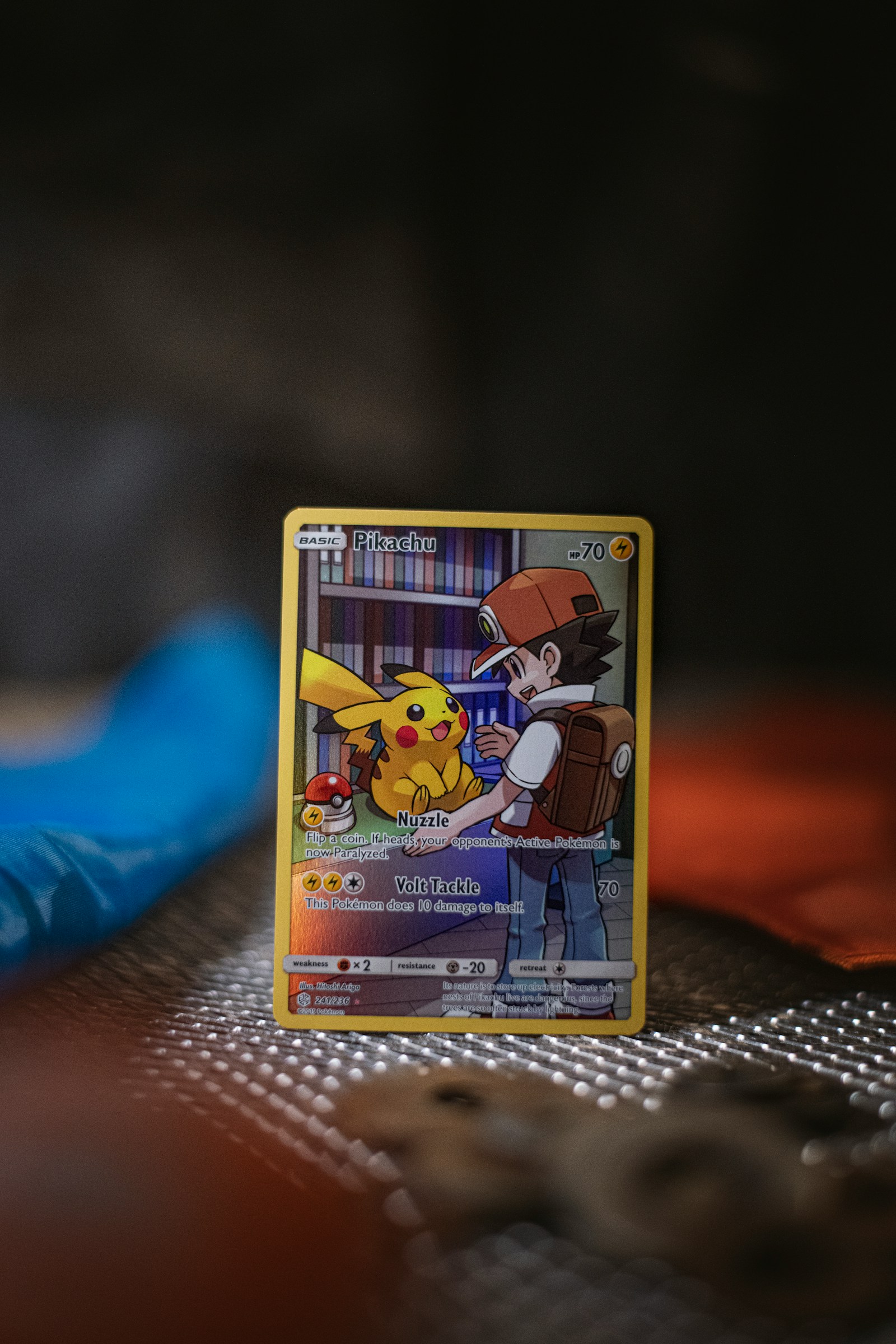
Trade nights are easier with limits
Pokemon card trade nights are fun because decisions happen quickly. That is also where collectors overtrade, spend cash on the wrong card, or swap duplicates without moving closer to a real collection goal.
A trade night budget guide gives the session a structure before the table gets busy.
Set a cash limit first
Decide the maximum cash you are willing to add before you arrive. Split it into:
- Must-have target card budget
- Small pickup budget
- Emergency reserve for a rare opportunity
- Stop point for the night
The collecting budget guide helps keep this aligned with your monthly plan instead of treating every event as an exception.
Price your trade binder before the event
Do not wait until someone asks about a card to decide its value. Use the trade binder pricing guide and Pokemon card price checker to mark rough ranges for the cards people are most likely to want.
Keep ranges simple. You need enough confidence to negotiate, not a full appraisal for every duplicate.
Bring a ranked wantlist
A budget works better when it points at specific goals. Build a short wantlist with:
- Cards that finish a set, page, or long-term goal
- Cards you would buy only at the right price
- Cards you would accept in trade but not chase
- Cards you should ignore for now
The show wantlist guide and set gap priority guide help keep that list practical.
Separate trade value from emotional value
Some cards feel harder to move because you pulled them, graded them, or kept them for a long time. That is fine, but write that rule before the session. If a card is not really available, keep it out of the binder.
For actual extras, the duplicate trade pile guide helps decide what belongs in trade, sale, bundle, or bulk.
Inspect condition before counting the deal
A trade that looks equal on headline price can be uneven after condition checks. Look at whitening, dents, surface scratches, corners, and centering before you total both sides.
Use the condition tier guide to keep the review fast. If the other card drops a tier, adjust value or walk away.
Track cash plus cards
Mixed deals are where budgets get blurry. If you trade two cards plus cash, record both sides. Note the cards moved out, cards received, cash added, and why the deal matched your plan.
Save it in your Pokemon card collection app before the night ends. The trade record guide gives a clean structure.
Review the budget after the event
After the session, ask whether the trade night moved the collection forward. Did you fill real gaps? Did you overspend? Did you trade away a card you need to replace?
That review makes the next budget more accurate.
The simple rule
A Pokemon card trade night budget guide should set cash limits, trade values, wantlist priorities, condition rules, and record habits before the event starts. Better limits make trades feel faster and cleaner without turning every swap into guesswork.