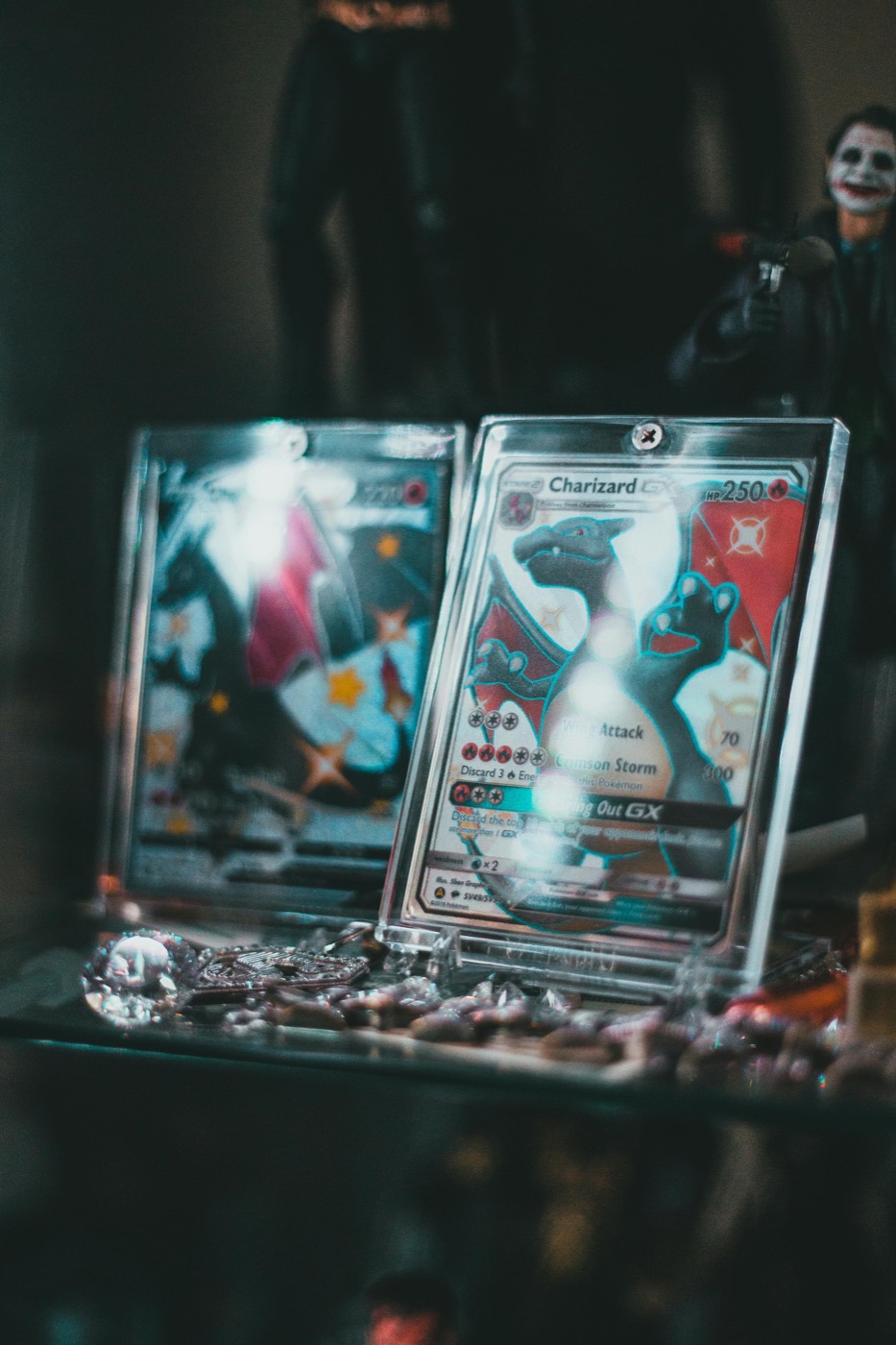
Theme decks are sealed products and card sources at the same time
Pokemon theme decks and starter decks are easy to overlook because they were built for play first. Collectors often focus on booster packs, booster boxes, and chase singles instead. But theme decks matter in two ways: sealed decks can become collectible products, and opened decks can contain specific cards, holo variants, or fixed deck lists that should be tracked differently from random pack pulls.
What a Pokemon theme deck is
A theme deck is a preconstructed Pokemon TCG deck sold as a playable product. Depending on the era, it may include:
- A fixed list of Pokemon, Trainer, and Energy cards
- A featured holo or exclusive presentation card
- A deck box, rule insert, counters, or coin
- Era-specific packaging art
- Sometimes a variant that differs from the equivalent set card
Because the list is fixed, a theme deck card is not rare in the same way a booster-pull card is rare. The question is whether the sealed deck, featured card, or deck-specific variant has collector demand.
Sealed deck vs. opened deck
Sealed theme decks are priced as products. Buyers care about box condition, wrap integrity, display appeal, era, featured Pokemon, and whether the product is complete. Opened decks are priced more like singles or partial product lots.
Before valuing a theme deck, decide which thing you have:
- Factory sealed deck
- Opened but complete deck
- Partial deck with missing cards
- Featured holo single removed from the deck
- Accessories only
That split matters because a sealed deck premium can disappear once the product is opened, even if the cards inside are still clean.
Deck cards can confuse set tracking
Some deck cards look identical to expansion cards. Others have a different holo treatment, non-holo treatment, stamp, or packaging-specific identity. If you are building a master set, decide whether deck variants count separately.
Good checklist fields include:
- Expansion set and card number
- Deck source, if the card came from a theme deck
- Holo or non-holo variant
- Condition and quantity
- Whether the sealed deck is still intact
The holo vs reverse holo guide and Pokemon card checklist guide help keep these variants from collapsing into one slot.
What makes a theme deck valuable
Theme deck value usually comes from a mix of era, character demand, sealed condition, and nostalgia. Older decks with popular featured Pokemon can command stronger prices, especially if sealed and displayable. Modern decks may remain close to retail unless they contain an unusually desirable card or become harder to find later.
For opened decks, completeness matters. A partial deck without the featured card is usually much less interesting than a complete opened deck with inserts and accessories.
How to store and track theme decks
Sealed decks should be stored like other sealed products: stable temperature, no crushing, no shelf rub, and photos of box condition. Opened decks should be tracked as either a complete product or as singles, but not both unless your tracker clearly separates product ownership from card ownership.
If you break a deck for singles, record the source before the packaging is gone. That context may matter later if the card has a deck-only treatment.
The simple rule
A Pokemon theme deck is valuable either as a sealed product or as a source of specific deck cards, but those are different collecting jobs. Track sealed condition, completeness, featured cards, and deck-only variants separately so your collection does not confuse a product with a pile of singles.