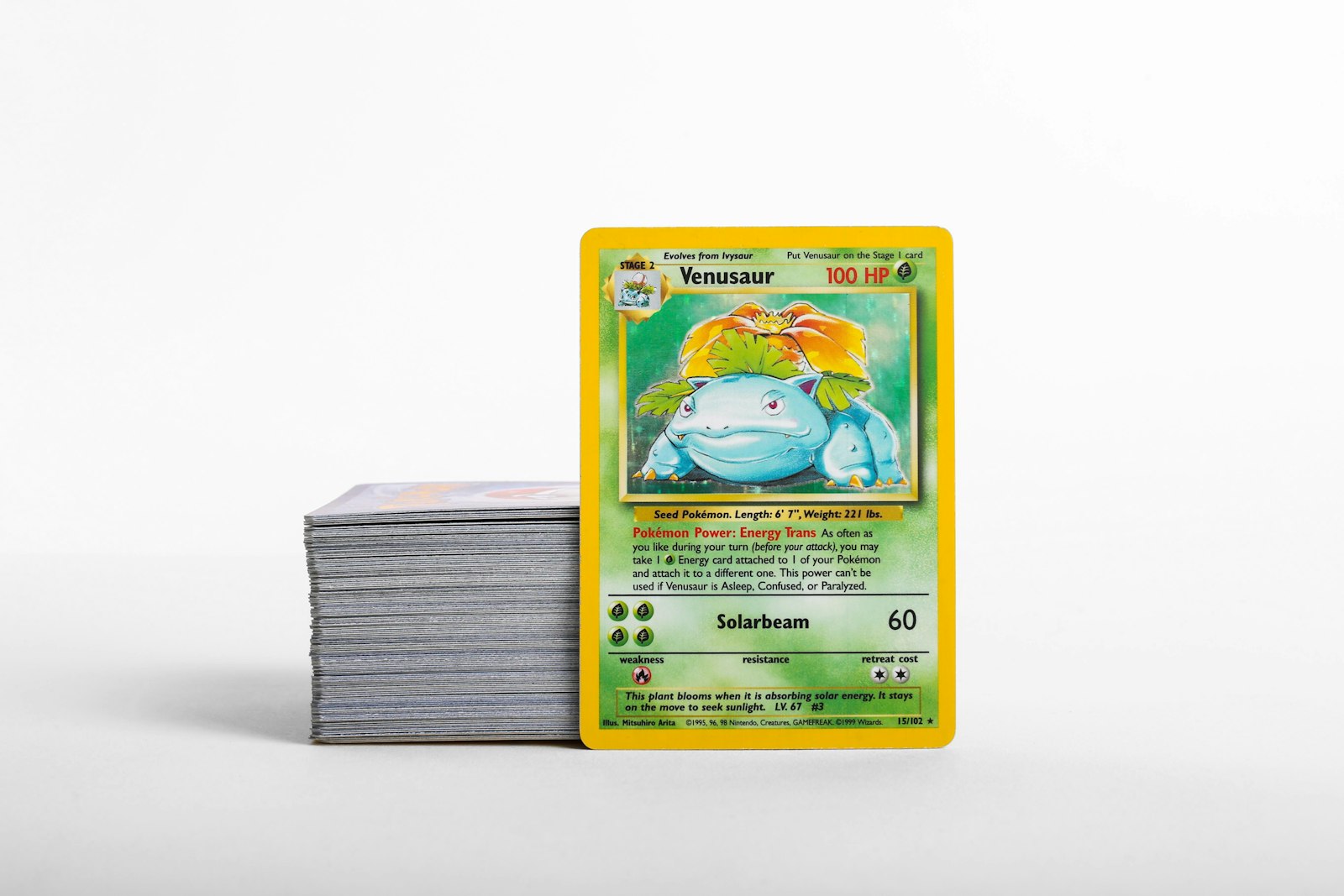
Every collector eventually faces the same dilemma: how to keep raw cards safe without spending more on plastic and storage gear than the cards themselves are worth. A successful Pokemon card storage strategy doesn't treat every card the same. Instead, it matches physical protection to three main variables: card condition, market value, and how often you plan to handle the card.
Storing a collection haphazardly leads to two major risks. On one hand, under-protecting valuable cards can result in scratches, edge wear, and warping that permanently destroys their condition. On the other hand, over-protecting low-value bulk cards wastes money that could otherwise go toward adding new chase cards to your collection.
By building a systematic, multi-tiered storage plan, you can protect your cards from environmental damage while keeping your collection organized and accessible.
1. The Three-Tier Sorting System for Protection
Before buying binders, boxes, or sleeves, you must categorize your collection. Treating every reverse holo like an ultra-rare secret rare will quickly drain your budget. A simple three-tier sorting system helps you allocate your protection budget where it matters most:
- Tier 1: Bulk and Common Cards: This tier includes standard commons, uncommons, non-holo rares, and basic energy cards. These cards are typically stored in bulk boxes with minimal individual protection.
- Tier 2: Mid-Range Hits and Playable Holos: This tier consists of standard holofoils, reverse holos, lower-value ultra rares, and competitive player staples. These cards deserve individual sleeves and placement in protective binders.
- Tier 3: High-Value Chase Cards and Grading Candidates: This tier features your most valuable cards, including alternative arts, secret rares, vintage classics, and cards you are keeping pristine for future grading. These cards require maximum physical protection, such as double-sleeving and hard cases.
To separate your cards into these tiers without guessing, it is helpful to use a reliable Pokemon card price checker to establish a baseline value for your raw cards. Once you know which cards carry real value, you can assign them to the correct storage tier.
2. Selecting the Right Sleeve for the Job
Sleeves are your first line of defense against dust, oils, and surface scratches. However, not all sleeves serve the same purpose, and using the wrong type can actually cause damage during insertion or removal.
- Penny Sleeves: These loose, clear polypropylene sleeves are highly cost-effective. They are perfect for Tier 2 cards and as the base layer before placing a card into a toploader. Because they are slightly oversized, they prevent edge friction when you slide the card in.
- Perfect-Fit Sleeves: These are designed to fit the exact dimensions of a standard Pokemon card. They are excellent for double-sleeving Tier 3 cards, but they must be handled with extreme care. Forcing a card into a tight perfect-fit sleeve can easily nick a corner or bend an edge.
- Deck Protector Sleeves: Featuring matte or textured backs, these offer rigid structure and are ideal for cards you plan to handle frequently or use in active play. They fit comfortably in most binder pockets.
When double-sleeving your top-tier cards, slide the perfect-fit sleeve over the top of the card first, then slide that assembly bottom-first into a standard penny sleeve or deck protector. This seals the card on all four sides, blocking out dust and moisture.
3. Binders vs. Storage Boxes: Access vs. Preservation
Your choice of storage format determines how easily you can enjoy your collection. Binders are built for display and browsing, while storage boxes are optimized for compact preservation.
#### Binders: Best for Display and Set Completion If you love looking through your cards or are actively working on completing a set, binders are the obvious choice. However, you should avoid cheap, three-ring metal binders. The metal rings can easily pinch binder pages or leave a permanent crease—often called a "binder ding"—on the cards stored closest to the spine.
Instead, opt for strap-closed or zippered binders with built-in, side-loading pages. Side-loading pockets prevent cards from sliding out of the top of the page when the binder is carried or stored on its side.
#### Storage Boxes: Best for Volume and High Protection For bulk cards and ultra-secure Tier 3 storage, boxes are superior. Heavy-duty cardboard bulk boxes with rows are the standard for organizing thousands of commons. For your toploaded or double-sleeved cards, look for rigid plastic storage cases or archive-grade card boxes with foam dividers. These keep your most valuable cards upright and prevent them from sliding around and knocking corners.
4. When to Use Toploaders and Magnetic Cases
While binders are great for browsing, they do not offer the structural rigidity needed to prevent physical bending or impact damage. This is where hard cases come in.
- Toploaders: These rigid plastic holders are the industry standard for shipping and storing valuable singles. Always place your card in a penny sleeve before putting it into a toploader. This prevents the rough, hard plastic of the toploader from scratching the card's surface during insertion.
- Magnetic One-Touch Cases: These premium cases offer incredible display appeal and excellent physical protection. However, they are best suited for cards that are completely flat. If a foil card has naturally curled due to humidity, forcing it into a magnetic case can pinch the edges or put uneven pressure on the surface.
5. Environmental Factors: Temperature, Humidity, and Light
Even the best sleeve and box combination can't protect your cards if your storage environment is unsafe. Paper and foil react strongly to their surroundings. Keep these three environmental rules in mind:
- Control the Humidity: Pokemon cards absorb moisture from the air. High humidity causes foil cards to warp and bend into a curve. Low humidity can make vintage paper brittle. Aim to store your collection in an environment with a relative humidity of 35% to 45%. Placing silica gel packets inside your storage boxes is an easy way to absorb excess moisture.
- Avoid Temperature Extremes: Do not store your collection in uninsulated attics, damp basements, or garages. Rapid temperature swings cause materials to expand and contract, which can compromise card flatting and weaken binder page seams.
- Block UV Light: Direct sunlight and harsh fluorescent lighting fade ink over time. Never display raw cards where they receive direct sunlight. If you display cards on shelves, use UV-resistant cases and rotate your displays regularly.
6. Keeping Your Physical Storage in Sync with Digital Records
As your collection grows, finding a specific card inside a sea of binders and storage boxes becomes increasingly difficult. Pulling cards out of their protective sleeves just to verify their set number, variant, or condition notes introduces unnecessary handling risk.
To solve this, you should build a digital inventory of your collection before you pack your cards away. Using a fast Pokemon card scanner allows you to log your cards instantly, capturing their exact set details, printing variations, and condition notes in a digital format.
By maintaining a digital twin of your collection on a Pokemon collection app, you can browse your cards, check values, and plan future trades from your phone without ever risking physical wear on your actual cards. This keeps your physical cards safely tucked away in their optimal storage environments while keeping your collection fully searchable.
Protect and Track Your Collection with PokeSnap
Building a great storage strategy is only half the battle; keeping track of what you own is the other. With PokeSnap, you can scan your cards instantly, identify exact variants, and track your collection's value over time. Organize your physical collection into binders and boxes, and let PokeSnap handle the digital organization. Download PokeSnap today to simplify your inventory and protect your collection's legacy.