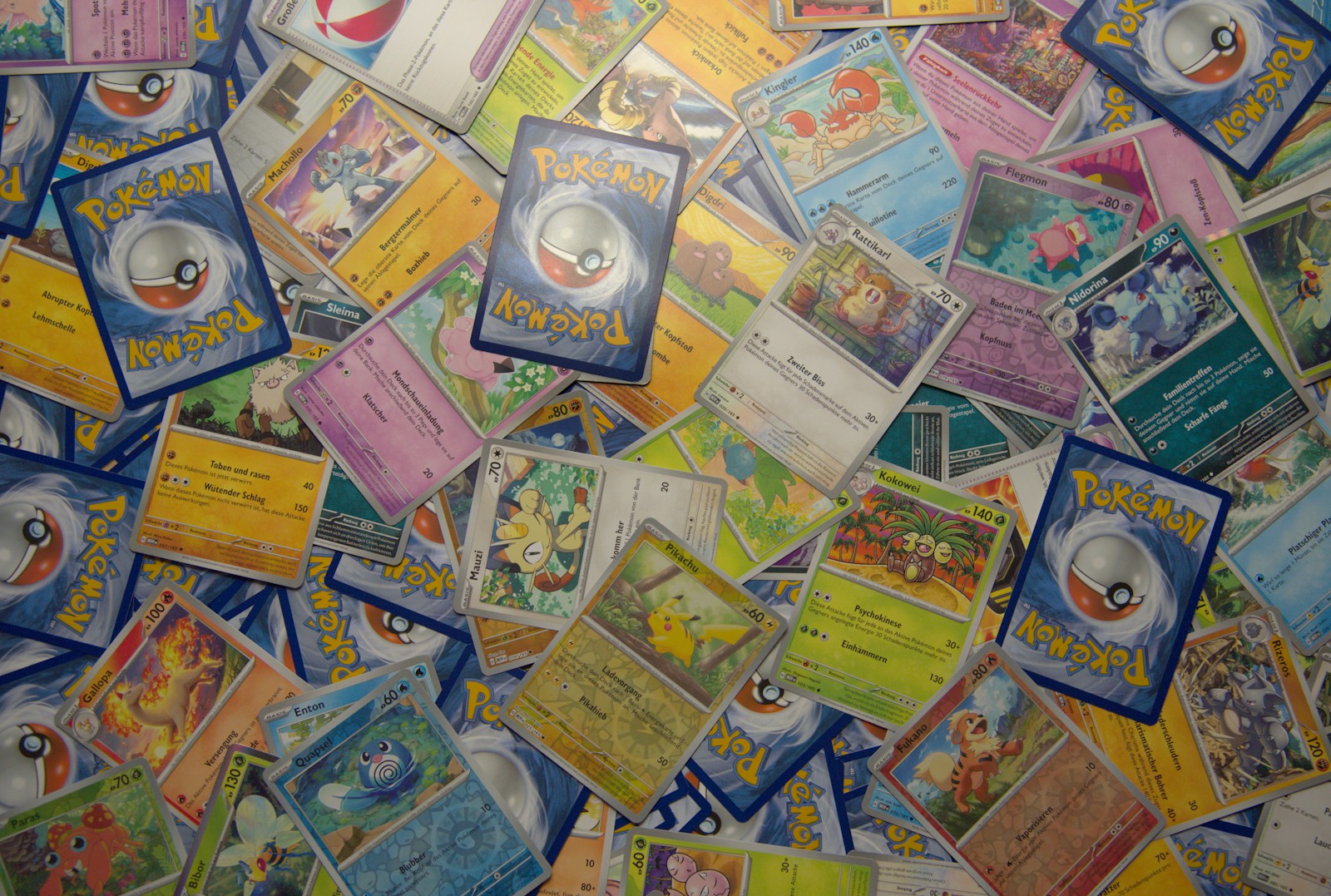
A budget ceiling makes buying calmer
Pokemon card singles are easy to justify one at a time. The problem starts when every copy feels like a small exception. A budget ceiling gives you a number before the auction, shop case, or marketplace search starts pushing you around.
The goal is not to make collecting rigid. It is to decide what a card is worth to your collection before excitement writes the number for you.
Start with the exact card
Do not set a ceiling from the character name alone. Confirm the set, collector number, language, variant, and whether you are looking at raw or graded copies.
Use the Pokemon card scanner or manual lookup before comparing prices. A chase card, promo, reverse holo, and regular print can all deserve different ceilings even when the name looks familiar.
Separate want from priority
Every card on a wantlist is not equally important. Before choosing a maximum price, mark the card as:
- Must-have gap
- Nice upgrade
- Duplicate for trade
- Long-term watchlist
- Placeholder copy
The new set wishlist planner and set gap priority guide help you avoid paying premium prices for low-priority cards.
Build the ceiling from real cost
The price on the listing is not the full cost. Include tax, shipping, seller fees that affect total checkout price, grading fees if relevant, and any supply cost needed to store or protect the card.
If a card lists at $18 but lands at $25 after shipping and tax, your ceiling was not really $18. Write the landed number so comparisons stay honest.
Use the market price vs listing price guide before trusting a single asking price.
Adjust by condition
A near mint ceiling should not apply to a light play card. Write condition bands instead of one universal number:
- Clean near mint copy
- Binder copy with small flaws
- Played placeholder
- Damaged copy for completion only
The condition tier guide keeps this quick. If photos are weak or flaws are unclear, lower the ceiling or skip the card.
Add a waiting rule
Some cards are worth buying today. Others are better watched for a week, a set reprint, a post-release dip, or a local shop opportunity. A waiting rule stops a budget ceiling from becoming an instant-buy trigger.
Examples:
- Buy under $20 if condition is clean
- Watch until three recent sales support the number
- Wait for local inspection only
- Buy damaged only under placeholder price
The price drop alert guide is useful when the ceiling should become an alert instead of a manual search habit.
Record the decision
Save the ceiling in your Pokemon card collection app or wantlist with date, condition target, and why the number makes sense. When the market changes, update the rule instead of relying on memory.
If you buy the card, log price paid and condition right away so future upgrades can be compared against the real copy you own.
The simple rule
A Pokemon card singles budget ceiling should combine exact identity, collection priority, landed cost, condition, and timing. Set the number before you shop, then let the ceiling protect your collection from small impulse buys that add up fast.