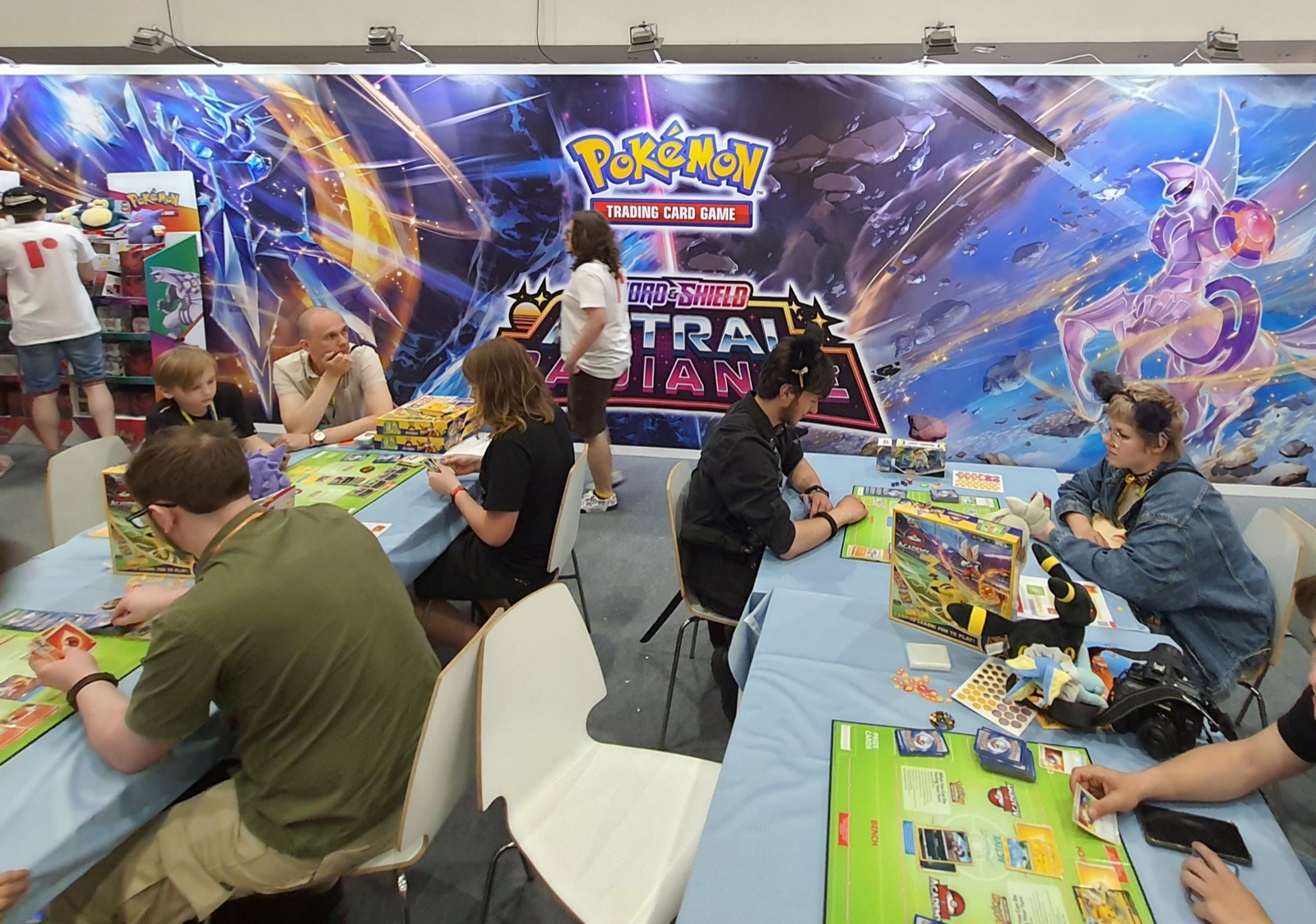
A card show goes better when the decisions are made before you arrive
Collectors often lose momentum at shows because too many decisions are still unresolved in the backpack. Which cards are for trade? Which ones are only for sale? Which ones still need a value check? Which cards are you actually hunting?
The best prep is simple: decide those lanes before the event, not in the middle of a crowded table conversation.
Scan the cards that still have identity risk
If a trade card still has uncertain set details, promo confusion, or language ambiguity, resolve that first. A fast pass through the Pokemon card scanner can clean up the cards most likely to create hesitation later.
This matters because shows reward speed. The less time you spend debating what a card actually is, the easier it becomes to focus on value and fit.
Price the cards that could realistically move
You do not need live pricing for every card in your bag. You need pricing confidence for the cards that are most likely to anchor a trade or sale conversation. Usually that means:
- cleaner hits
- popular promos
- stronger duplicates
- cards you are willing to move if the deal is right
Run those through the price checker before the event so you arrive with a believable range instead of vague optimism.
Separate your keep cards from your move cards
One of the easiest mistakes at a card show is bringing cards without a clear lane. If a card is not actually available, it should not live in the same pocket as your trade inventory. Separate:
- permanent keepers
- trade binder cards
- sale-only cards
- wants list targets
If your binder structure still needs work, compare with Pokemon card binder guide before the event.
Pack for handling, not just transport
A show bag should support quick handling. That usually means sleeves, top loaders or semi-rigids for sensitive cards, a pen, and enough structure that cards do not slide into each other while you move between tables.
The goal is not to bring your whole room. The goal is to make it easy to show cards, protect them, and put them away without creating wear.
Track what leaves and what comes back
Shows create inventory drift fast. A few trades and one purchase can scramble your memory before the drive home ends. That is why a collection app matters in show prep. If your trade and sale cards are logged before you leave, it becomes much easier to reconcile what changed afterward.
This is also the easiest way to keep duplicates from multiplying invisibly after a busy event.
Bring a short wants list so good opportunities are obvious
A show is noisy, so your wants list should be short and specific. Instead of “anything cool,” bring the exact cards or sets you want to target. That helps you say yes faster when the right copy appears and no faster when the card does not actually fit your collection goals.
For gap-focused prep, pair this with how to check which Pokemon cards you are missing.
The simple rule
The best Pokemon card show prep checklist is the one that resolves identity, price, packing, and inventory before you walk in. Card shows move quickly, so the collector who already knows what they have and what they want usually makes the cleaner decisions.
If you want your trade side to be sharper too, compare this with Pokemon card trade value guide before the event.