What "secret rare" actually means in Pokemon
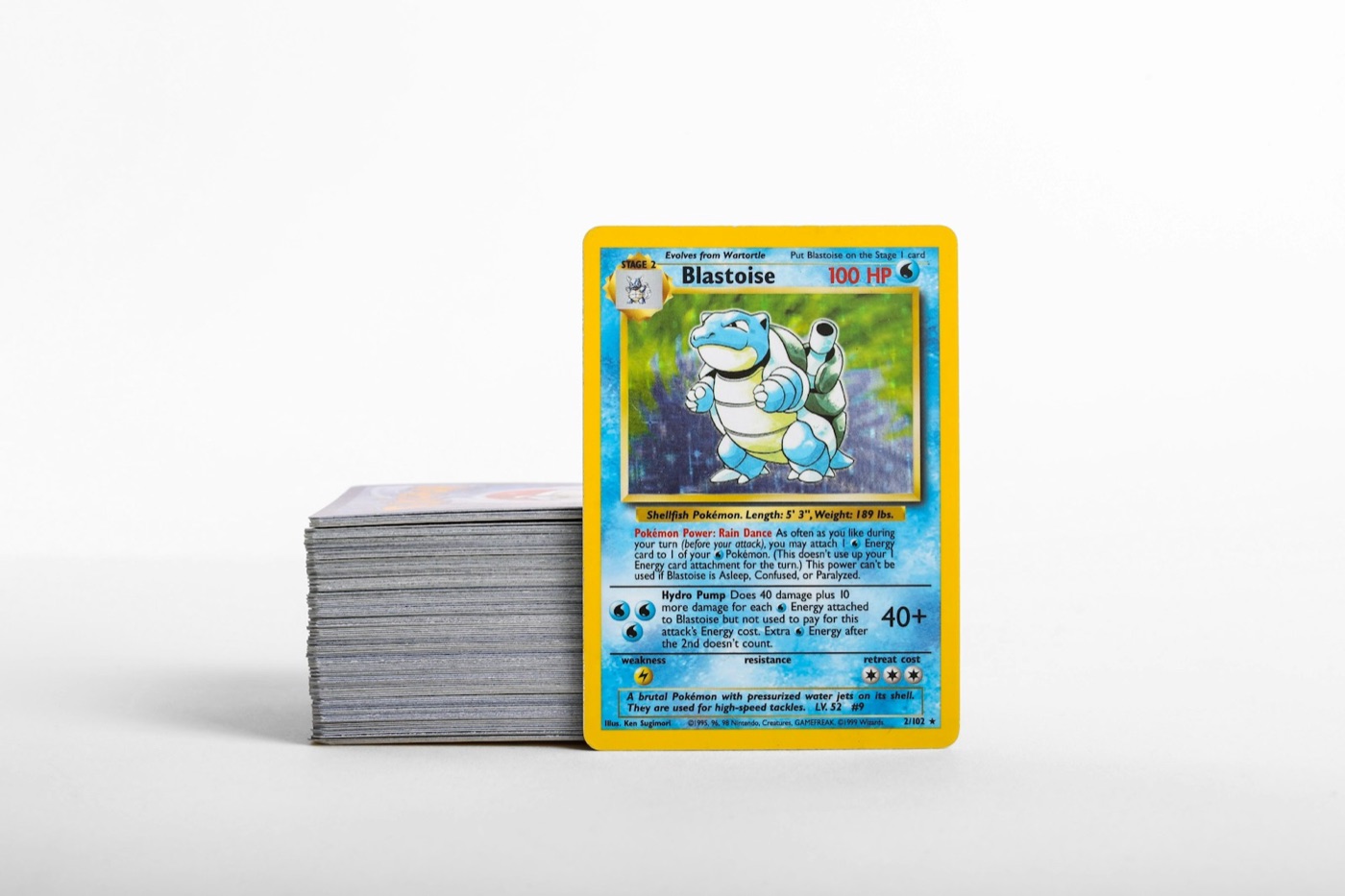
A secret rare is a card whose collector number is higher than the printed set total. If a set says "/198" on every regular card, anything numbered 199, 200, 201 and beyond is a secret rare. The name comes from the fact that these cards are not advertised in the set list — they were a "secret" beyond the official count.
Secret rares are designed to be chase pulls. They are usually rarer than ex, V, or VMAX cards in the same set and often feature alternate art styles, gold treatments, or rainbow rare patterns. That is why so much of the conversation around modern Pokemon TCG value focuses on them.
How to identify a secret rare at a glance
The fastest tell is the collector number itself, not the artwork. Compare the number on your card to the printed set total and you'll know immediately whether it is a regular print or a secret rare.
A quick identification checklist:
- Collector number higher than the printed set total
- Visibly different treatment from the standard set print
- Common modern styles: gold cards, rainbow rares, special art rares, alternate arts
- Often a thicker or shinier holo pattern
- Frequently the most expensive card from the set on release
The how to read Pokemon card set symbols and numbers guide explains how to read the collector number correctly; the secret rare definition rests entirely on that comparison.
Why secret rares exist
From a design perspective, secret rares serve two roles: they reward dedicated pull rates, and they create a clear chase target for set releases. The same set might have a normal V version of a Pokemon, then a full art V, then a secret rare gold or alternate art V — each one rarer than the last.
For collectors, that creates a layered economy:
- The regular print is the affordable copy
- The full art is a step up
- The secret rare is the chase
The Pokemon card alt art guide and Pokemon card investment guide cover the modern chase economy in more detail; secret rares sit at the top of that pyramid for most sets.
Confirm identity before pricing a secret rare
It is easy to confuse a secret rare with a full art or rainbow rare from the same set when you are scrolling listings. The collector number is what separates them, not the artwork style alone.
Before pricing any potential secret rare:
- Read the collector number off the card itself
- Compare against the printed set total
- Match the exact name and printing against a database
- Note the holo pattern and treatment
- Confirm the language and region
The Pokemon card scanner, how to identify Pokemon cards from a picture, and how to check Pokemon card prices cover the identity-to-price flow that secret rares depend on.
Condition has an outsized effect on secret rare value
Because secret rares are usually the most expensive card in a set, the premium between a clean copy and a damaged one can be dramatic. Holo wear, edge whitening, and centering issues can change the value tier completely.
Inspection priorities:
- Centering inside acceptable tolerances
- Surface free of fingerprints and micro-scratches
- Edges clean with no whitening
- Corners sharp under direct light
- Holo pattern free of bubbles or print lines
The Pokemon card condition guide, Pokemon card centering guide, and Pokemon card surface damage guide cover the inspection routine that high-end secret rare value depends on.
Storage rules for secret rare pulls
A secret rare deserves more careful handling than a generic uncommon — not because it is fragile, but because the financial cost of a small ding is much higher. Storage should match the value tier.
A reasonable storage plan:
- Penny sleeve immediately on pull, edges only
- Toploader or semi-rigid for daily protection
- Magnetic case for grade-candidate copies
- Stored away from light, heat, and humidity
- Separated from bulk and from frequently handled binders
The Pokemon card pack-fresh handling guide, Pokemon card storage box guide, and Pokemon card double sleeving guide cover the storage layers that secret rare condition depends on.
Grading is often the right move for secret rares
Because the gap between grade tiers is so large on these cards, secret rares are a frequent candidate for grading. A near-mint raw copy and a gem-graded copy of the same secret rare can trade in very different price brackets.
Before submitting:
- Confirm the condition honestly under good light
- Estimate the expected grade band
- Check the cost of grading and turnaround
- Compare against recent graded comps at each band
- Decide whether the math clears at the realistic grade
The Pokemon card grading guide, Pokemon card grading cost guide, Pokemon card grading turnaround guide, and how to compare raw and graded Pokemon card prices cover the math behind the secret-rare grading decision.
Price secret rares against recent, like-for-like comps
The biggest pricing mistake collectors make on secret rares is using the headline number from a few weeks ago. These cards can move quickly with set hype, restocks, and new product reveals.
Better comping habits:
- Look at the last 30 days of sales for the exact print
- Filter for the same condition tier
- Separate raw and graded comps
- Watch for set re-prints that can soften the market
- Notice when a card is trending up versus rolling over
The how to find Pokemon card comps, Pokemon card price checker, and Pokemon card price targets guide cover the comping routine that protects you from over- or under-pricing a secret rare.
Track each secret rare individually in your collection
A secret rare deserves its own entry in your tracker, not a generic "set chase" tag. The grade tier, condition notes, storage location, and reference value should all live in one place.
A minimal record per secret rare:
- Card name, set, collector number, variant
- Condition note with specific defects
- Storage location and protection level
- Raw, sleeved, or slabbed status
- Acquisition source and cost
- Latest market reference value
The Pokemon collection app, how to digitize your Pokemon card collection, and Pokemon card portfolio tracker guide cover the tracking infrastructure that makes secret rare holdings visible.
Decide deliberately whether you collect or trade secret rares
Some collectors keep every secret rare they pull. Others trade or sell to fund chases they care about more. Neither approach is wrong — but the decision should be deliberate, not a habit.
Questions to settle before each pull session:
- Is this set within my collecting scope?
- Will I keep secret rares from sets I do not actively chase?
- What is my floor for selling a secret rare?
- How do I decide between holding and flipping?
- Does my tracker reflect those rules?
The Pokemon card collection goals guide, how to decide which Pokemon cards to sell, and how to flip Pokemon cards cover the keep-or-sell side of secret rare ownership.
A simple secret rare checklist
Before treating a card as a meaningful pull:
- Is the collector number above the printed set total?
- Is the exact print correctly identified across set, name and variant?
- Does the condition support the value tier you are claiming?
- Have you compared like-for-like recent sales?
- Is the storage and handling plan matched to the value?
The simple rule
Secret rares are not magic; they are simply the rarest cards in a set, with the value tier and the responsibility that come with that. The collectors who do well with them treat each one with the same discipline they would apply to any other meaningful purchase — confirm identity, judge condition honestly, comp against real recent sales, and store the card like it matters. Skip any of those steps and a secret rare quickly becomes an ordinary card with a bigger asking price.