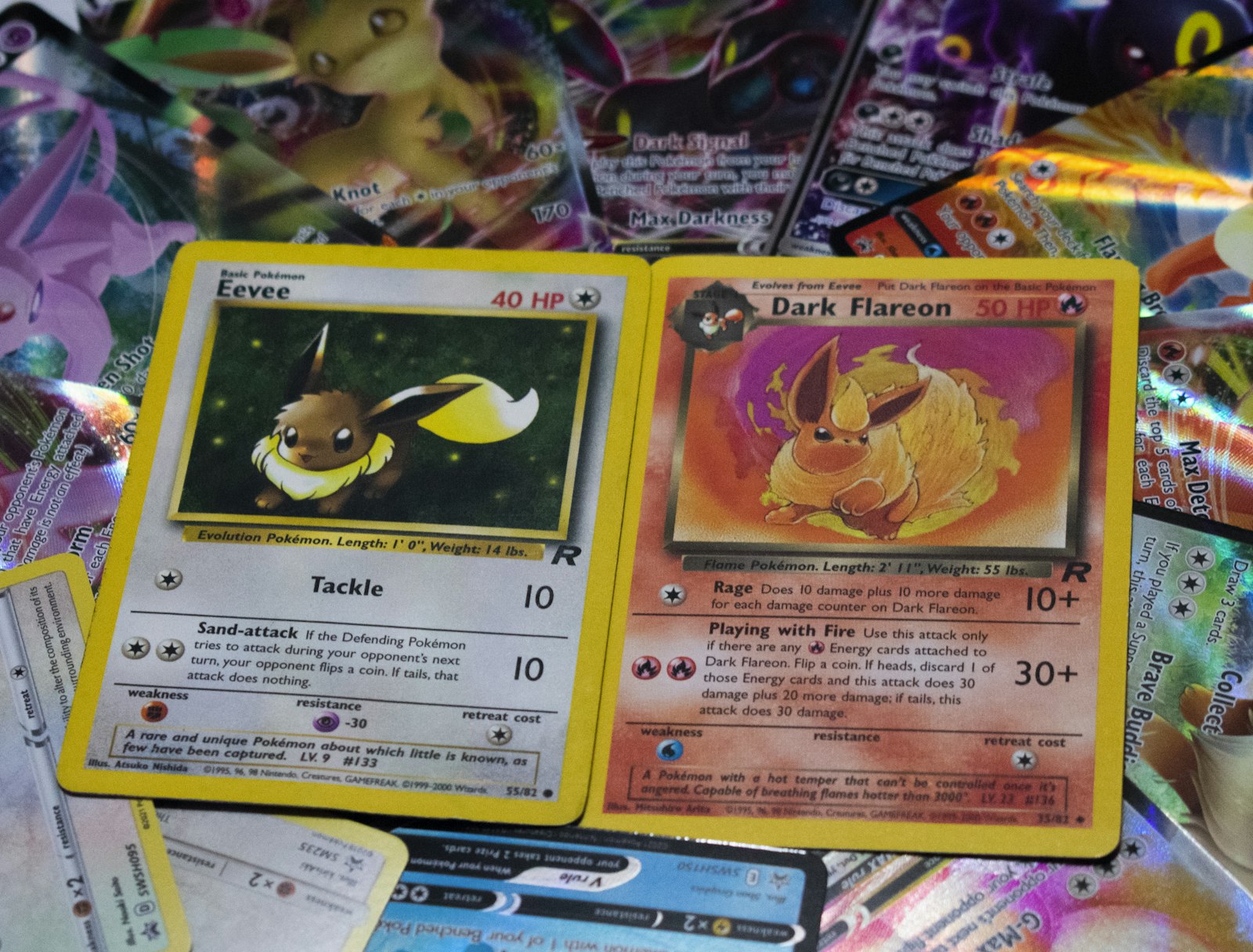
A scan is only useful if the saved card is correct
Pokemon card scanners are helpful because they remove repetitive lookup work. But scanning is not the end of the workflow. Before you save a card, confirm the details that make the record trustworthy.
A simple checklist prevents the most common collection mistakes: wrong set, wrong variant, duplicate confusion, and missing condition context.
Confirm the exact set
Many cards share names and artwork patterns across releases. Do not save a card based only on the Pokemon name. Check the set name, set symbol, or set code when the app offers a match.
This matters most for popular Pokemon, trainer cards, promos, reprints, and cards with similar artwork. If you are uncertain, compare against the set symbols guide before saving.
Check collector number and language
The collector number is one of the strongest clues for exact identity. Look at the number at the bottom of the card and compare it to the scan result. Also confirm language, especially if your collection mixes English and Japanese cards.
For Japanese cards, set structure and numbering can feel different from English releases. The Japanese card scanning guide is useful if those cards are part of your normal workflow.
Look for variant details
A scan can identify the right base card and still miss a meaningful detail. Before saving, check for:
- Reverse holo
- Promo stamp
- Special release mark
- Alternate art
- First edition or era-specific markings where relevant
- Graded versus raw status
Variant mistakes become painful later because they affect pricing, trade value, and checklist progress.
Add condition while the card is in front of you
Condition notes are easiest to add during the scan session. Look at corners, edges, surface, centering, dents, and obvious whitening before the card goes back into a sleeve or binder.
You do not need a full grading report for every card. But for meaningful cards, a short note saves future work. Pair this with the condition notes guide if you want a repeatable format.
Set quantity correctly
If you already own the card, decide whether the scan is a new copy, an upgraded copy, or a duplicate that should move into trade or sale inventory. Do not blindly add quantity without checking which copy the app already knows about.
The collection tracker guide explains why quantity and per-copy details need to stay separate for serious collections.
Add value context only after identity is clear
Pricing should come after exact identity. If the set or variant is wrong, every price signal becomes noise. Once the match is confirmed, use the Pokemon card price checker for context and mark cards that deserve alerts or follow-up.
For cards you plan to trade or sell, use how to check Pokemon card prices before you trade or sell before making a decision.
The simple rule
Before saving a scanned Pokemon card, confirm set, collector number, language, variant, condition, quantity, and value context. A few seconds of review protects the collection record from cleanup work later.