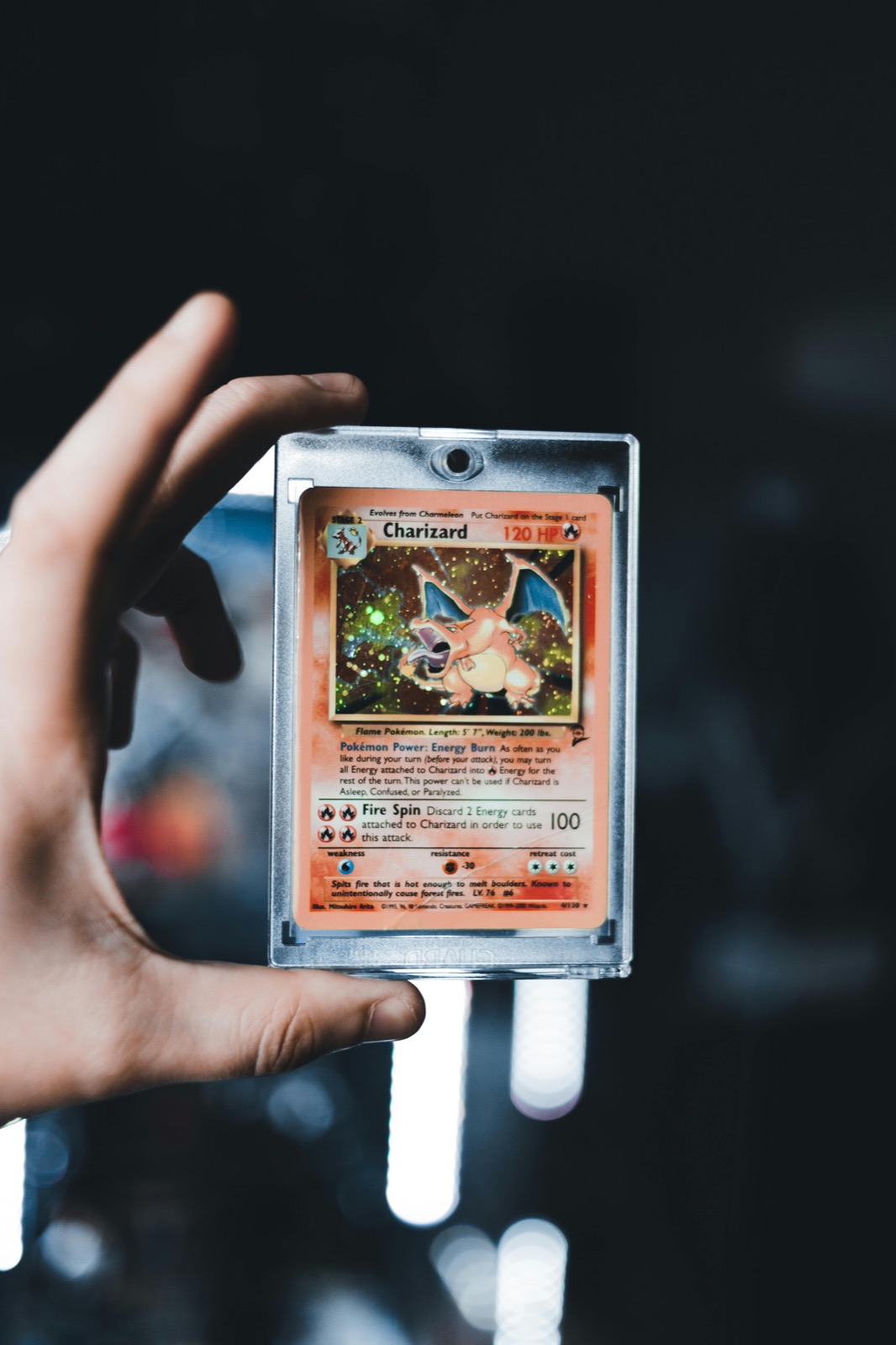
Reprints are where casual pricing goes wrong
Pokemon cards can share a name, character, attack, or even very similar artwork while belonging to different sets and price lanes. That is why asking "what is my Charizard worth?" is not specific enough. The real question is which Charizard, from which set, in which variant, and in what condition.
Reprints are not a problem if you identify them correctly. They become a problem when you price one version using another version's market.
Start with the collector number and set context
The collector number is usually the fastest way to separate similar versions. It tells you where the card sits inside its set and helps narrow the candidate pool before artwork or condition enter the discussion.
When checking a possible reprint, capture:
- collector number
- set symbol or set name
- copyright year
- language
- promo stamp or special mark
If you are still learning those cues, start with how to read Pokemon card set symbols and numbers before comparing prices.
Artwork can help, but it should not be your only proof
Some reprints reuse familiar character poses or visual themes. Others look completely different while sharing the same Pokemon name. Artwork is useful, but it can mislead you if you stop there.
A Pokemon card scanner helps because it can combine visual match, text, and catalog context. Still, collectors should confirm the suggested version before saving it to an inventory or using it for value decisions.
Promos and special prints need extra attention
Promos, stamped cards, tournament cards, special collection cards, and regional releases can all sit outside the normal set logic. A card may look like a familiar set card but belong to a different release path.
Watch for:
- promo numbering
- event or product stamps
- alternate holo treatment
- language-specific release differences
- packaging-exclusive versions
Those details can change both demand and the pool of comparable sales.
Do not compare raw prices across versions
Once you suspect a reprint, avoid grabbing the highest price attached to the Pokemon name. Compare only the same version, then filter by condition. A clean copy of a lower-demand reprint may still be worth less than a worn copy of a more chased version, and the reverse can also happen.
For valuation, use the Pokemon card price checker after identity is settled. If condition is the next question, continue with how to price Pokemon cards by condition.
Reprints matter for collection tracking too
A collection app should treat exact versions as separate records. If you log every similar card under one broad name, duplicates, set progress, and total value become unreliable. This is especially painful for collectors building master sets or character pages.
That is why a Pokemon card collection app should preserve exact card identity instead of collapsing everything into a generic Pokemon name.
The simple rule
To tell which reprint or version of a Pokemon card you have, identify the collector number, set context, language, and special marks before you compare prices. Similar names are not enough. Exact identity is what keeps scanning, pricing, and collection tracking honest.
If you are checking a card before buying it, pair this guide with how to inspect Pokemon cards before you buy so identity and condition get reviewed together.