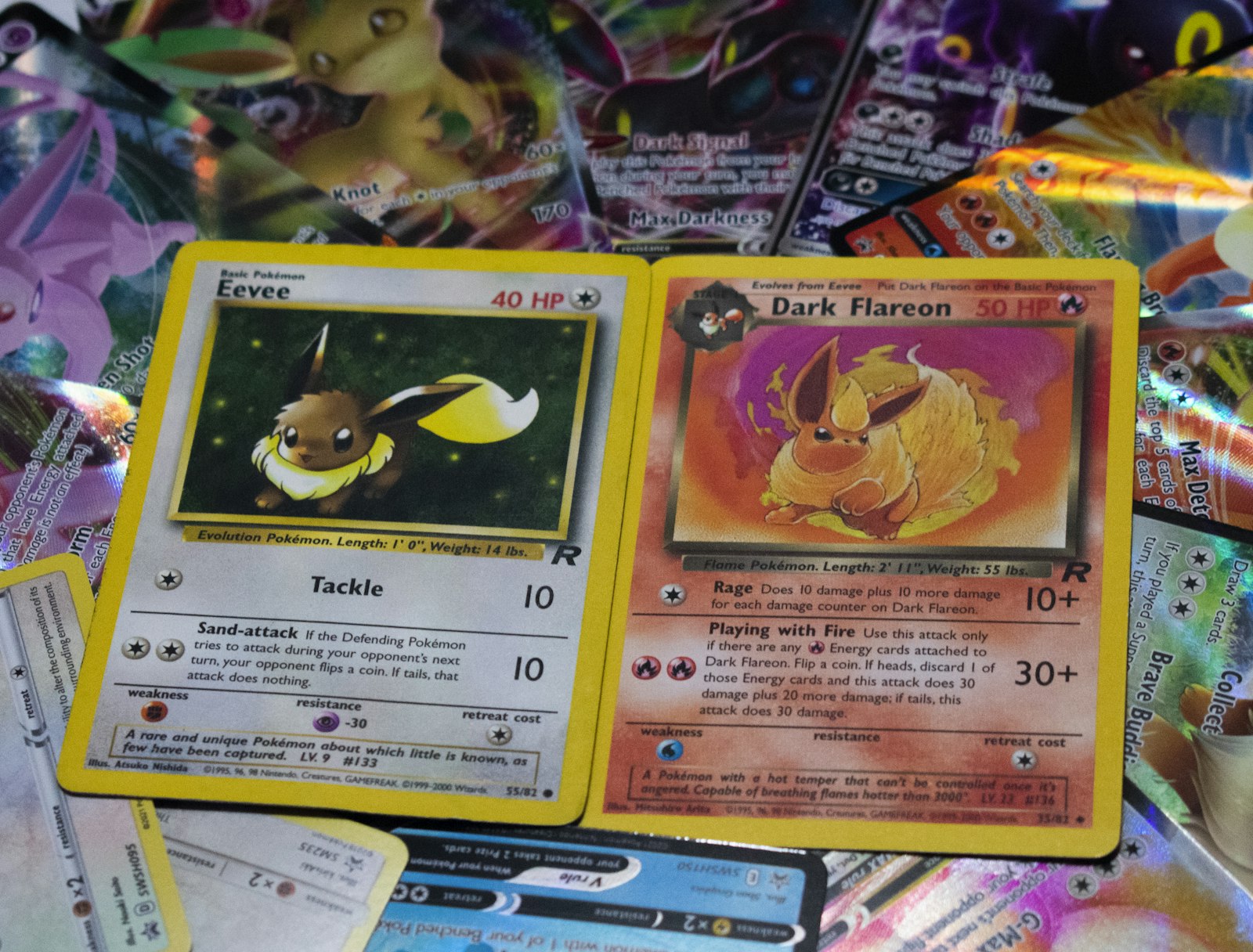
Reprints can change the buying decision fast
Pokemon card reprints do not affect every card the same way. Some wishlist singles barely move. Others soften quickly when more sealed product reaches stores, more copies enter the market, or collectors stop treating a card as scarce.
A Pokemon card reprint alert plan gives you a calmer way to react. Instead of buying from fear, you decide which cards deserve monitoring, which prices would trigger action, and which signals are too weak to matter yet.
Start with cards where reprints would actually matter
Do not track every card in your collection. Reprint alerts are most useful for cards you have not bought yet or cards where market timing changes the decision. Build a short list around:
- Modern chase singles still near release-week hype
- Set staples you need for a master set
- Sealed product tied to a specific expansion
- Cards you want but do not need urgently
The wantlist price ladder guide is useful here because it turns a vague wishlist into target prices.
Separate rumors from confirmed supply
Collectors often react to screenshots, restock comments, and vague distributor chatter before anything has actually changed. A useful alert plan separates weak signals from stronger ones.
Weak signals include social posts, single-store restocks, and one seller dropping price. Stronger signals include repeated retail waves, official product availability, many new listings, and several marketplaces showing softer sold prices.
You do not need to ignore rumors. You just should not treat them like confirmed supply.
Set a buy zone before the alert fires
The worst time to decide your target price is after a card starts falling. Write the range in advance. For each card, record:
- Current price range
- Comfortable buy price
- Walk-away price
- Condition or language requirements
Use the price checker routine guide to refresh those numbers without checking the same card every day.
Watch sealed product and singles together
Reprints often show up in sealed product first. If booster boxes, elite trainer boxes, or booster bundles return at normal retail, singles may follow after people open more product. The lag is not guaranteed, but it is worth watching.
Pair this with the sealed product storage map guide if your plan includes holding sealed boxes instead of only buying singles.
Keep alerts tied to action
An alert is only useful if it tells you what to do next. Label each watched card with a next action such as buy at target, wait for more supply, replace with cheaper language, or skip until set rotation.
If a card no longer fits your collection goal, remove it from the alert list. The wishlist cleanup routine helps keep old wants from cluttering the plan.
The simple rule
A Pokemon card reprint alert plan protects you from panic buying. Track only cards where supply would change the decision, separate rumors from confirmed restocks, write target prices before alerts fire, watch sealed product and singles together, and connect every alert to a clear next action.