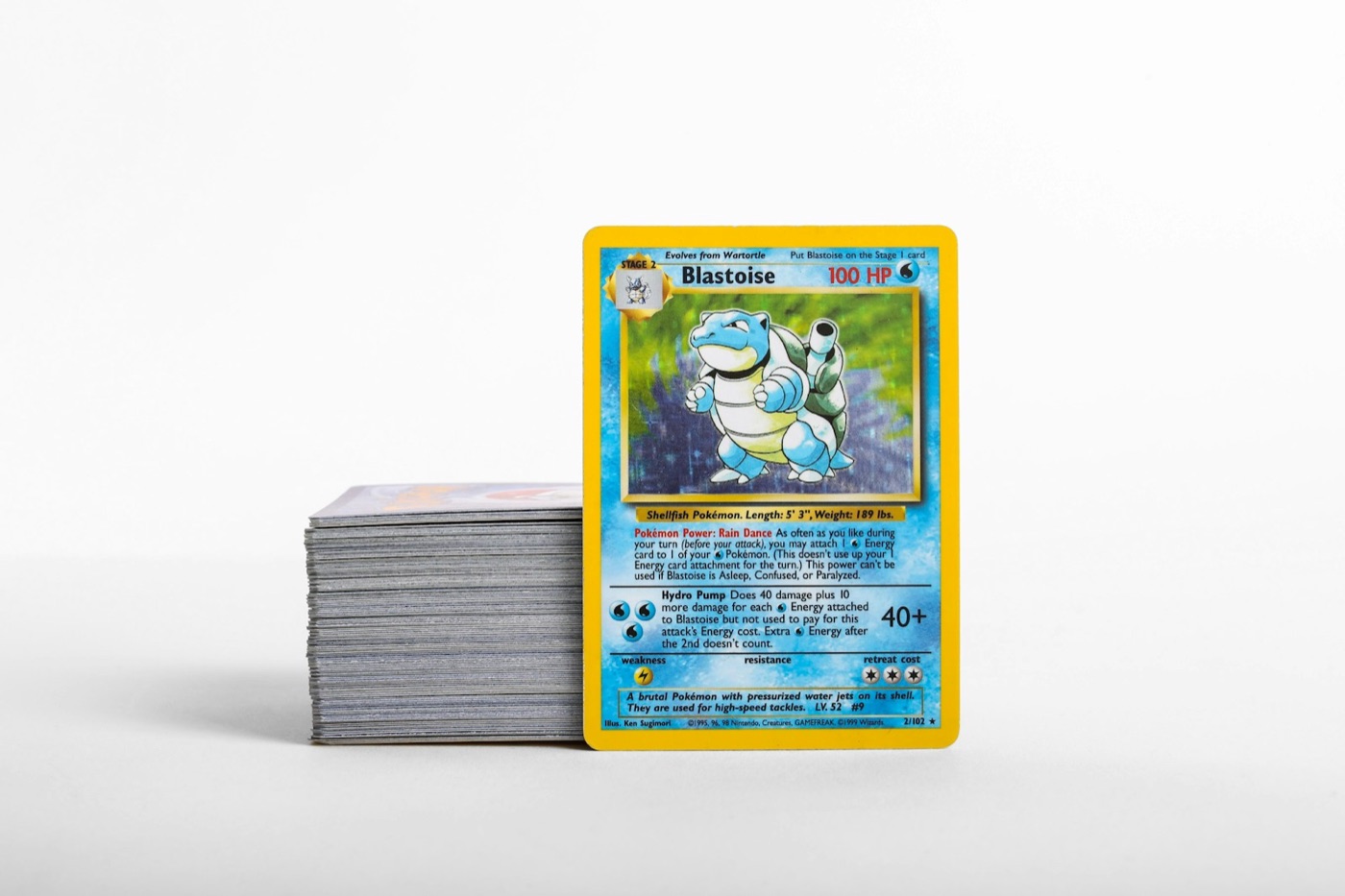
Every active Pokemon TCG collector knows the feeling of returning home from a trade night, card show, or mailbox run with a stack of raw singles, fresh pulls, and traded hits. When enthusiasm is high, it is easy to drop those cards onto a desk and promise to deal with them later. But without a structured receiving routine, unsorted stacks quickly turn into backlog piles. Duplicates get mixed into trade binders, raw chase cards sitting without penny sleeves risk micro-scratches, and digital inventories fall behind reality.
Establishing an efficient receiving routine solves this bottleneck permanently. By creating a repeatable physical and digital intake process, you can move cards from loose stacks into organized binders and boxes in minutes while keeping your collection records perfectly accurate.
Why Every Active Collector Needs a Dedicated Receiving Routine
When you buy or swap cards across multiple channels—such as local card shops, online marketplaces, and trade meets—the primary operational challenge isn't acquiring cards; it's tracking them.
Without an intake workflow, collectors face three common issues:
- Duplicate Purchases: Rebuying cards you already acquired because your digital binder was not updated after a trade.
- Physical Wear: Raw foil cards left sitting on desks or stacked loosely acquire edge whitening and surface scuffs.
- Lost Cost Context: Forgetting what you traded or paid for a single makes future valuation and trade balancing confusing.
A structured receiving routine acts as a gatekeeper for your collection. It ensures every card entering your workspace is inspected, digitized, protected, and assigned a permanent physical storage location before your desk clears.
Stage 1: The Pre-Sorting Protocol (Isolate, Sleeve, and Triage)
The first rule of card receiving is simple: never scan or log a card until it is physically protected and grouped into manageable operational tiers. Set up your intake desk with a clean playmat, fresh penny sleeves, top loaders, and labeled sorting trays.
Follow this three-step pre-sorting method:
- Physical Inspection: Quickly examine edges, corners, and holo surfaces under direct light. Identify raw cards that require extra protection or immediate condition notes.
- Immediate Sleeving: Insert modern textured cards, illustration rares, and vintage holos into standard clear penny sleeves immediately. Never let raw card surfaces rub against hard surfaces during cataloging.
- Category Triaging: Separate your intake batch into three distinct trays:
- Set Fillers & Master Set Candidates: Binder-bound cards intended for specific expansion binders.
- Trade Binder Inventory: Extras, duplicates, and trade bait ready for immediate swapping.
- High-Value / Grading Candidates: Near-mint singles slated for top loaders, semi-rigids, or long-term box storage.
Pre-sorting reduces handling friction and keeps high-value hits protected while you process high-volume bulk or set commons.
Stage 2: Fast Digital Batch Intake with Mobile Scanning
Manual data entry is the main reason intake routines fall apart. Typing set numbers, card names, and expansion names into a spreadsheet for dozens of cards takes hours and leads to typo errors—especially when identifying subtle variant prints, parallel reverse holos, or promo stamps.
Streamline this phase by using a dedicated Pokemon card scanner app. An instant visual camera scan identifies set logos, expansion numbers, and variant details in seconds.
To maximize batch scanning efficiency:
- Align your camera directly above your playmat using consistent, non-glare room lighting.
- Scan cards immediately after penny-sleeving to avoid handling raw surfaces twice.
- Verify set symbols and variant flags (such as reverse holo vs standard finish) before approving each batch entry.
Batch scanning compresses an hour of manual spreadsheet logging into five minutes, giving you instant digital confirmation that every incoming pickup is accounted for.
Stage 3: Dynamic Price Baseline and Collection Integration
Once your incoming cards are scanned into your digital staging queue, assign baseline market context before routing them to physical storage. Knowing your acquisition value baseline is critical whether you plan to trade, sell, or hold cards long-term.
Leveraging a built-in Pokemon card price checker allows you to review recent market comparisons immediately upon intake.
During this stage, perform two quick checks:
- Record Acquisition Cost or Trade Credit: Tag the card with what you paid or swapped for it so your total collection cost basis stays transparent.
- Set Trade Floor Values: If a card is headed straight to your trade binder, note its current market baseline so you don't accidentally undervalue it during local trade swaps.
Documenting baseline values during intake eliminates the guesswork when someone asks for comps at your next local card event.
Stage 4: Routing Singles to Binders, Slabs, and Storage Bins
With your batch scanned and logged, move cards out of your intake staging trays and into their permanent storage locations. A disciplined collector never leaves a receiving queue sitting overnight.
Route your cards according to these storage protocols:
- Master Set Binders: Place set cards into side-loading binder pages ordered by card number. If you are completing a master set, slide binder placeholders or keep empty slots open for missing gap cards.
- Trade Binders: Group trade bait by rarity tier or era so potential trade partners can browse easily without shuffling loose cards.
- Toploader & Slab Boxes: Store valuable singles vertically in acid-free storage boxes fitted with custom row dividers to prevent surface pressure and corner crushing.
- Bulk Storage Bins: File non-foil commons, uncommons, and basic energy into labeled cardboard or plastic deck boxes grouped by expansion set.
By maintaining strict physical-to-digital alignment, your digital inventory mirrors your actual binder pages card for card.
Maintaining Synchronized Physical and Digital Inventory
A receiving routine only works long-term if your inventory updates seamlessly across physical storage and digital records. When you use a comprehensive Pokemon collection app, you eliminate the discrepancy between what is in your physical boxes and what is logged on your phone.
Key habits for keeping physical and digital records in sync include:
- Log Outgoing Trades Instantly: When you trade or sell a card from your binder, remove it from your app immediately so your incoming intake stays aligned with true totals.
- Audit Storage Locations: Use digital location tags (e.g., "Binder 1 - Scarlet & Violet", "Toploader Box A") within your app so you can locate any single in under ten seconds.
- Review Duplicate Counts Weekly: Keep track of your duplicate stacks to convert extra inventory into targeted single purchases or store trade credit.
Keeping your physical storage aligned with modern mobile tools turns collection management from a chore into a seamless extension of the hobby.
A 10-Minute Post-Event Maintenance Checklist
Make this quick 10-minute cleanup checklist your standard ritual after every pack opening session, mail day unboxing, or card show swap:
- Clear the Mat: Clear your work surface of empty booster wrappers, bubble mailers, and loose sleeves.
- Inspect & Sleeve: Check raw cards for edge or surface issues and sleeve incoming hits immediately.
- Scan the Batch: Open your phone scanner and log every new card into your digital intake queue.
- Assign Values: Cross-check price baselines and update acquisition notes.
- File to Storage: Place every card into its designated binder slot, toploader box, or storage bin.
- Reset Supplies: Restock your intake station with fresh penny sleeves and top loaders for the next mail day.
Simplify Your Card Intake Workflow with PokeSnap
Building a clean, zero-backlog receiving routine is effortless when you have the right scanner and inventory manager in your pocket. PokeSnap is designed specifically for Pokemon TCG collectors who want fast camera scanning, reliable identification, accurate market pricing tools, and total collection organization without spreadsheet headaches.
Scan your next mail day pickup or pack opening batch instantly with PokeSnap and keep your physical binders and digital inventory running in total harmony.