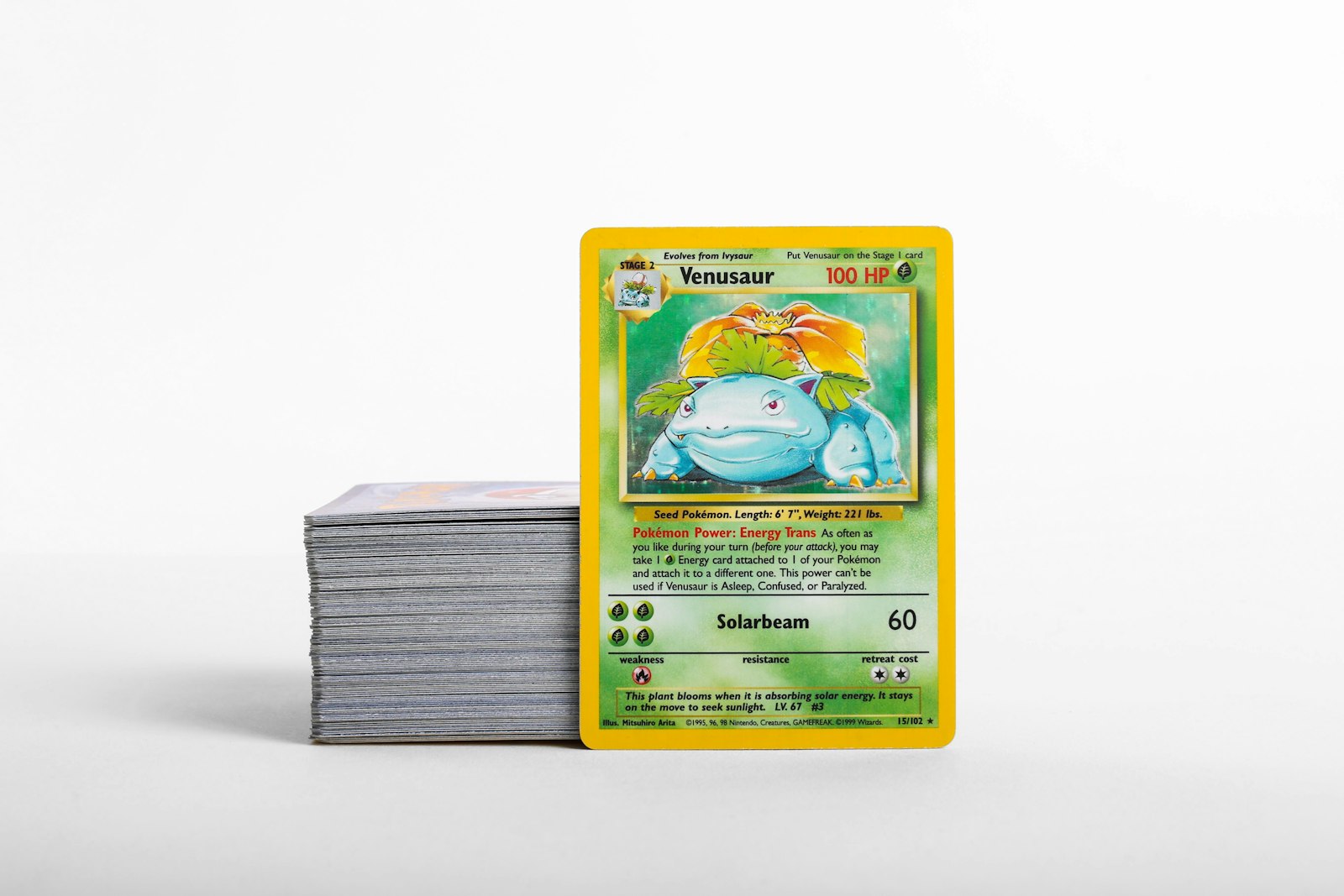
Protecting a Pokemon card collection requires more than placing every fresh pull into whatever sleeve happens to be on your desk. Choosing the wrong sleeve, binder, or hard shell can introduce surface scratches, corner snags, or edge whitening over time. Setting up a clear protection protocol allows collectors to pair each card's physical condition and rarity tier with the correct combination of sleeves, binder pages, and rigid storage.
By evaluating physical wear immediately upon acquisition, you avoid over-protecting low-value bulk while ensuring premium singles receive appropriate defense against dust, moisture, and handling damage. Here is how serious collectors structure their protection decisions across every tier of their collection.
Inspecting Raw Pokemon Cards for Hidden Wear
Before deciding how to store a card, you must inspect its current physical state under direct, clear lighting. Surface dust, finger oils, and minor micro-scratches are often invisible under dim room light but become obvious under an LED lamp.
- Corners and Edges: Tilt the card horizontally to check for faint whitening, micro-snags, or rough cuts along the factory edges.
- Foil Surface: Inspect holo and full-art cards for print lines, clouding, or light scratches caused by friction inside pack foil.
- Card Backs: The dark blue border on Pokemon card backs reveals handling wear faster than the front surface. Check for edge chipping and pressure indentations.
Catching flaws early prevents storing compromised cards alongside clean copies and helps you decide whether a card belongs in a casual play deck, a binder, or a rigid protective holder.
Sleeving Fundamentals: Standard, Perfect Fit, and Soft Polypropylene
Sleeving is the first line of defense against abrasion, oil, and atmospheric moisture. However, using the wrong sleeve size or material can cause damage during insertion.
Standard penny sleeves made of archival-safe polypropylene are ideal for raw hits, holos, and binder storage. They provide a loose, low-friction fit that prevents surface rubbing against binder pockets.
Perfect fit sleeves are designed to fit the exact dimensions of a Pokemon card. While excellent for inner-sleeving valuable singles before placing them into toploaders, they require careful technique. Pushing a card too hard into a tight sleeve can bend corners or strip ink from the top edge. Always inspect the insertion angle when working with tight fits.
Avoid any sleeve made from PVC (polyvinyl chloride), as the chemical plasticizers degrade over time and leave a cloudy residue on card surfaces.
Binder Page Selection: Side-Loading Ringless Systems vs. Standard Sheets
Binders are the most convenient way to display master sets and trade collections, but binder construction directly impacts long-term card health.
Ringless, side-loading binders featuring archival polypropylene pages and black backing cloth offer high protection for mid-tier singles. Side-loading pockets prevent cards from sliding out when the binder is moved or turned upside down. The lack of metal rings eliminates the risk of "ring denting," which occurs when pages stack unevenly against three-ring binders.
If you use traditional three-ring binders for bulk or set filler, stick to D-ring binders rather than O-ring binders. D-rings align the pages along a straight vertical spine, keeping metal edges away from the inner row of card pockets.
Rigid Cases: Toploaders, Semi-Rigids, and One-Touch Holders
When a card's value, rarity, or condition warrants extra defense against bending and impact, transition from soft sleeves to rigid outer shells.
- Toploaders: Hard plastic cases designed to hold a sleeved card. Always sleeve the card in a penny sleeve before inserting it into a toploader to prevent the hard plastic inside from scratching the surface.
- Semi-Rigid Holders: Slightly flexible sleeves often used for grading submissions. They keep cards flat without putting lateral pressure on the edges.
- Magnetic One-Touch Cases: Premium acrylic cases held together by top magnets. These are excellent for display pieces, but ensure the recessed pocket matches standard 35pt Pokemon card thickness to prevent the card from shifting inside.
Never force a card into a rigid case if there is friction. If a penny sleeve bunches up during insertion, remove it and try a fresh sleeve to avoid creasing the corners.
Environmental Controls: Temperature, Humidity, and Light Exposure
Even the best protective gear will fail if your storage room experiences extreme environmental swings. Paper cards expand and contract in response to ambient moisture and heat.
Maintain relative humidity between 40% and 50% in your storage area. High humidity causes foil layers to absorb moisture and curl upward into a semi-circle shape. Conversely, dry conditions can render vintage cardstock brittle.
Direct sunlight and unshielded UV indoor light fade vibrant inks, particularly reds and yellows. Store binders and storage boxes inside closed closets, opaque cabinets, or dark shelving units away from heat vents and exterior walls.
Cataloging and Tracking Your Protected Singles
Once your cards are sleeved, binder-bound, or encased in rigid shells, keeping track of their physical locations becomes essential. A growing collection spread across multiple binders and storage boxes can quickly turn into an unorganized backlog if not indexed properly.
Using a dedicated Pokemon collection app allows you to match physical binder slots and storage bins to digital inventory records. When adding fresh pulls or secondary-market purchases, quickly scanning cards with a fast Pokemon card scanner captures exact set details, variant attributes, and condition notes in seconds.
Before trading or upgrading your protection setups, check current market trends using a reliable Pokemon card price checker to confirm which singles merit higher-tier rigid storage or safe binder positions. For more intake workflows and archival strategies, explore our collector blog to refine your storage routines.
Build Your Card Intake Routine with PokeSnap
Establishing clear protection rules keeps your collection organized and safe from preventable wear. Pair your physical storage strategy with PokeSnap to scan cards instantly, track set progress, document condition notes, and maintain an accurate digital record of your entire Pokemon card portfolio.