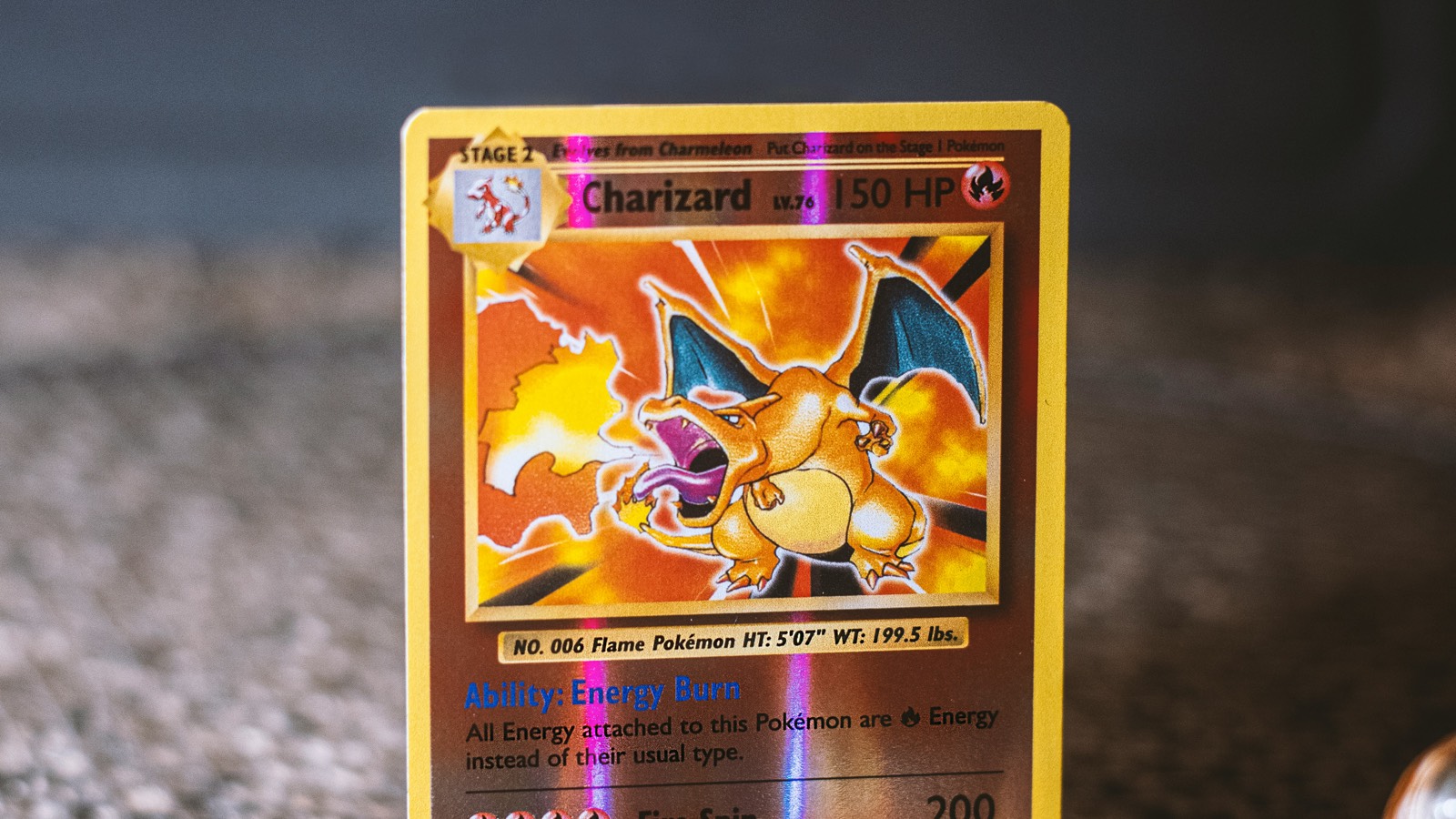
A stamp changes a card's identity
A stamped Pokemon card is not the same card as its unstamped version. The artwork can be identical, but a prerelease mark, staff stamp, championship logo, or event promo overlay turns it into a separate collectible with its own pull source, supply, and price level. Treating stamped and unstamped copies as the same card creates wrong comps and wrong checklist entries.
The simplest rule: when there is a stamp, the stamp is part of the card's identity.
Confirm exact card identity first
Stamp evaluation starts with exact identity. Before judging the stamp, confirm:
- Set or product the stamp is associated with
- Collector number (sometimes promos use their own numbering scheme)
- Language
- Holo or non-holo finish
- Whether the base card exists in unstamped form
The Pokemon card database guide, Pokemon card scanner, and how to read Pokemon card set symbols and numbers guides make this part faster, especially for older promos with unusual layouts.
Prerelease stamps
Prerelease stamps mark cards handed out at organized prerelease events before a set launches. They typically use a foil or shiny stamp with the set logo or release name. Key points:
- Prerelease cards come from a specific promo pool, often a curated subset of the set
- The stamp should be clean, centered in its expected area, and not added after the fact
- Quantities depend on the event size and how many events occurred
- Some prerelease cards are more sought after than the standard set printing, but not always
Compare the stamp design with confirmed prerelease references for that set before assuming it is genuine.
Staff and championship stamps
Staff stamps and championship stamps come from a much smaller supply pool. Staff stamps are typically issued to event organizers and helpers; championship stamps are tied to specific competitive events, often with year-specific designs.
Because the supply is small and the demand from completionists is high, these stamps tend to carry significant premiums. They are also a frequent target for counterfeit attempts.
Before trusting a stamped card:
- Compare the stamp to verified high-resolution references
- Check the stamp ink, alignment, and foil quality
- Look at the rest of the card for normal factory wear consistent with its age
- Treat unsourced "rare stamp" listings with extra caution
The fake Pokemon card guide and how to inspect Pokemon cards before you buy checklists are essential for higher-value stamped cards.
Event-only and promotional printings
Pokemon TCG has a long history of event-only printings: anniversary promos, league rewards, distribution promos, store openings, and special collaborations. Each event has its own stamp, logo, or layout cue.
When cataloging an event promo, save:
- Event name or distribution source
- Year and region
- Stamp or logo design
- Language
- Original product or pack the card came in
This is more granular than a regular set entry, but it is the only way to track event promos correctly. Without these fields, two promos with different supply curves can blur into one line in your inventory.
Watch language and region differences
Promo stamps vary by region. A Japanese promo stamp will not match an English one even when the artwork looks identical. Korean, Chinese, and other regional promos add more variants.
Before comparing comps:
- Match language exactly
- Match region exactly
- Match holo or finish
- Match year if the same promo was reissued
The how to price Japanese Pokemon cards and what to know before you start collecting Japanese Pokemon cards guides cover the Japanese side of promo tracking.
Condition matters more on premium stamps
Stamped promos tend to be loose-pulled, league-handed, or event-handled, which means many copies were not stored well from day one. For high-value stamps, condition can swing the price hard.
When evaluating condition:
- Inspect the stamp area under angled light
- Check for binder marks, dents, and surface scratches
- Look for whitening on the edges and corners
- Compare centering against other copies of the same printing
The Pokemon card condition guide, Pokemon card edge wear guide, and how to check Pokemon card centering guides cover the checks that matter most.
Use sold comps carefully
Promo stamp pricing is messy because supply is uneven and demand is segmented. A perfect comp matches:
- Same stamp design
- Same language
- Same condition tier
- Same raw or graded status
The Pokemon card sold listings guide and Pokemon card price history guide guides explain how to avoid anchoring on a single high or low result.
Track promos as their own collection slot
Because promos sit outside the main set numbering, they are easy to lose track of. Build a separate section in your collection tracker for them:
- Stamp or promo type
- Event or distribution source
- Year and region
- Condition
- Acquisition source and price
The Pokemon card collection tracker guide and how to track Pokemon card promos guides cover how to keep promos visible inside the larger workflow.
The simple rule
A Pokemon card promo stamp is part of the card's identity, not a decorative detail. Identify the exact stamp, language, and event, verify authenticity for premium pieces, track condition carefully, and price each variant against same-stamp comps only. Done that way, a promo collection stays focused, accurate, and properly valued.