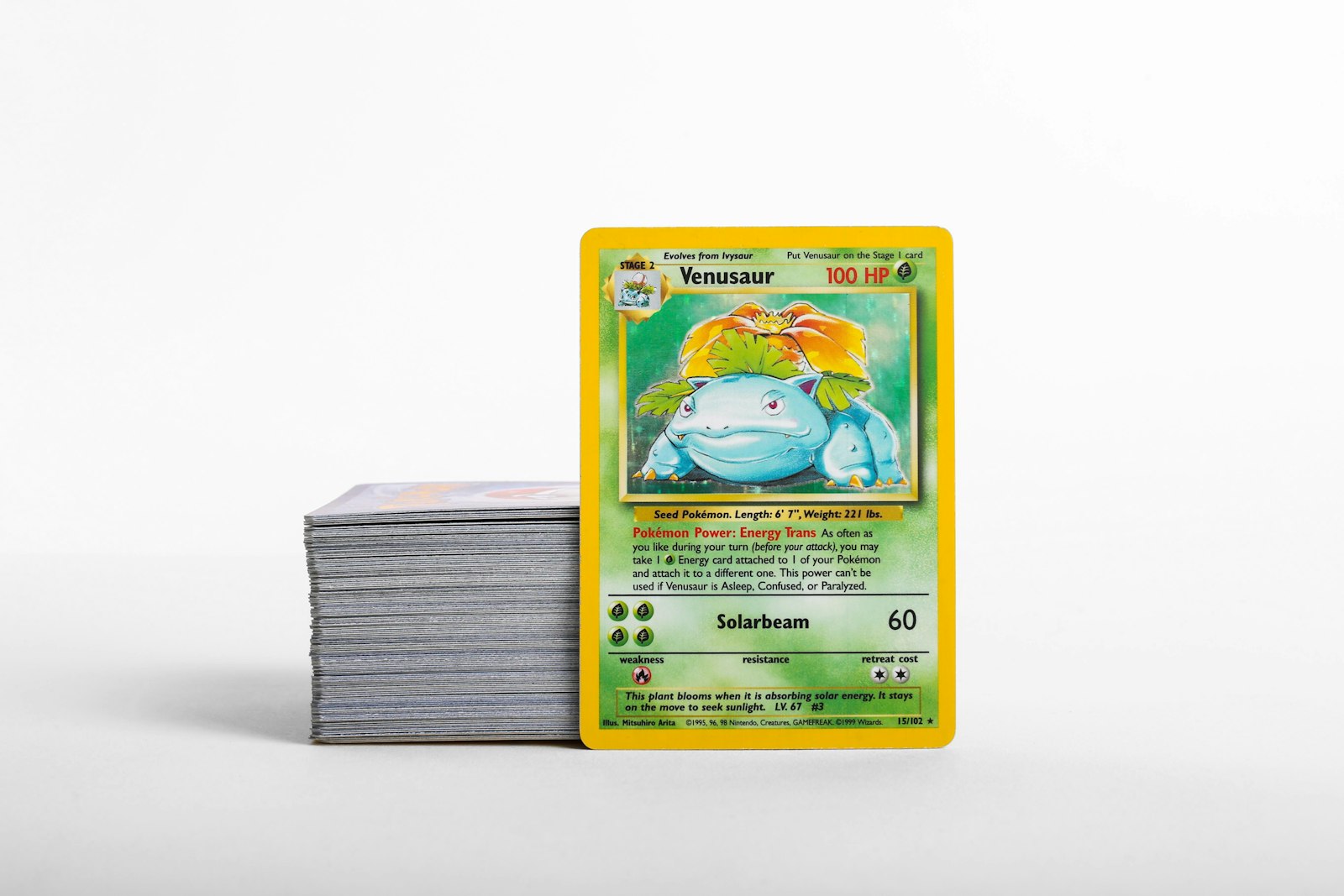
Every Pokemon card collector eventually faces a critical crossroad: how do you protect your cards without spending more on plastic and cardboard than the actual cards are worth? It is easy to get caught up in buying high-end magnetic cases for every holographic card you pull, but a sustainable hobby requires a balanced approach.
A successful Pokemon card preservation plan is built on three pillars: accurate condition assessment, tiered physical protection, and smart storage decisions. By aligning these elements, you can keep your cards in pristine shape, optimize your physical space, and allocate your budget where it matters most.
1. The Core of Pokemon Card Preservation
When you open a booster pack or return from a local trade night, your cards need immediate triage. Preservation is not about putting every single card into a hard case; it is about matching the level of protection to the card's physical vulnerability and long-term role in your collection.
If you treat a bulk common the same way you treat a secret rare, you will quickly run out of physical space and wreck your hobby budget. Conversely, leaving a rare card loose in an open box invites micro-scratches, edge wear, and dust accumulation. The goal is to establish a system where your storage choices scale naturally with the condition and rarity of each card.
2. Assessing Card Condition: The Baseline for Every Storage Decision
Before you pull out a sleeve, you must understand what you are protecting. Raw card condition is the primary driver of all storage decisions. A card with existing silvering, deep scratches, or soft corners does not magically heal inside a top loader; however, keeping it from deteriorating further is crucial.
When inspecting your raw cards, look for:
- Surface flaws: Print lines, light scratches, or fingerprints that disrupt the foil.
- Edge and corner wear: Whitening along the back borders or fraying on the corners.
- Centering and structure: Severe warping (foil curl) or indentations.
Using a dedicated Pokemon collection app helps you categorize cards by their visual condition, giving you a clear digital record before they are tucked away into long-term storage.
3. The Three-Tier Protection Framework
To keep your storage both organized and cost-effective, group your protection supplies into three distinct tiers:
- Tier 1: Basic Protection (Bulk & Playables)
- Supplies: Standard penny sleeves, bulk storage boxes (cardboard or plastic deck boxes).
- Best for: Common, uncommon, non-holo rare cards, and competitive trainer cards. Penny sleeves prevent surface-to-surface friction when cards are stacked together in bulk boxes.
- Tier 2: Intermediate Protection (Binder Copies & Holos)
- Supplies: Archival-safe deck protector sleeves (matte or gloss), side-loading pocket binders.
- Best for: Reverse holos, standard holographics, and mid-tier chase cards that you want to display. Side-loading pockets prevent cards from sliding out of the top, while acid-free pages protect the paper and foil from chemical breakdown.
- Tier 3: Premium Protection (High-Value Hits & Grading Candidates)
- Supplies: Perfect-fit inner sleeves, rigid top loaders or semi-rigid card savers, and specialized storage boxes designed to hold top loaders.
- Best for: Ultra rares, secret rares, vintage classics, and any card you plan to grade in the future. Double-sleeving (inserting an inner sleeve from the top, then a standard sleeve from the bottom) seals the card against dust and moisture, while the rigid outer shell prevents physical bending.
4. Matching Protection to Your Collection Goals
Your preservation plan should also reflect your goals as a collector. Are you building a master set, curating a trade binder, or holding cards for long-term value?
- Master Set Builders: Focus on high-quality binders with fixed or ringless pages. Grouping cards by set number means they will stay in one place for a long time, so choose pages that do not warp or degrade.
- Active Traders: If cards are frequently entering and leaving your possession, prioritize top loaders. Sliding cards in and out of tight binder pockets repeatedly can cause minor edge wear. Top loaders allow other collectors to inspect the card safely without touching the raw surface.
- Long-Term Holders: If your goal is preservation over display, double-sleeve your cards and store them vertically in heavy-duty, latching plastic boxes.
To justify the cost of premium storage, it is wise to monitor your collection's composition, occasionally cross-referencing values with a Pokemon card price checker to ensure your high-end supplies are protecting cards that truly warrant the investment.
5. Environmental Factors in Long-Term Storage
Even the best binders and top loaders cannot protect your cards if the storage environment is hostile. Cardboard is highly sensitive to the surrounding atmosphere.
- Humidity: High humidity causes cardboard to absorb moisture, leading to warping or "foil curl" on holographic cards. Low humidity can make cards brittle. Aim for a stable, moderate relative humidity level (around 35% to 50%).
- Temperature: Avoid areas prone to extreme heat or temperature swings, such as uninsulated attics, basements, or rooms near heating vents. Heat can weaken adhesives in binder pages and cause sleeves to stick to card surfaces.
- Light Exposure: Ultraviolet (UV) light is a silent killer for card ink. Never display raw cards in direct sunlight. If you want to showcase your favorite cards on a shelf, use UV-resistant cases and rotate your displays periodically.
6. Auditing and Refreshing Your Storage Setup
Preservation is not a one-time event; it is an ongoing maintenance routine. Over time, physical protection materials can degrade.
- Inspect Sleeves: Cheap penny sleeves can become cloudy, scratched, or sticky over several years. If you notice a sleeve losing its clarity or feeling brittle, swap it out before it impacts the card inside.
- Check Binder Pages: Ensure your binder pages are not sagging or bending under the weight of the cards. Overcrowded binders can cause cards near the spine to warp.
- Monitor Bulk Boxes: Periodically check your bulk storage boxes for dust buildup or moisture absorption.
For more detailed strategies on organizing and managing your inventory, explore our blog to find tips on keeping your physical setup clean and accessible.
7. Streamlining Your Preservation Workflow with PokeSnap
Building a preservation plan is much easier when you do not have to guess which cards are in which storage tier. This is where a digital tool becomes invaluable.
With PokeSnap, you can instantly scan your cards to identify them, record their physical condition, and track where they live in your physical storage. Instead of pulling cards out of their protective sleeves to double-check their details, you can view your entire collection digitally from your phone.
By keeping your digital inventory synchronized with your physical binders and boxes, PokeSnap helps you maintain a pristine collection while saving you time and protecting your cards from unnecessary handling. Download PokeSnap today on iOS or Android and take control of your card preservation plan.