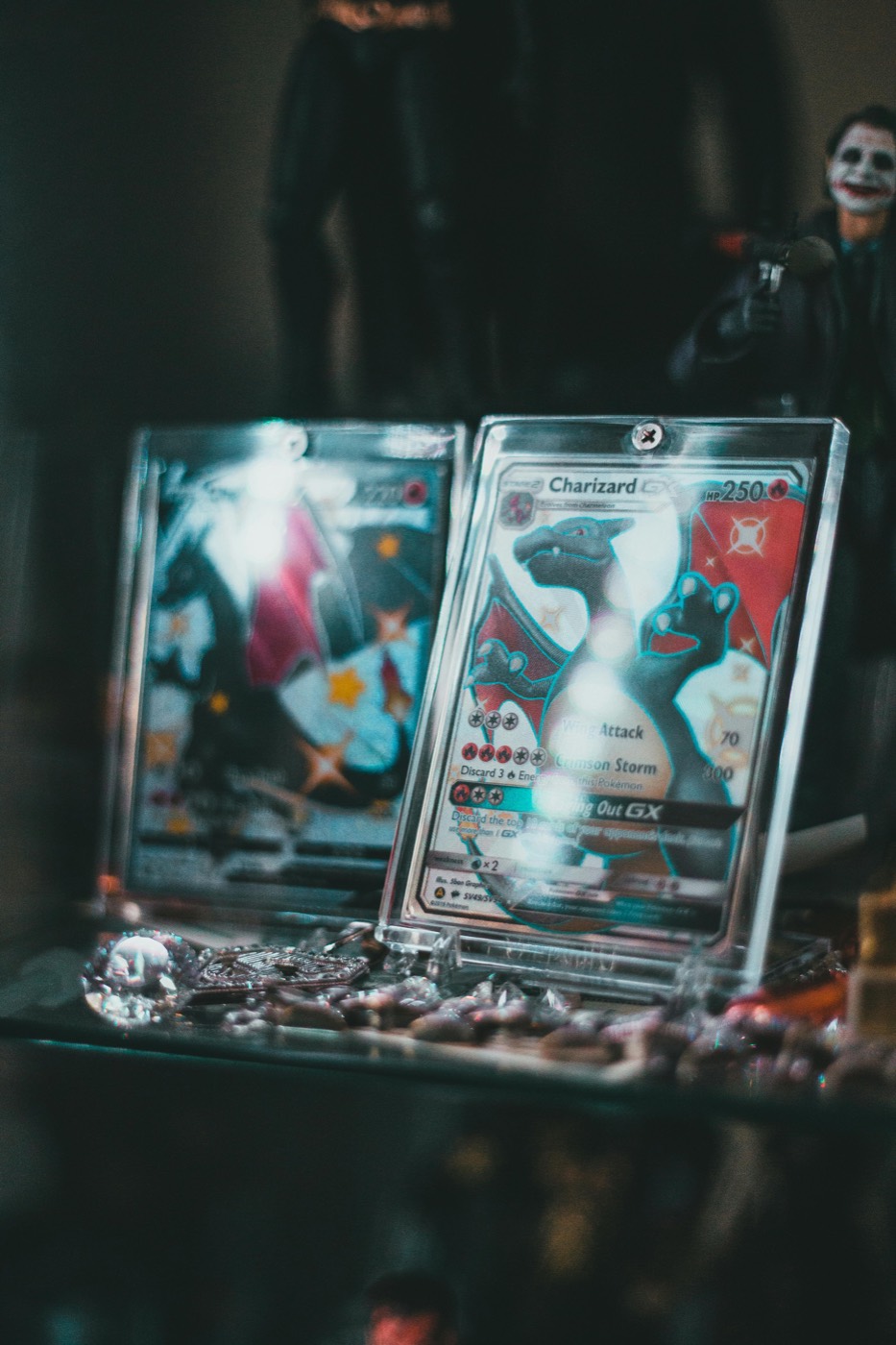
What a Pokemon TCG prerelease event actually is
A prerelease is a small in-store tournament that lets players open and play with a new Pokemon set a week or two before its official release. The format is sealed: you receive a build-and-play kit with packs from the new set, a promo card, and the materials you need to build a 40-card deck on the spot.
Prereleases are run by local game stores, not directly by The Pokemon Company. That means availability, pricing, and policies vary by store, even though the format and the kit are the same everywhere.
Why prereleases matter for collectors, not just players
Even if you do not play competitively, prereleases are worth paying attention to. They are one of the cleanest ways to pull cards from a new set, often before the broader market has settled into stable prices.
Reasons collectors care:
- Guaranteed packs from the new set
- A prerelease promo card unique to the event
- Early exposure to the print quality and chase cards of the set
- A chance to find pack-fresh grade candidates before retail stock spreads
- A direct connection to the local game store community
The Pokemon card investment guide and how to organize Pokemon cards after a new set release cover the broader rhythm of new set releases that prereleases sit at the very front of.
How a prerelease event runs
The format is consistent enough across stores that you can prepare for it without overthinking.
The typical flow:
- You register with your local game store and pay the event fee.
- On the day, you receive a build-and-play kit with packs and tournament materials.
- You build a 40-card deck using only those cards plus the included energy.
- You play a few rounds against other attendees.
- After the event, you take home everything you opened, plus any prize packs you earn.
You do not need to bring a deck. You do not need to know every interaction. The kit is designed so a brand-new player can build a functional deck without prior knowledge of the new set.
What to bring to a prerelease
A small kit makes the experience smoother — especially the storage side, which matters more than people expect once you start opening pack-fresh cards on a public table.
A simple bring list:
- Photo ID or Play! Pokemon ID if your region uses it
- Cash or card for entry, snacks, and any singles you buy
- A small handful of penny sleeves and a top loader or two
- A clean playmat if you have one
- Pen and paper, or a phone, for life totals and quick notes
- A small box or deck box to take cards home in safely
The Pokemon card pack-fresh handling guide covers the handling rules that turn a pile of pulls into clean grade candidates instead of mildly dinged cards by lunchtime.
How to register for a prerelease event
Prereleases sell out at popular stores. Registering early is usually the difference between attending and missing out for a six-month window.
A simple registration approach:
- Identify two or three local stores that run sanctioned Pokemon events
- Follow them on the channels they actually use (in-store boards, social media, mailing lists)
- Watch for the announcement window ahead of each new set
- Pre-pay if your store offers it
- Confirm the kit type and the time slot you want
If your area has no nearby store, prereleases can be a good reason to plan a longer drive once or twice a year. The set rotation is predictable enough that you can put it on a calendar.
Handling pulls on a busy event table
The biggest difference between prerelease pulls and a quiet at-home opening is the environment. Public tables, half-eaten snacks, and the urge to fan out cards for friends to see all add up to handling risk.
Habits to practice:
- Open packs cleanly and stack rather than fanning
- Sleeve any notable pull immediately on the spot
- Avoid sliding cards across the table
- Keep food and drinks well clear of any open cards
- Move chase pulls into a top loader between rounds
The Pokemon card pack-fresh handling guide, how to scan Pokemon cards on iPhone, and how to catalog Pokemon cards after a pack opening cover the handling-to-cataloging flow you'll want to follow once you get home.
Triage your pulls before you leave the event
A short triage at the end of the day prevents lost cards and damaged chases.
A simple end-of-event routine:
- Identify any chase pulls and confirm they're sleeved
- Move chase cards into top loaders or a small case
- Separate the prerelease promo and store it cleanly
- Bundle the rest of your pulls together
- Note the date and the event so you can remember the source later
The how to inventory Pokemon cards fast and how to digitize your Pokemon card collection cover the longer-form logging you'll do at home.
Catalog pulls inside your collection that night
The longer you wait to log prerelease pulls, the more they blur into the rest of your binder. Capturing them while the event is fresh keeps the source visible and avoids the "where did this card come from" problem six months later.
A minimal log per card:
- Card name, set, collector number, variant
- Condition note from pack-fresh inspection
- Storage location after the event
- Tag noting the prerelease source and event date
- Reference value once one is reasonably available
The Pokemon card scanner, Pokemon collection app, and how to scan Pokemon cards in bulk cover the cataloging workflow that turns a pile of pulls into structured collection data.
Decide which prerelease pulls to grade
Pack-fresh prerelease cards are some of the best grading candidates you can get your hands on. They have not been resold, handled by previous owners, or stored in mystery conditions.
Before submitting:
- Inspect carefully under direct light
- Check centering, edges, and surfaces honestly
- Compare against recent graded comps for the same card
- Confirm the grading math works at the realistic expected band
- Treat marginal copies as "keep raw" rather than wishful grades
The Pokemon card grading guide, Pokemon card grading cost guide, how to prepare Pokemon cards for grading, and how to choose which Pokemon cards to grade first cover the grading decision in depth.
Pricing prerelease pulls in the first few weeks
Prices in the days following a prerelease can be volatile. Initial scarcity, hype, and limited supply usually inflate values before retail stock spreads the market out.
Better comping habits in the prerelease window:
- Track the same card across multiple days, not a single peak listing
- Distinguish between in-store buylist prices and online sales
- Note when the set officially releases — supply changes that week
- Compare like-for-like condition and language
- Avoid making sell decisions on day-one panic prices
The how to check Pokemon card prices, how to find Pokemon card comps, Pokemon card price checker, and how to review Pokemon card prices after a new set cover the pricing rhythm that follows a prerelease.
Build a routine across the prerelease calendar
The Pokemon TCG release cycle is predictable enough that you can plan around it. Roughly four main sets per year, each with its own prerelease window, with smaller sets and special expansions in between.
A simple yearly routine:
- Mark expected set release windows on your calendar
- Identify the local stores you trust for prereleases
- Set a budget per release for entry plus extras
- Plan the post-event handling and cataloging session
- Review which previous prerelease pulls have held value to inform next time
The Pokemon card collection goals guide and Pokemon card collection review routine cover the longer rhythm that a prerelease habit fits inside.
A simple prerelease checklist
Before any prerelease event:
- Are you registered and confirmed?
- Do you have sleeves and a top loader on you?
- Do you have a deck box or small case to take cards home in?
- Do you have a plan for handling and cataloging that evening?
- Do you have a price-tracking habit ready for the days after the event?
The simple rule
Prereleases are one of the most enjoyable events in the Pokemon TCG calendar and one of the cleanest ways to add pack-fresh cards to your collection. The collectors who get the most out of them are the ones who plan ahead, handle their pulls carefully on the event table, and run a structured cataloging routine the same day. Show up with a kit, leave with clean cards, and treat each event as a long-term contribution to your collection — not a one-day novelty.