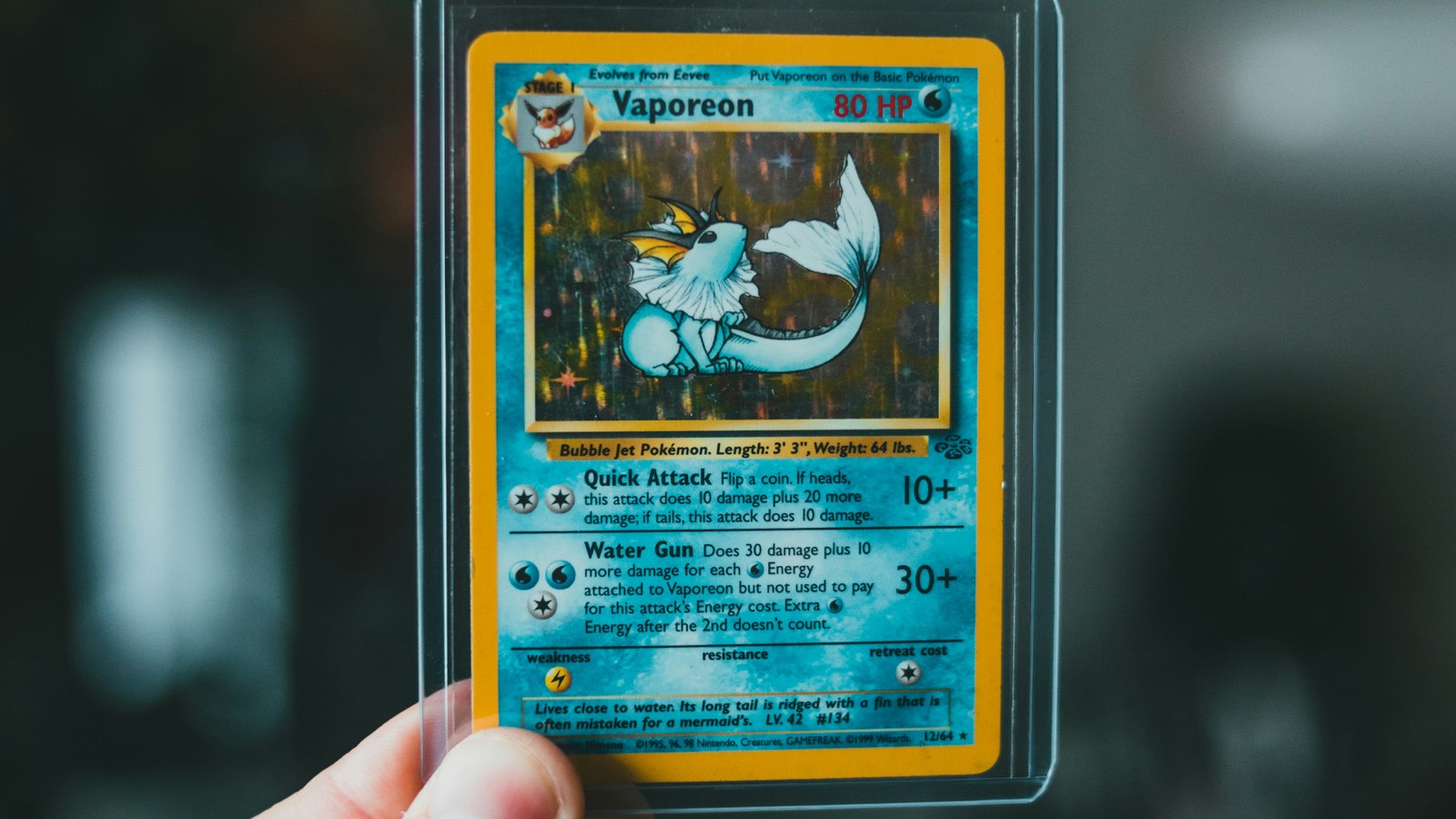
Pop reports are useful, but easy to overread
A Pokemon card pop report shows how many copies a grading company has graded at each grade. Collectors use it to understand supply, grade difficulty, and slab market context. But a population number is not the same thing as demand, rarity, or value by itself.
The best use of a pop report is decision support. It helps you decide whether grading makes sense, whether a slab premium looks justified, and whether a card's market depends on a small or crowded graded population.
Start with the exact card and company
Population data is only useful when the identity is exact. Different languages, promos, variants, finishes, and cert labels can appear as separate entries. PSA, CGC, BGS, and other graders also maintain their own populations, so a number from one company does not describe the whole market.
Before using a pop report, confirm:
- Card name
- Set and collector number
- Language
- Variant or finish
- Grading company
- Grade being compared
If the raw card identity is still uncertain, start with the Pokemon card database guide before reading population data.
Look at the grade spread, not only the total pop
The total population can be misleading. A card may have many graded copies but very few high-grade copies. Another card may have a low total population because few people care enough to submit it.
Review the spread across grades:
- How many reached 10?
- How many sit at 9?
- Is the card difficult to grade cleanly?
- Are lower grades common because the card is old or condition-sensitive?
This helps you judge whether your raw copy has a realistic path to a premium grade.
Low pop does not always mean high value
Collectors often say "low pop" as if it automatically means expensive. That is not reliable. A card can have a low population because demand is low, submissions are not worthwhile, or raw copies are easy to find but rarely graded.
A low-pop card becomes more interesting when demand is also strong. Character popularity, set importance, art appeal, competitive relevance, and collector nostalgia all matter.
Use pop reports before grading
Before submitting a card, compare the likely grade outcome to grading fees, shipping, turnaround time, and current slab prices. A card that looks like a 9 may not be worth grading if 9s sell close to raw copies. A card with a realistic 10 shot may be different.
Pair the population check with the grading-first priority guide and the raw vs graded price guide. Pop data is one input, not the whole decision.
Use pop reports before buying slabs
When buying a graded card, the pop report can show whether the grade is common, scarce, or newly crowded. If many copies are entering the market, a high recent sale may not hold. If a card has stable demand and very few high-grade copies, the premium may be easier to understand.
Still, check sold listings. The Pokemon card sold listings guide helps connect population data to actual buyer behavior.
Track slab decisions in your collection
Population context is easy to forget after a purchase or submission. Save notes about why you graded or bought a slab:
- Pop at the target grade
- Price paid or expected value
- Submission cost
- Condition reason for expected grade
- Sell, hold, or display plan
The graded card tracking guide covers how to keep slabs and submissions from becoming a separate, disconnected inventory.
The simple rule
A Pokemon card pop report helps you understand graded supply, but it does not replace demand, condition, or sold prices. Use it after exact identity is confirmed, study the grade spread, and connect the number to a real grading or buying decision.