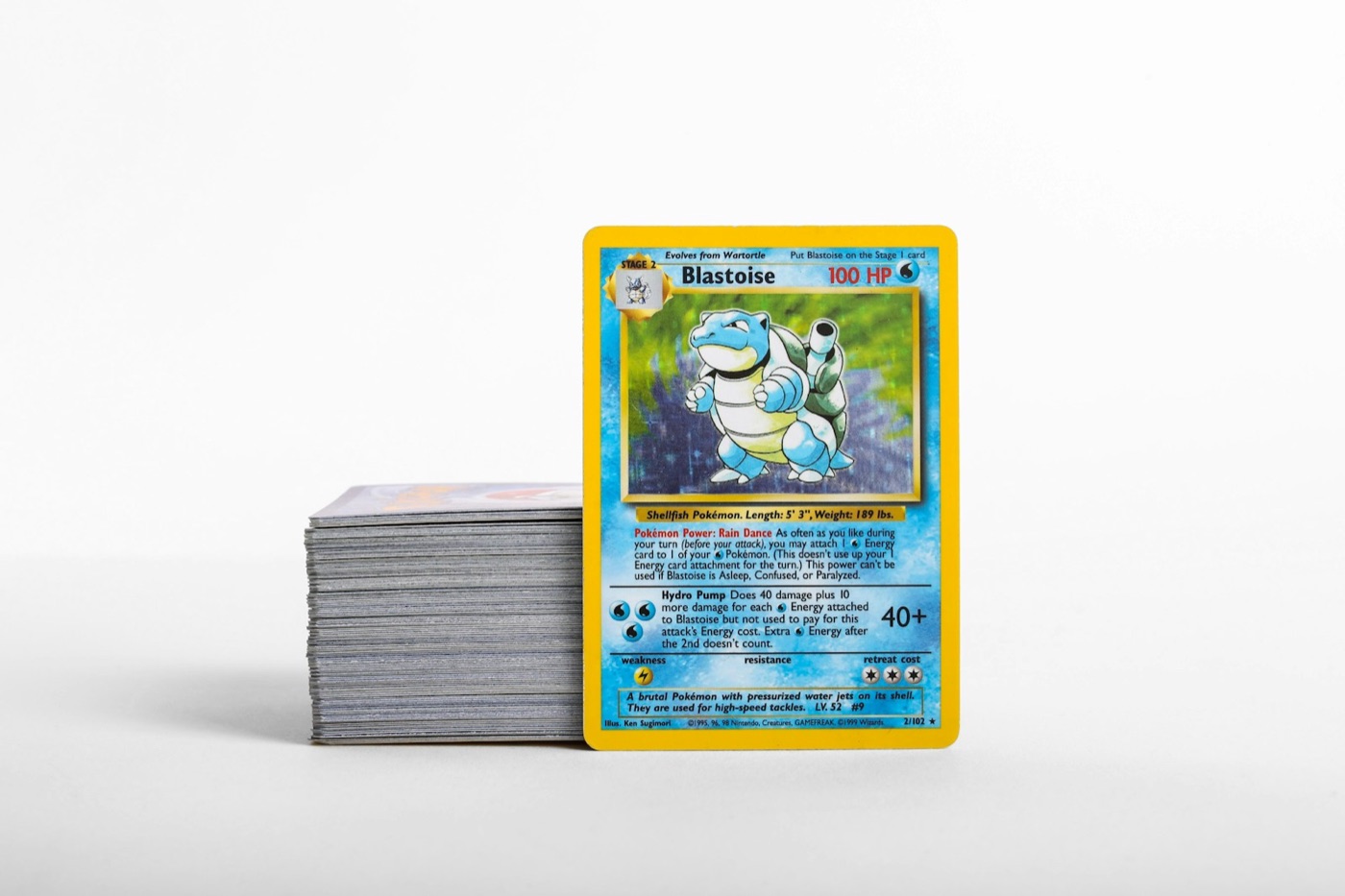
Pokemon card value has more than one engine
Some Pokemon cards move because collectors love the artwork, character, rarity, or nostalgia. Others move because players need them for decks. Many cards sit somewhere between those two forces. Understanding player value vs collector value helps you avoid confusing a temporary deck staple with a long-term chase card, or ignoring a playable card just because it is not flashy.
This is especially useful when deciding what to sell, trade, sleeve, or monitor after a new set release.
What player value means
Player value comes from use in the actual trading card game. A card can rise because it appears in strong decks, supports a popular strategy, or becomes harder to find during tournament demand. This kind of value can move quickly when formats change, decks rotate, or a better replacement appears.
Player demand often cares less about perfect condition than collector demand, as long as the card is tournament legal and not damaged beyond playability.
What collector value means
Collector value comes from desirability as a collectible object. Artwork, Pokemon popularity, rarity, language, era, condition, graded population, and nostalgia can all matter. These cards may have little competitive use and still command strong prices.
Condition matters more here. A collector chasing a clean binder copy, grading candidate, or display piece will care about centering, whitening, print lines, and surface issues.
The valuable card guide is the right companion when you need to judge demand beyond gameplay.
How to tell which force is driving a price
Look at why people are buying the card:
- Is it used in tournament decklists?
- Is it a popular Pokemon or trainer?
- Is the artwork a chase card?
- Are raw played copies moving, or only clean copies?
- Did the price change after a set release, event, or rotation?
- Are graded copies getting attention too?
If played copies and near-mint copies both move fast, player demand may be a major factor. If high-grade or clean raw copies carry most of the premium, collector demand is probably stronger.
Why this matters for trading
Trades can feel unfair when each side values cards through a different lens. A player may value consistency and deck utility. A collector may value condition, artwork, or long-term scarcity. Both can be rational, but they are not always using the same price logic.
Use the trade value guide and trade record guide if you need a cleaner process for comparing mixed-demand cards.
Why this matters for price tracking
Player-driven cards can drop after rotation, reprints, or metagame changes. Collector-driven cards can also drop, but they often react to supply, hype cycles, graded population, or changing chase preferences. A price alert should reflect the reason you care about the card.
For example, a playable card may need faster monitoring around events. A collector chase card may need condition-specific tracking and longer-term sold-listing context.
Track the card with the right notes
In your inventory, note whether the card is:
- A deck staple
- A collector chase
- A grading candidate
- A duplicate for trade
- A card to sell before rotation or reprint risk
A Pokemon collection app helps because the same card can have different meanings depending on quantity, condition, and your goal.
The simple rule
Pokemon card player value and collector value can overlap, but they are not the same signal. Before pricing or trading a card, identify whether gameplay demand, collector demand, or both are driving the market, then track the card according to the reason it matters.