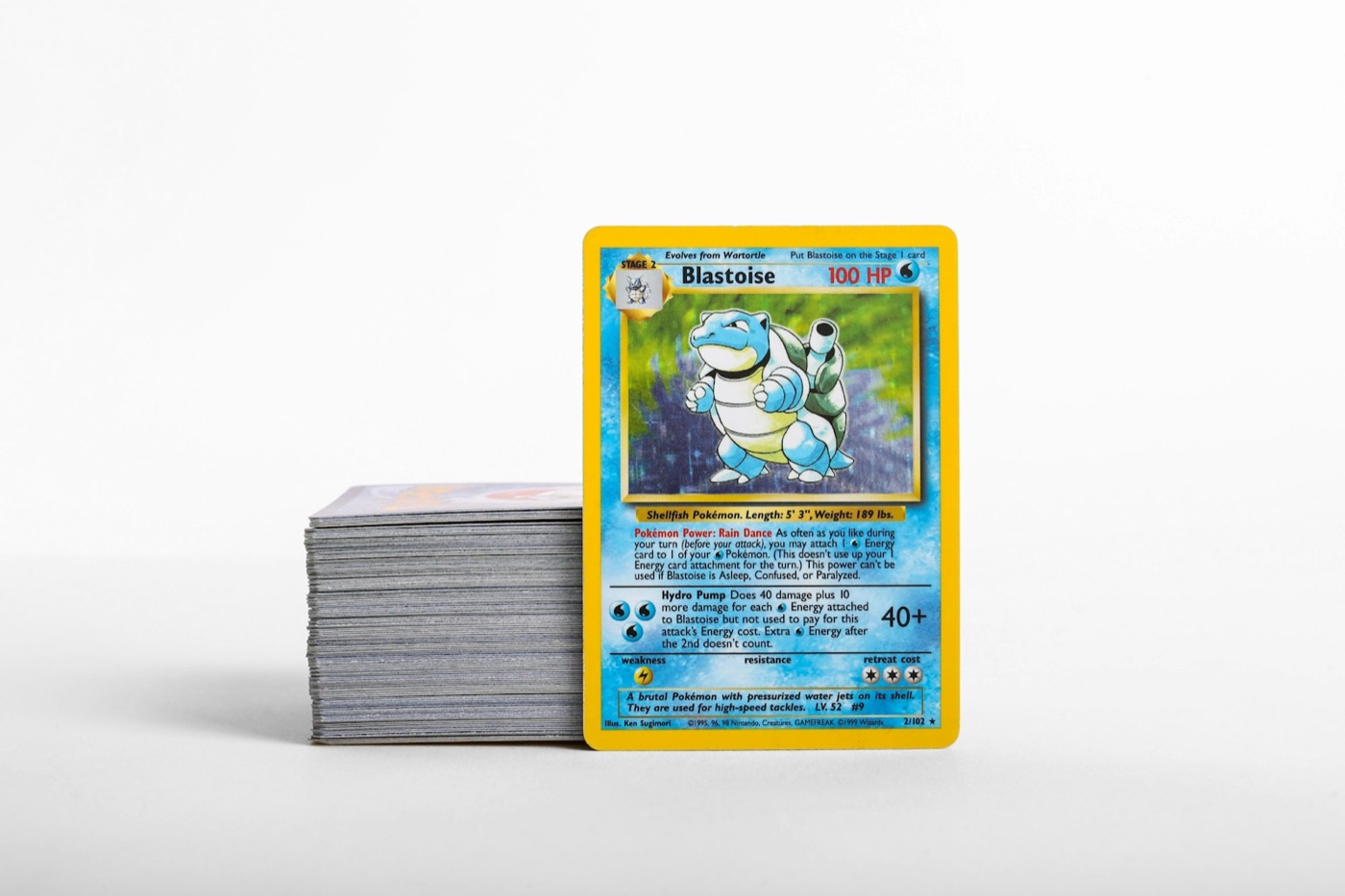
Playable cards move for different reasons
Some Pokemon cards become valuable because collectors love the art, character, rarity, or nostalgia. Others rise because players need them for tournament decks. A playable card can spike quickly when it becomes a staple, then cool when rotation, reprints, bans, or better options change demand.
That does not make playable value fake. It means the price needs a different tracking habit than a pure collector chase card.
Start by asking why the card is expensive
Before reacting to a price move, decide which demand is driving it:
- Tournament deck use
- New set synergy
- Short supply after release
- Collector chase appeal
- Promo or language scarcity
- Grading or condition scarcity
If the value comes mostly from deck demand, the card may need a faster review cycle. If value comes mostly from collector demand, the price may behave more like other chase cards.
The player value vs collector value guide is the broad framework. This guide focuses on rotation and playable demand.
Rotation can turn urgency into oversupply
When a card rotates out of Standard, some players sell or stop buying copies. That can push extra supply into the market, especially for cards that were held only for decks. The biggest risk is confusing a deck-staple price with a long-term collector price.
Ask:
- Is the card still legal in the format most buyers care about?
- Does it have collector appeal outside gameplay?
- Are there alternate printings or promos that collectors prefer?
- Is demand broad, or tied to one deck?
If the answer is mostly gameplay, treat rotation as a real pricing event.
Reprints matter more for playable cards
Playable cards are often reprinted because players need access. A reprint can reduce the premium on ordinary copies while leaving special versions, promos, or high-grade copies more resilient.
This is why exact identity matters. A regular rare, reverse holo, stamped promo, full art, and special illustration version may not react the same way.
Use the reprint risk guide and restock guide when supply starts changing.
Track your reason for holding the card
A Pokemon card collection app should help you record why a card is in your collection. A playable staple might be:
- A deck copy
- A trade copy
- A sell-before-rotation copy
- A collector copy
- A grading candidate
Those roles create different decisions. A deck copy may stay even if price falls. A trade copy may need to move before demand cools. A collector copy may not care about rotation at all.
Use alerts around real decision windows
Do not put every playable card on the same watchlist. Set alerts only where a move changes what you will do. Examples:
- Sell if the card spikes before a reprint
- Buy if rotation cools the price enough
- Trade extra deck copies before demand drops
- Upgrade to a rarer version when regular copies fall
The price alerts guide helps keep this from becoming constant market checking.
The simple rule
Pokemon card playable rotation prices should be tracked by role, legality, reprint risk, and collector appeal. If a card's value comes from deck demand, watch rotation and supply closely. If it also has collector appeal, separate that long-term reason from the short-term playable premium.