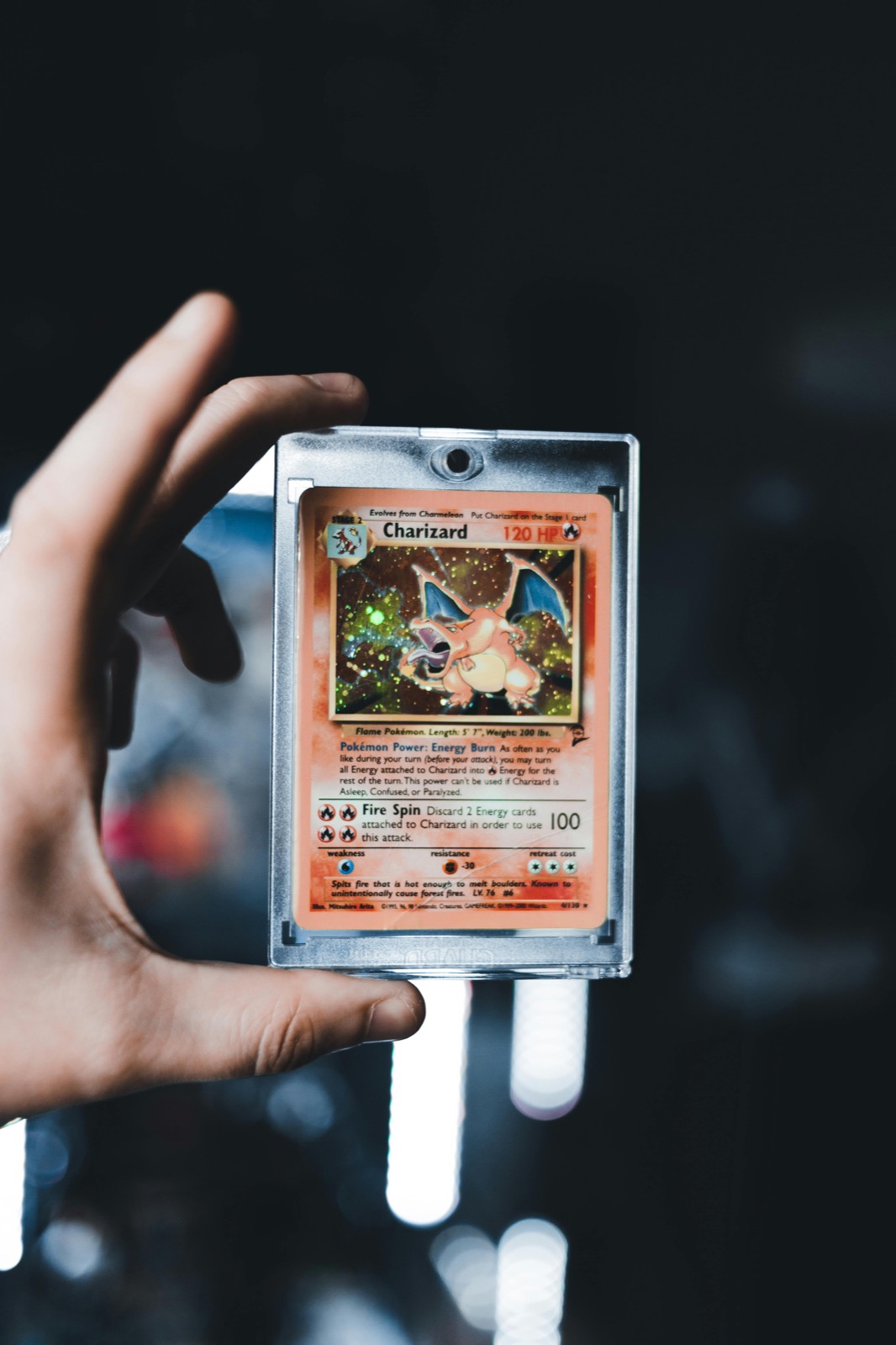
Modern chase cards move fast
Modern Pokemon chase cards can spike quickly when a new set launches, a special illustration rare becomes the card of the moment, or social media pushes one artwork above the rest. The problem is that early prices often mix real demand with opening-week emotion.
A cleaner buying decision starts by separating the card you want from the timing pressure around it.
Know which price phase you are in
Most modern chase cards pass through a few rough phases:
- Prerelease and launch-week scarcity
- First wave of large openings
- Restock and reprint uncertainty
- Stabilization after supply is better understood
- Later collector demand once the set is no longer everywhere
Buying during the earliest phase can be fine if the card is a personal must-have, but it should not be confused with bargain hunting.
Use the price spike guide and seasonal buying calendar to read timing.
Compare raw copies by condition, not only price
For chase cards, the cheapest listing is often cheap for a reason. Check centering, corners, whitening, print lines, surface marks, and photo quality before treating two prices as equivalent.
If you plan to grade the card, be stricter. If you only want a binder copy, a clean-looking raw card with minor flaws may be the better value.
The pre-grade inspection checklist and centering guide help keep the review honest.
Watch reprint and restock risk
Modern cards are not fixed-supply the way many vintage cards are. If sealed product is still being opened heavily or another restock is likely, patience can matter.
Ask:
- Is this set still easy to buy at retail?
- Are more booster boxes, bundles, or collection boxes coming?
- Is the card popular because of artwork, playability, or both?
- Would I still want it if the price dropped after I bought?
The reprint risk guide is useful before paying peak attention prices.
Use a target price instead of a vague watchlist
A vague plan to "buy later" often turns into another impulse buy. Set a target price and add the card to a watchlist in your Pokemon card price checker workflow. Track raw near-mint prices, graded comps if relevant, and your maximum acceptable number.
When the card reaches that target, buy from the best condition listing you can verify. If it never reaches the target, the plan still protected your budget.
Decide whether the card fits your collection
Not every hot card belongs in your collection. A chase card should match at least one real goal: set completion, favorite Pokemon, artwork focus, grading plan, or long-term display.
If the only reason is that everyone is talking about it this week, skipping is a valid collecting decision.
The simple rule
Buying modern Pokemon chase cards works best when you separate the card from the hype window. Know the price phase, inspect condition, account for reprints, set a target price, and buy only when the card fits your actual collection plan.