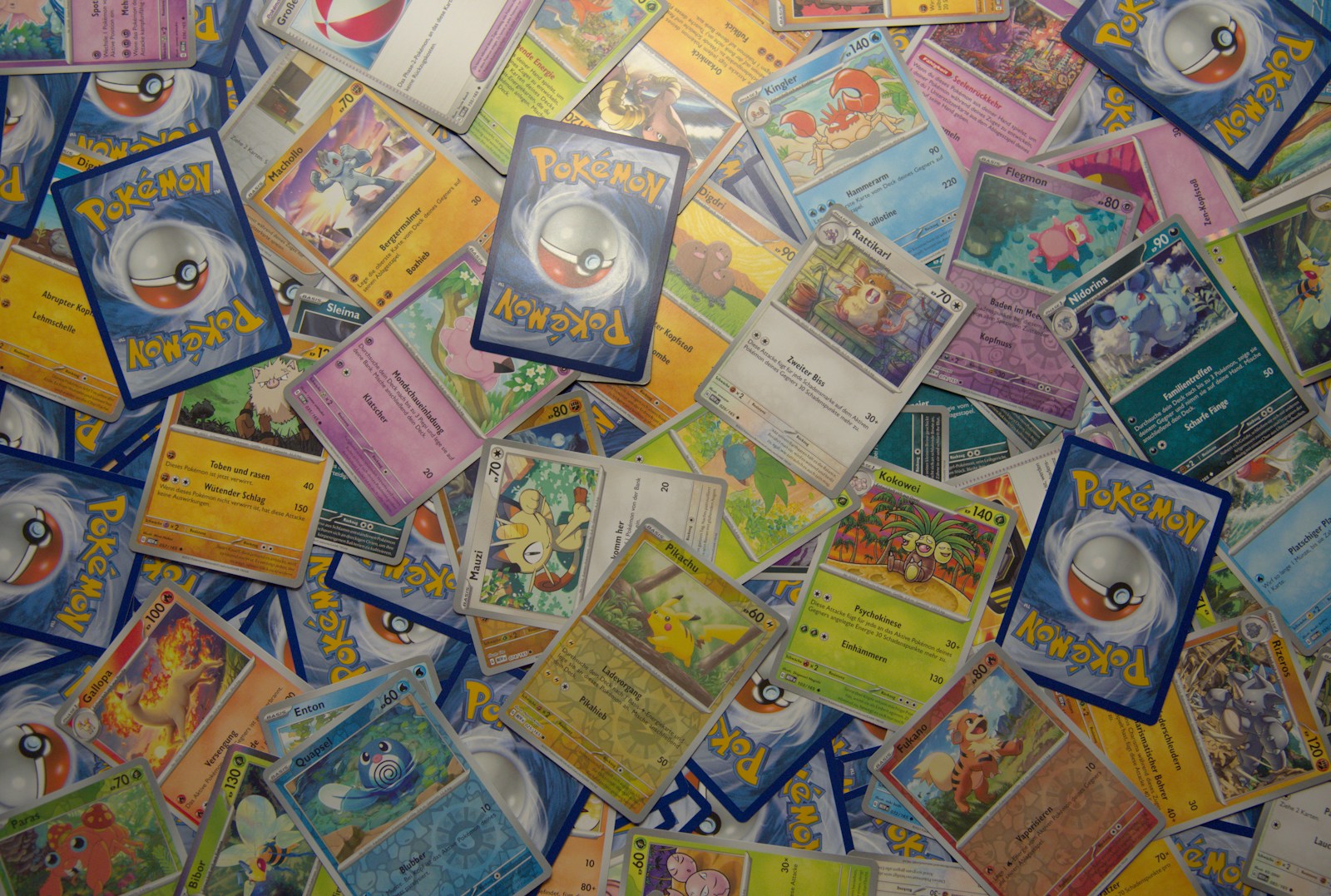
A listing title sets the buyer's expectation
Pokemon card listing titles are not just search bait. They tell buyers what card they are evaluating, what condition lane it belongs in, and whether the seller understands the product. A vague or inflated title creates more questions, more returns, and weaker trust.
The best title is searchable, specific, and conservative.
Put exact identity before hype
Start with the information that identifies the card:
- Pokemon or trainer name
- Set name or set code
- Collector number
- Variant such as reverse holo, full art, promo, or special illustration rare
- Language when relevant
- Grade and grading company if slabbed
A title like "Charizard rare card" is weaker than a title that names the set, number, language, and condition. Buyers are comparing exact versions, not just characters.
Use the rarity symbols guide and certification number guide when identity needs confirmation.
Be careful with condition words
Condition terms can help buyers filter, but they also create disputes when the photos do not support the claim. Use "near mint," "lightly played," or "damaged" only when you are willing to defend the term with clear photos.
If the card has whitening, dents, creases, print lines, surface scratches, or corner wear, the title can stay concise while the description carries the detail. Do not title a card as a grading candidate unless the evidence is strong.
The condition notes guide helps with the description layer.
Include grade details cleanly for slabs
For graded cards, include grading company, grade, card identity, and certification context in the listing body. The title should not overpromise beyond the slab.
Good slab title elements include:
- Grading company
- Numeric grade
- Card name
- Set and number
- Language or variant if important
Avoid stuffing every possible keyword into the title if it makes the listing look unreliable.
Sealed product titles need package clarity
For sealed product, the title should identify the product type and release clearly: booster box, elite trainer box, booster bundle, sleeved booster, collection box, tin, or promo product.
If the package condition matters, do not hide major flaws. Crushed corners, torn wrap, or damaged display boxes belong in photos and description, and sometimes in the title if they materially change value.
Pair this with the sealed product condition guide.
Check the title against the card record
Before listing, scan or save the card in your Pokemon card collection app and compare the record against the listing draft. This catches wrong set numbers, language mistakes, duplicate mixups, and stale condition assumptions before the buyer sees them.
The scan to sell workflow turns that into a repeatable process.
The simple rule
A Pokemon card listing title should help the right buyer find the exact card without misleading them. Lead with identity, use condition words conservatively, handle slabs and sealed product clearly, and let the photos and description prove the rest.