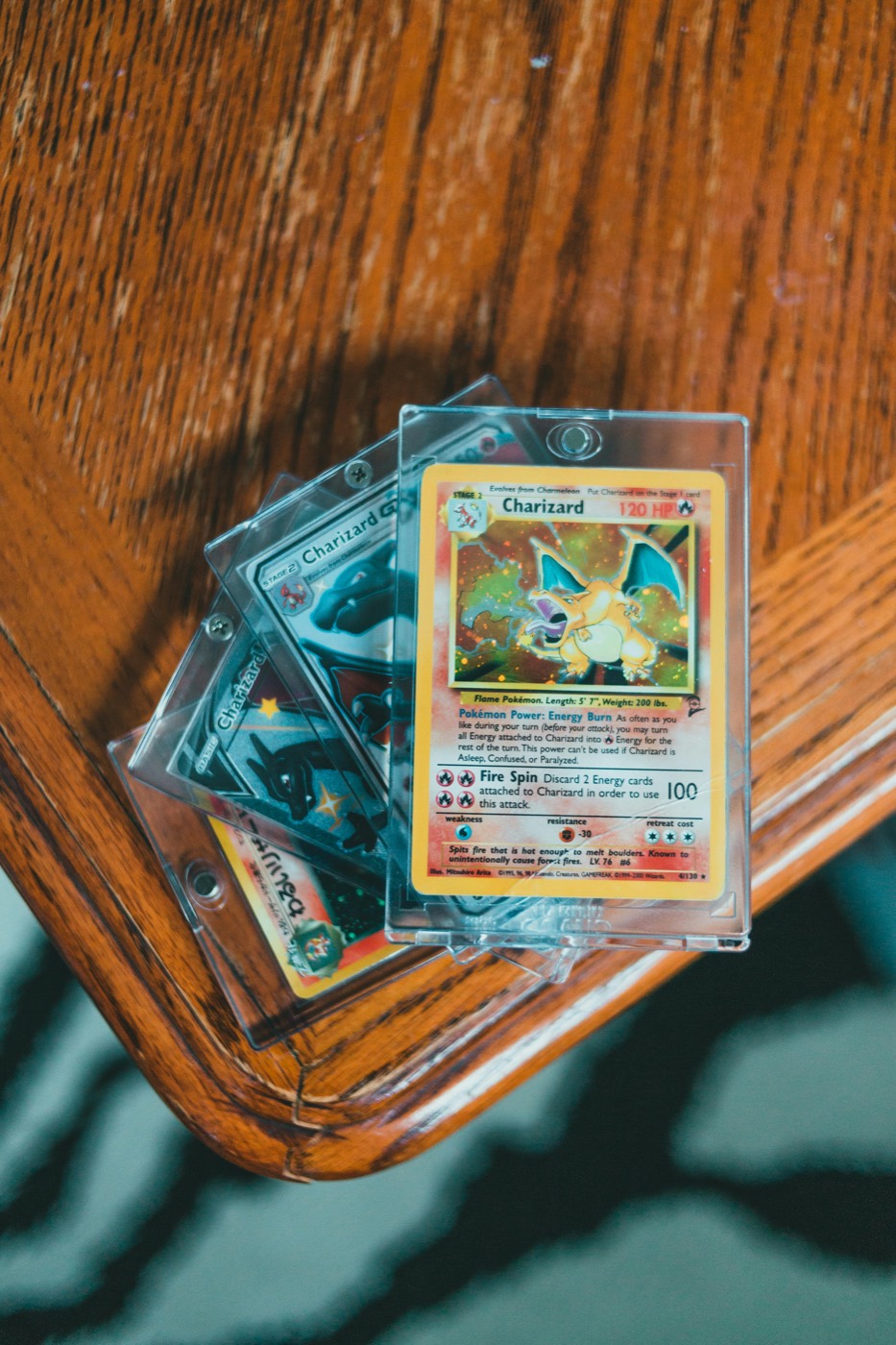
Light damage is slow, silent, and permanent
Bent corners and surface scratches are easy to see. Light damage is harder — it works gradually, often over months or years, and the card looks normal until you compare it to a fresh copy. By then the colors are dulled, the holo pattern has lost its punch, and the back may have started to yellow.
The most expensive part of light damage is that it is irreversible. A faded card cannot be un-faded, and a slabbed card with sun damage is locked in at whatever grade it received. Prevention is the only fix.
What light actually does to a Pokemon card
Pokemon cards are paper-core stock with a printed front and back layer and a thin gloss finish. Light affects the card in three ways:
- UV radiation breaks down the inks and the polymer gloss, fading saturation and dulling the surface
- Visible light at high intensity slowly bleaches paper fibers and ink, especially yellows, reds, and pinks
- Heat from direct light accelerates both effects and can warp the card if the temperature swings often
Holo patterns and reverse holo foils are particularly vulnerable — the metallic layer reflects light more aggressively but also fades unevenly when the surface gloss degrades.
The Pokemon card surface damage guide covers the visible side of these changes, and the Pokemon card condition guide explains how graders interpret faded color as a condition issue.
Where light damage actually happens at home
The risk is not always the spot you would expect. Most collectors who get burned by light damage did not park their cards on a windowsill. They left them somewhere that seemed safe.
Common high-risk spots:
- Shelves opposite a sunny window, even if the window is across the room
- Glass display cabinets near a south- or west-facing window
- On top of a desk under a strong LED task lamp
- Walls that receive late-afternoon sun for an hour or two each day
- Open binders left flat on a table in a sunlit room
Lower-risk spots:
- Interior closets with no exterior wall exposure
- Drawers and opaque storage boxes
- North-facing rooms with curtains drawn
- Display cases with UV-filtered glass and ambient-only lighting
The Pokemon card storage box guide covers the storage formats that block light entirely, which is the most reliable form of protection.
Indoor lighting matters more than people expect
Direct sunlight is the biggest risk, but artificial light damage is real over a long enough timeline.
What to watch:
- Bright halogen and older incandescent bulbs emit significant heat and small amounts of UV
- Fluorescent and some LED bulbs emit UV in narrow spectra that can still affect inks over years
- "Daylight" bulbs (5000K to 6500K) tend to emit more blue and UV light than warmer bulbs
The safer choices for a display area:
- Warm-white LEDs (2700K to 3000K)
- UV-filtered display lighting designed for art or photography
- Lower lumen counts angled away from the card surface
- Motion-activated lighting that only runs when the room is in use
How to display cards without sacrificing condition
You can display valuable cards safely — it just takes intention.
Display checklist:
- Use a UV-filtered display case or frame with anti-UV glazing
- Keep the display out of direct sunlight all day, every season
- Use warm, lower-intensity lighting inside the case
- Rotate the displayed cards every few months so no single card carries the full exposure
- Keep the most valuable pieces in opaque storage and display playable or duplicate copies instead
The how to display Pokemon cards without damaging them guide covers the display setup in more detail, and the Pokemon card magnetic case guide covers the inner holder that still needs the display environment around it.
Binder cards are also at risk
Open binder pages are a common source of slow light damage. The pages themselves are slightly tinted, but they do not block UV meaningfully on their own.
Lower-risk binder habits:
- Store binders closed and upright in a drawer or shelf away from sunlight
- Avoid leaving a binder open on a desk for long periods
- Keep premium pulls in top loaders or one-touches inside the binder rather than naked in side-loading pages
- Pick binders with opaque covers, not transparent ones
The Pokemon card binder guide, Pokemon card binder page layout guide, and how to plan a Pokemon card binder upgrade all assume the binder itself is being stored somewhere safe.
Sealed product and light
Sealed boosters, ETBs, and booster boxes are not immune. The printed packaging fades under prolonged light, and faded packaging directly affects sealed-product condition grading.
Practical habits:
- Store sealed product in opaque boxes or shelves with no direct light exposure
- Avoid stacking sealed product where the top item carries all the light exposure
- For long-term holds, store sealed product completely in the dark
The Pokemon sealed product condition guide covers how the packaging condition affects long-term value, and the how to track sealed Pokemon products guide covers the inventory side.
Spotting light damage early
Some signs you might already be losing condition to light:
- Yellow tones look duller than a fresh copy from the same set
- The back of the card looks slightly off-white instead of cool blue-white
- Holo patterns look "tired" or less sharp than you remember
- The card surface looks slightly hazier on one side than the other (uneven exposure)
If you notice any of these on a card you care about, move it into opaque storage immediately. You cannot reverse the damage, but you can prevent it from getting worse.
Track exposure as part of card history
For high-value cards, treat their light exposure as part of their condition history.
Useful notes per card:
- Current location at home (drawer, display case, binder)
- Approximate hours of indirect light per day
- Date moved to current location
- Date last inspected for color and gloss
The Pokemon card condition notes guide, Pokemon card collection tracker guide, and Pokemon card insurance inventory guide cover the inventory shape that holds these notes alongside identity and pricing.
The simple rule
Pokemon card light damage is slow, silent, and permanent — and it happens far from a sunny window when you give it enough time. Keep valuable cards in opaque storage, display only what you can afford to lose, and use UV-filtered cases plus warm, low-intensity lighting for anything on permanent show. Treat sunlight, indoor lighting, and even open binders as part of the same risk, and your cards will hold their color for the long timelines collectors actually care about.