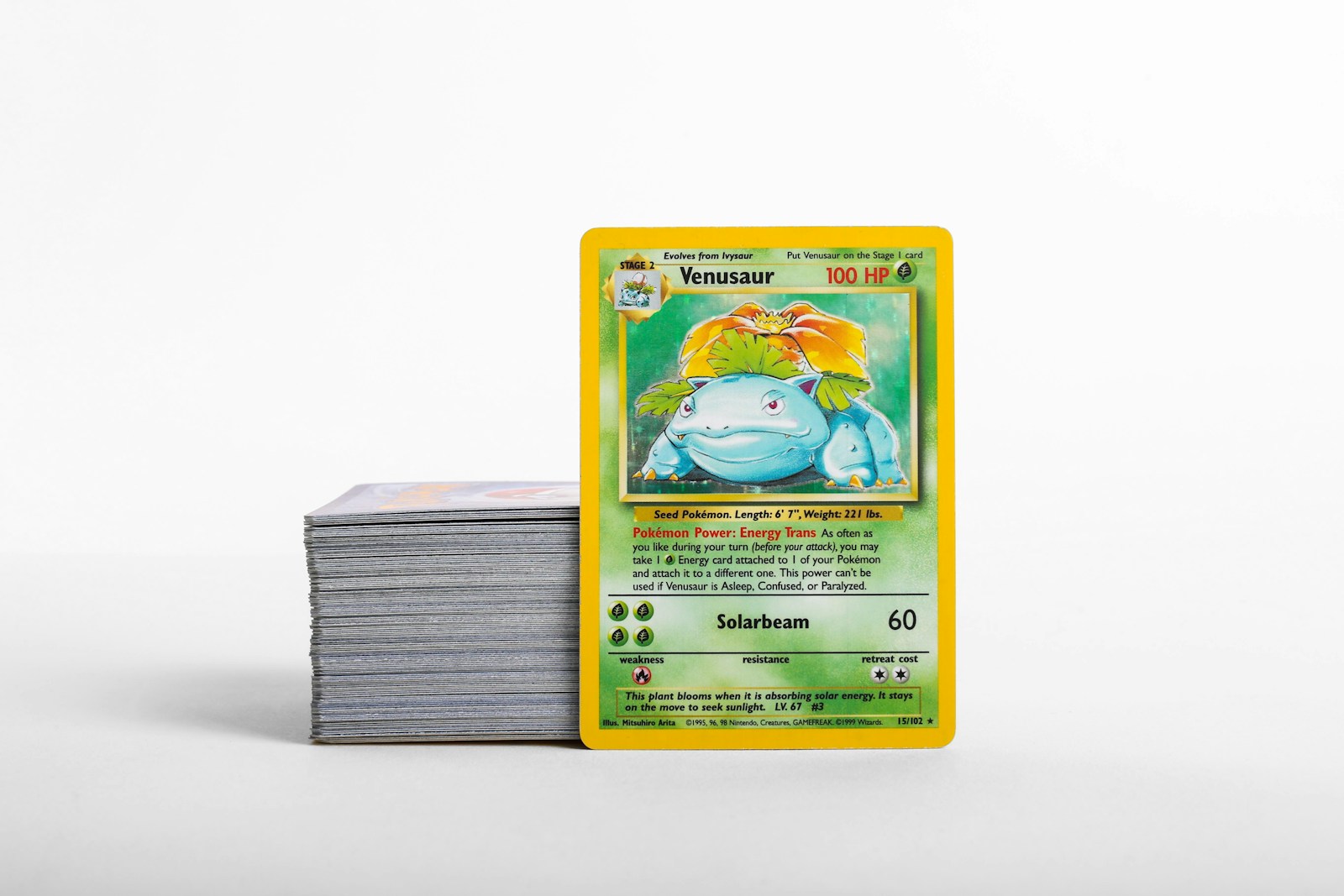
The mechanic that defined Sun & Moon
Pokemon GX cards were the backbone of the Sun & Moon era, the cards that took over from Pokemon-EX when that generation ended in 2016. Almost every set printed a wide spread of them, which is why GX is useful to understand: the suffix is everywhere, but a single GX Pokemon can be common bulk or a four-figure chase depending only on which version you hold.
What a Pokemon GX card is
A GX card is a powerful Pokemon — Basic or evolution — with high HP and one signature GX attack that can be used only once per game. The defining traits:
- The letters GX printed after the Pokemon's name
- A single GX attack marked with a black GX banner
- Full-art style framing on the rarer versions
- A "your opponent takes 2 Prize cards" knockout drawback in play
For a collection, the important point is that the same GX Pokemon almost always shipped in multiple finishes within one set, and those finishes are what separate a throwaway from a centerpiece.
The rarity ladder that decides value
A given GX Pokemon could appear as a standard GX, a full-art GX, a rainbow rare GX, and a gold secret GX. Knowing which one you hold is the entire valuation:
- Standard GX: the base, non-full-art version, common and usually low value
- Full-art GX: the textured full-art version, scarcer and more desirable
- Rainbow rare GX: the textured rainbow secret, a chase tier
- Gold secret GX: the gold hyper-rare version, a separate premium tier
The later Tag Team GX cards extended this mechanic to two-Pokemon cards with even bigger chases — the Tag Team GX guide covers those, and the full art guide and rainbow rare guide explain the neighboring tiers.
How to tell your GX version apart
Because the artwork repeats across versions, check the finish and the set number:
- Look for the textured foil that marks a full-art, rainbow, or gold version
- Compare the collector number to the set total — secrets sit above the base count
- Check whether the scene is a plain portrait or a full alternate illustration
- Confirm the set symbol to place the card in the right Sun & Moon set
The how to read Pokemon card set symbols and numbers guide makes the secret-number check fast, and a Pokemon card scanner pins down the exact printing so you are not pricing against the wrong listing.
What GX cards are worth now
The vast majority of standard GX cards are bulk — they were printed in large numbers and the base versions carry little premium. Value concentrates in the rainbow and gold versions of popular Pokemon, plus the full-art versions of perennial chase species. Because Sun & Moon is recent enough that supply is still large, the market rewards only clean, well-centered, high-grade copies. Always confirm the specific version's comps with a Pokemon card price checker before assuming a GX is valuable, and track anything you keep in a Pokemon collection app.
The simple rule
A Pokemon GX card is the core Sun & Moon mechanic with a once-per-game GX attack, and its value is decided almost entirely by which version you hold — standard, full art, rainbow, or gold. Identify the exact printing, check the texture and secret number, and price that specific version; a base GX is bulk while its rainbow or gold sibling can anchor a collection.