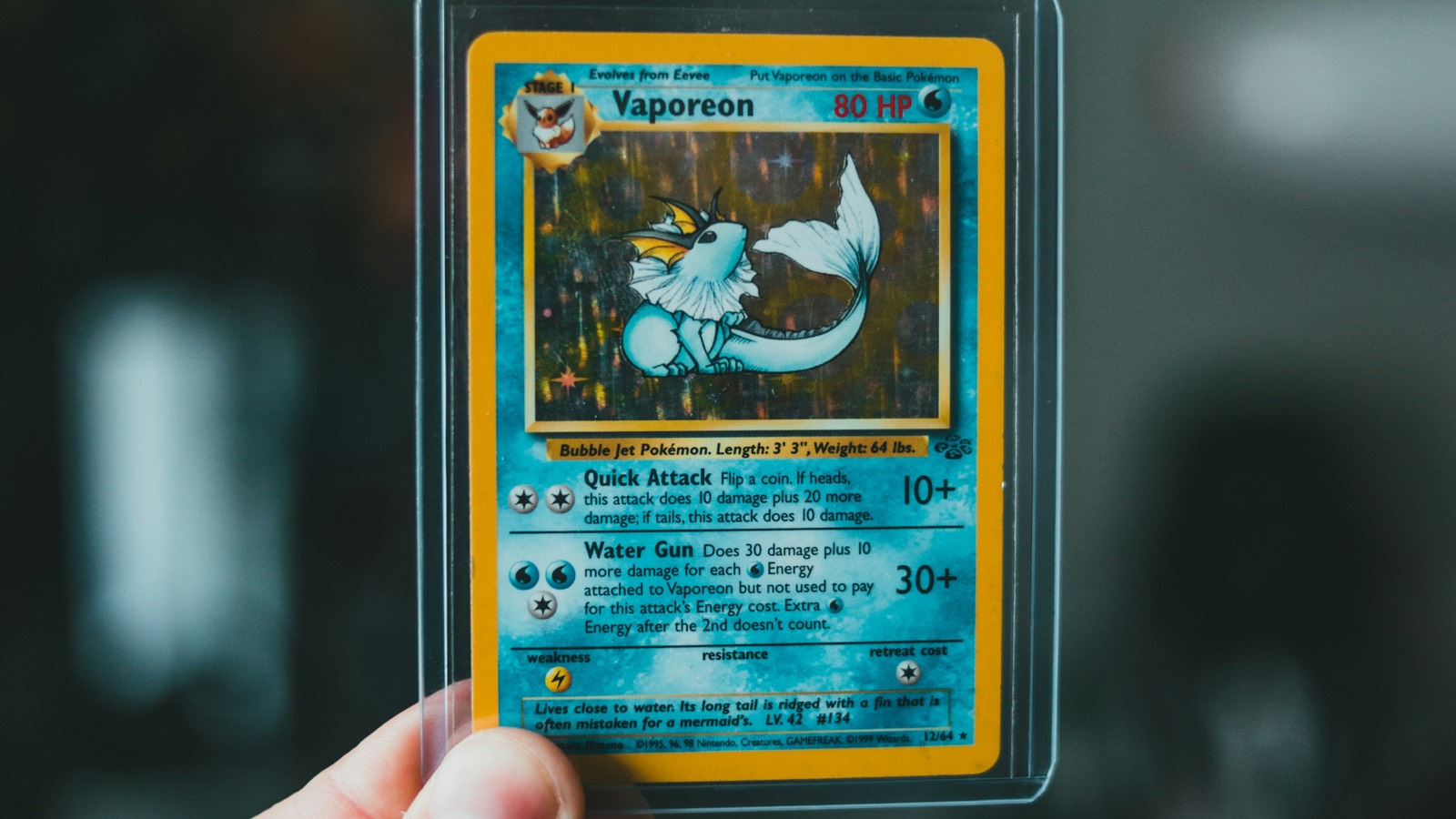
Grading prep should happen before the submission form
Many grading mistakes happen because collectors choose cards too quickly. A card looks clean in a sleeve, gets added to the submission pile, and only later reveals whitening, surface scratches, dents, or centering issues that made the fee a bad bet.
A Pokemon card grading prep station gives every candidate the same inspection routine before it leaves home.
Set up simple, repeatable lighting
You do not need a studio. You need a clean desk, stable light, and enough space to inspect one card at a time. Use:
- Soft overhead or angled light
- A dark, clean surface
- Penny sleeves and semi-rigid holders nearby
- Microfiber cloth for the table, not aggressive card cleaning
- Phone camera for front and back photos
- A place for reject, maybe, and submit piles
Avoid rushing through cards on a couch, bed, or cluttered table. Handling risk goes up when the workspace is messy.
Inspect before assigning hope
Check the card before thinking about the grade you want. Look at:
- Centering
- Corners
- Back edge whitening
- Surface scratches
- Dents or pressure marks
- Foil curl
- Print lines
The pre-grade inspection checklist gives a deeper pass if you are deciding between raw sale, binder copy, or grading candidate.
Photograph every serious candidate
Take front and back photos before the card goes into the submission stack. Add closeups for flaws. These photos help you remember why the card was submitted and protect the record if the result surprises you.
For expensive cards, add the photos to your Pokemon card collection app with condition notes and estimated raw value. A grading submission should not become a mystery box.
Sort by decision, not excitement
Use three piles:
- Submit now
- Hold and recheck
- Keep raw
Cards in the hold pile are often the ones where the math is unclear. Compare grading fees, expected grade, market value, and resale plan with the grading cost guide before paying for a submission that cannot justify itself.
Record submission intent
Before shipping, write why each card is being graded:
- Personal collection slab
- Sale candidate
- Registry or set goal
- Authentication
- Protection for long-term storage
Then use the grading submission tracking guide to follow order date, service level, cert numbers, grades, fees, and final decisions after return.
Keep safety boring
Do not over-clean cards, press cards flat, or experiment with risky fixes. Prep means inspecting, documenting, sleeving, and packaging carefully. If a card has a serious flaw, the better answer is usually to keep it raw or wait for a cleaner copy.
The toploader vs magnetic case guide can help choose storage for cards that do not make the submission.
The simple rule
A Pokemon card grading prep station should make grading decisions slower, cleaner, and more repeatable. Inspect under steady light, photograph candidates, sort by expected outcome, and record the reason before the card leaves home. Better prep prevents expensive hope-based submissions.