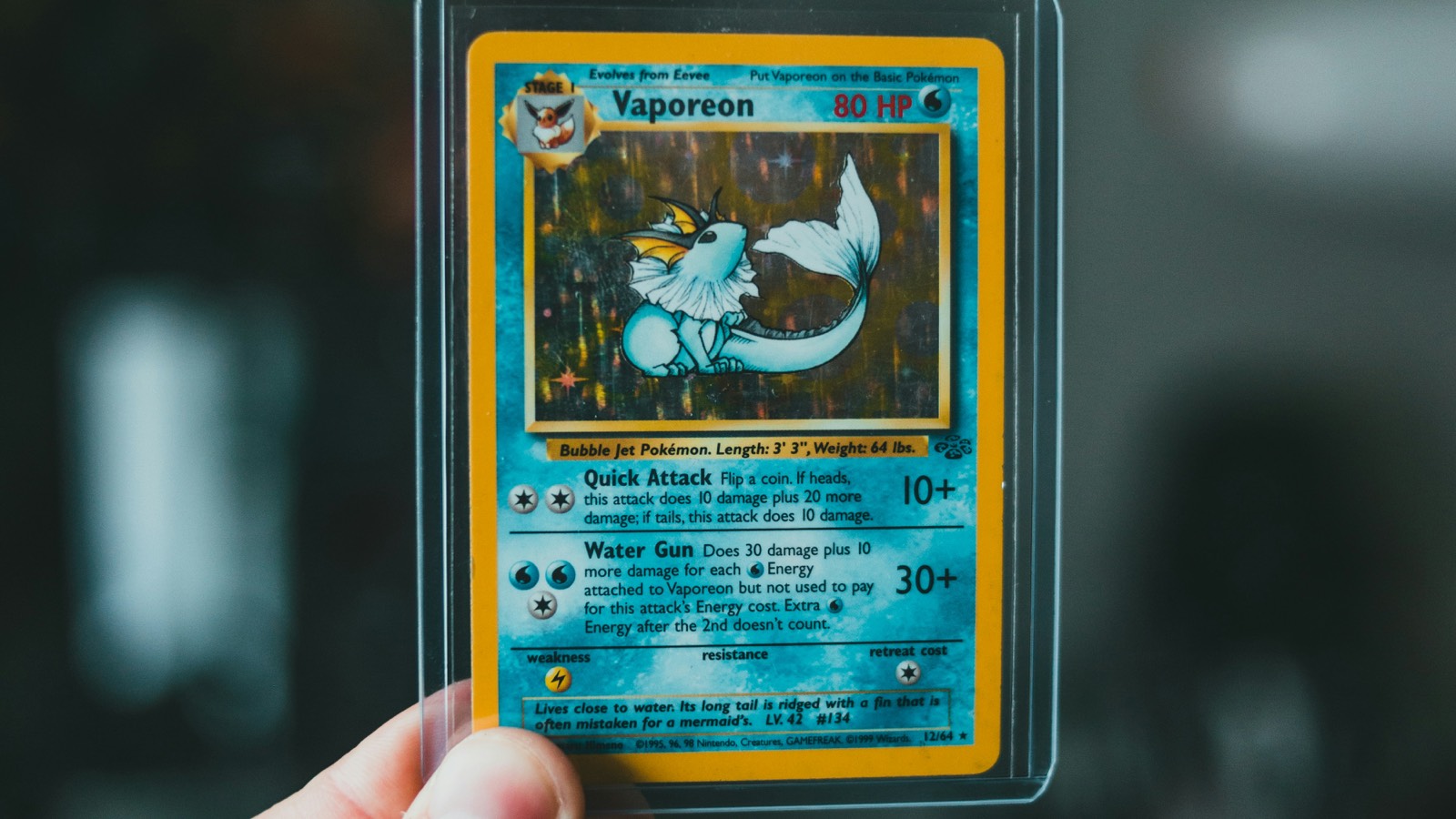
The 9-to-10 gap is not the same on every card
Collectors often talk about PSA 10 as if it is always the goal, but the difference between a PSA 9 and PSA 10 depends on the exact card. On some modern cards the premium can be modest because gem-mint supply is large. On vintage, low-pop, or highly demanded cards, the grade jump can change the whole selling strategy.
The question is not simply whether a PSA 10 is better. It is whether the specific card has enough demand and scarcity to reward the risk.
Start with the raw card's weak points
Before thinking about the label, inspect the card like a grader. Look at centering, corners, edges, surface, print lines, whitening, dents, and texture. A card can look clean in a sleeve and still have a small flaw that keeps it out of a 10.
Use the Pokemon card condition guide, centering guide, and edge wear guide before assuming a card is a realistic gem-mint candidate.
Compare real sales, not only asking prices
The PSA 10 premium should come from sold listings. Active listings can exaggerate the spread, especially when sellers anchor high after a hype cycle. Compare PSA 9 sales, PSA 10 sales, raw near-mint sales, and recent sale dates.
The sold listings guide and market price vs listing price guide help keep the comparison honest.
Population reports explain part of the premium
Population reports show how many graded copies exist at each grade. A card with many PSA 10s may still be valuable if demand is strong, but the supply story is different from a card where 10s are genuinely scarce.
Look at grade distribution, not just total population. If thousands of 10s exist and 9s are close in price, paying a big premium may not make sense. If 10s are rare and buyers keep chasing them, the spread may be defensible.
Fees and downside matter before submission
Grading is not free. Shipping, insurance, grading fees, wait time, and sale fees all reduce the upside. If the card returns a PSA 9, will the graded value still beat the raw value after costs? If not, the submission is mostly a bet on a 10.
The grading cost guide and pre-grade inspection checklist are useful before you send anything.
PSA 9 can be the smarter collector buy
For personal collections, PSA 9 can be a strong value tier. You get authentication, protection, and a high-grade copy without paying the full gem-mint premium. That matters on cards where the PSA 10 price is driven more by label psychology than by visible collector enjoyment.
If you are buying to hold or display, decide whether the extra cost of a 10 actually changes your satisfaction or resale plan.
Track the reason you chose the grade
When you add the card to a Pokemon card collection app, record whether it is a display copy, investment hold, resale candidate, or grade upgrade target. A PSA 9 and PSA 10 may both belong in a collection, but they usually serve different jobs.
The simple rule
A Pokemon card PSA 9 vs PSA 10 decision should be based on exact identity, condition evidence, population, real sold comps, grading costs, and your collector goal. Chase the 10 when the math and condition support it; choose the 9 when the premium is mostly label pressure.