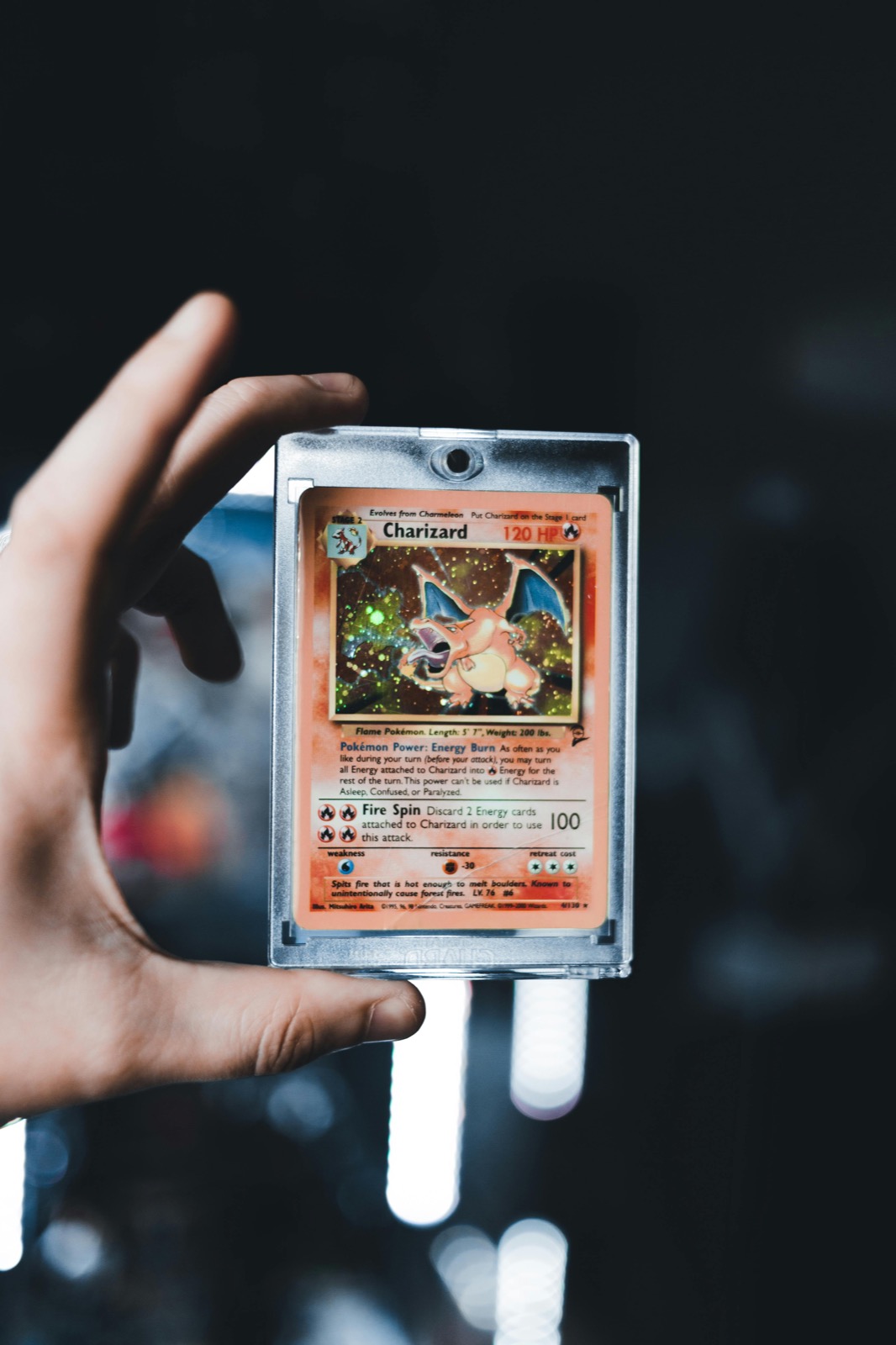
First edition is a specific claim, not a general compliment
Collectors use "first edition" carefully because it changes expectations, pricing, and authenticity checks. A card being old, nostalgic, holographic, or from the Base Set does not automatically make it first edition. The card needs the right print marker for the right era, and the rest of the card needs to match that claim.
If you are checking a card from a childhood binder, start by slowing down. The mistake is usually not missing a treasure. It is comparing an unlimited card to first edition sold listings and building a value estimate on the wrong identity.
Look for the first edition stamp in the right place
For early English Pokemon cards, the first edition marker is a small black "Edition 1" stamp on the left side of the card art area. On many non-holo cards it sits below the artwork. On Base Set holos, its exact visual context can feel different because of the card frame and holo window.
When you check the stamp, confirm:
- The stamp is printed cleanly, not added later
- The location matches the set and card type
- The rest of the card layout matches the expected era
- The card number and set symbol make sense together
The set symbols and numbers guide is the best companion if you are still confirming which set the card belongs to.
Do not confuse shadowless with first edition
Shadowless Base Set cards are important, but shadowless and first edition are not the same thing. Some Base Set cards are first edition shadowless. Some are shadowless without the first edition stamp. Many are unlimited and have the later shadowed layout.
This matters because the market treats those printings differently. If your card is shadowless but not stamped first edition, it may still be desirable, but it should not be priced against stamped first edition copies.
Modern cards use different signals
Modern Pokemon TCG sets do not use the old first edition system in the same way. Collectors may talk about "first wave," "pre-release," "staff promo," "stamped promo," or "launch product," but those are different claims. A modern stamp, promo logo, or release event mark should be evaluated on its own terms.
Before calling a modern card first edition, ask whether that term is actually used for the product. If the answer is no, track the card by exact variant instead. PokeSnap's Pokemon card database guide is useful because exact identity matters more than casual labels.
Condition still controls the final value
A first edition stamp does not erase condition problems. Whitening, dents, binder pressure, holo scratches, surface clouding, bends, and poor centering all change value. Early cards often spent years unsleeved, so condition gaps are common.
Check the card under angled light and compare it honestly against the Pokemon card condition guide. If the card might be valuable, photograph the front and back before storing, selling, or submitting it.
Watch for altered or misleading listings
High-value first edition cards attract bad listings. Be cautious with photos that hide the back, crop the stamp, avoid angled light, or use vague wording like "first print style" instead of a direct first edition claim. For expensive cards, authenticity and condition verification matter more than speed.
The fake Pokemon card guide covers broader red flags. For first edition cards, the key is simple: the stamp, card stock, print pattern, set details, and wear should tell one consistent story.
Use comps only after identity is locked
Sold listings are useful only once the exact print is confirmed. Search results often mix first edition, shadowless, unlimited, graded, raw, damaged, Japanese, and promo copies. That creates inflated expectations fast.
Use the Pokemon card sold listings guide after you have confirmed:
- Exact set
- First edition stamp status
- Language
- Holo or non-holo status
- Raw or graded condition
Only then does the Pokemon card price checker become part of a reliable workflow instead of a source of mismatched comparisons.
The simple rule
To identify a first edition Pokemon card, confirm the correct stamp, verify the set and layout, separate shadowless from stamped first edition, and judge condition before comparing prices. First edition value comes from exact identity plus condition, not from age alone.