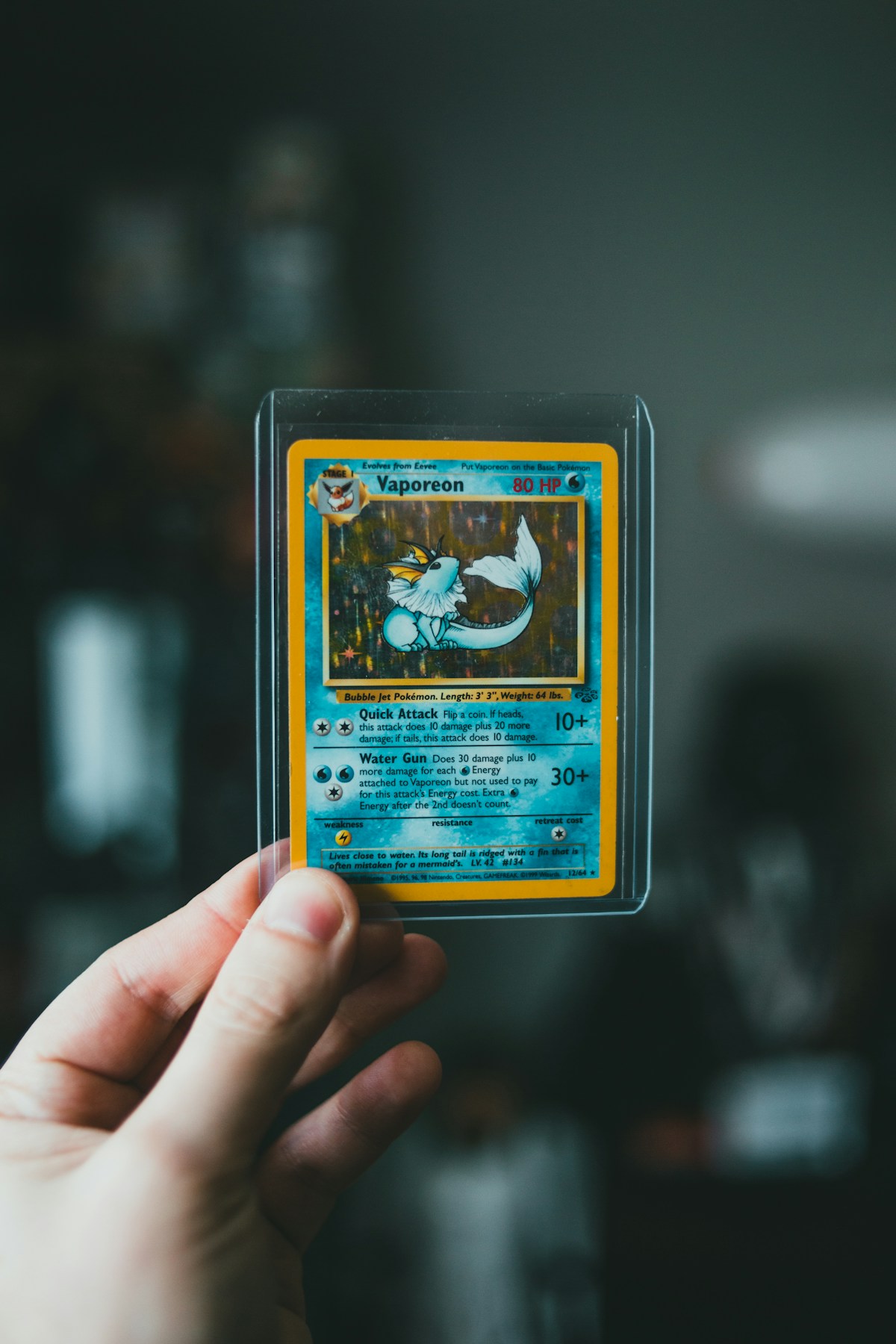
A slab is supposed to be the trust layer
The entire point of a graded slab is to remove uncertainty. A sealed case from a reputable grading company is meant to tell you the card inside is authentic, accurately graded, and untampered. That trust is exactly why counterfeiters target slabs — a convincing fake case lets a bad actor sell a reprint, a trimmed card, or an inflated grade at full graded-card prices.
Fake slabs are still relatively rare compared to raw counterfeits, but they are getting better, and the dollar amounts at stake are higher. A collector buying graded cards needs a verification routine just as much as one buying raw cards.
Why fake slabs exist
There are a few distinct scams that all hide behind a slab, and knowing which one you are guarding against changes what you look for.
The common varieties:
- Fully counterfeit case around a fake or reprinted card, with a fabricated label
- Genuine case, swapped card where a real slab is cracked, the card replaced, and the case resealed
- Fabricated label with a real-looking grade but a cert number that does not exist
- Inflated-grade fake where a low-value card is presented as a high grade
Each of these fails a different check. The good news is that a single thorough verification routine catches all of them, because the one thing a counterfeiter cannot fake is the grading company's own database.
The single most important check: the cert number
Every major grading company — PSA, CGC, BGS — assigns a unique certification number to each card and publishes a public lookup. This is your strongest defense and it costs nothing.
The verification routine:
- Find the cert or serial number printed on the label
- Look it up in the grading company's official online verification tool
- Confirm the card name, set, number, and grade match the slab in front of you
- Compare the population data and any cert photo the company shows
- Treat any cert that does not exist in the database as an immediate red flag
If the lookup shows a different card, a different grade, or no record at all, walk away. A real slab always matches its own database entry. This check alone defeats fabricated labels and most card swaps.
Before you even reach the slab inspection, confirm which card you are actually looking at — identify the exact printing with a Pokemon card scanner and confirm a clean graded copy's value with a Pokemon card price checker so you know whether the price makes sense for the claimed grade.
Inspecting the label
Counterfeit labels have improved, but they still tend to fail under close inspection. Grading companies use specific fonts, layouts, hologram elements, and print quality that are hard to replicate exactly.
What to scrutinize on the label:
- Font consistency, spacing, and alignment against a known-genuine reference
- Print sharpness — fakes often look slightly soft, pixelated, or off-color
- Hologram or security elements that should shift or shimmer at an angle
- Correct set name, card number, and grade formatting for that company
- Any spelling, capitalization, or terminology that looks subtly wrong
Keep a known-genuine slab from the same company nearby as a reference whenever possible. Side-by-side comparison reveals label problems that are invisible in isolation. The Pokemon card grading company comparison and Pokemon card PSA vs CGC vs BGS guide cover the label and case differences between the major companies.
Inspecting the case itself
A swapped-card scam relies on cracking and resealing a genuine case, so the case construction is where that fraud shows up. Authentic slabs are sealed with a consistency that is hard to reproduce by hand.
Case inspection points:
- Look for any seam, glue residue, or melt marks suggesting the case was reopened
- Check that the case edges are uniform and factory-sealed all the way around
- Watch for tiny air gaps, bubbles, or a card that shifts inside the case
- Inspect the corners of the case for tampering or re-gluing
- Compare the case thickness and finish to a genuine reference slab
A resealed case almost always shows imperfections along the seal line. If the card moves inside, or the seam looks worked, treat it as a swapped slab until proven otherwise.
Sanity-checking the grade against the card
Even a genuine slab with a real cert can be a trap if the grade does not match what your eyes see — usually a sign of a swapped card inside an authentic-looking case. Your inspection skills still apply through the plastic.
Cross-check the visible card against the claimed grade:
- A high grade should show clean centering, sharp corners, and no surface lines
- Visible whitening, off-centering, or a print line on a "gem mint" slab is a contradiction
- The card's gloss and color should look consistent with a genuine print
- Anything that looks trimmed, reprinted, or off in color deserves a hard stop
The Pokemon card centering guide, Pokemon card condition guide, and how to tell if Pokemon cards are fake cover the inspection skills that let you judge whether the card matches its grade through the case.
Buying graded cards safely
Most fake-slab losses come from rushed purchases in low-trust settings. A few buying habits remove almost all of the risk.
The safer-buying habits:
- Always verify the cert number before paying, no exceptions
- Prefer sellers with a track record and clear, multi-angle photos
- Be extra cautious with deals that are well below market for the grade
- Ask for additional photos of the label, case seams, and cert number
- Use payment methods with buyer protection for high-value graded cards
A price that is too good for the grade is the most reliable warning sign of all. Anchor every purchase against real comps using the how to find Pokemon card comps and how to compare raw and graded Pokemon card prices guides, and record the cert numbers of cards you own in your Pokemon collection app so your graded inventory is verifiable later.
The simple rule
A slab is only as trustworthy as the cert number you can verify in the grading company's own database — so verify it every time, before you pay. Inspect the label and case for tampering, sanity-check the visible card against its claimed grade, and treat any too-good-for-the-grade price as a warning. The collectors who never get burned by fake slabs are the ones who treat the public cert lookup as a non-negotiable step, not an optional one.