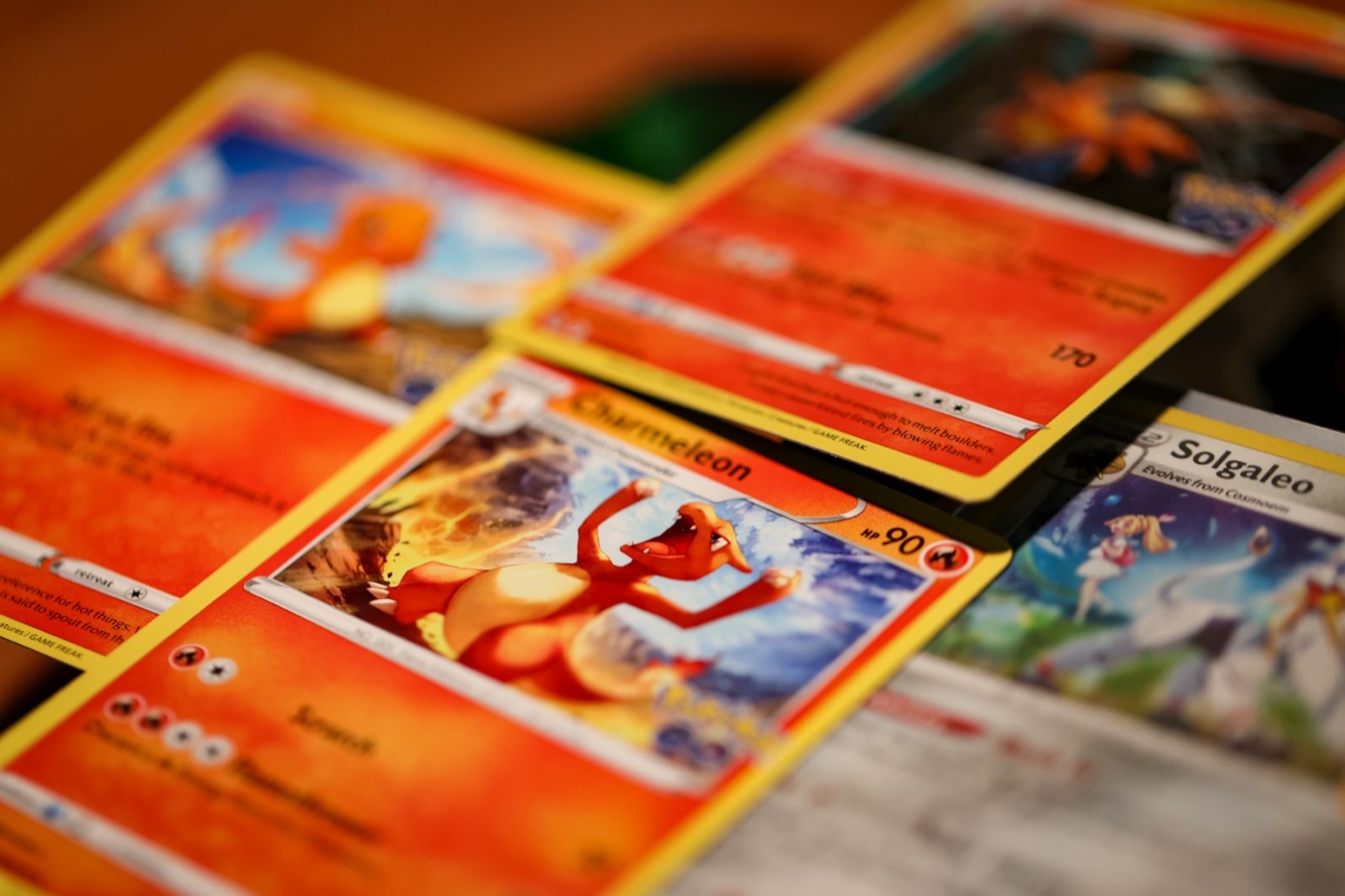
Evolution lines are their own collection goal
Some collectors target a set. Some target a single chase card. Evolution line collectors target a family: every member of a Pokemon's evolution chain, sometimes across multiple sets, languages, and variants. The goal is satisfying because it tells a story, but it can quickly become chaotic without a structure.
A clean evolution line collection is built on three habits: exact identity per card, a clear definition of "complete," and tracking that survives the next pack opening.
Define the line before you buy anything
The first decision is which version of "evolution line" you want. The most common shapes are:
- One copy of each evolution from one specific set
- One copy across any set per evolution stage
- One copy of each evolution in every set the line appears in
- A multi-variant goal that includes holo, reverse holo, illustration rare, or alt art
There is no right answer, but the choice changes the budget, the timeline, and the storage plan. Write it down before you start buying. Without a clear scope, collectors often end up with mismatched stages from different sets, then feel obligated to buy "the right one" later.
Confirm exact identity per card
Evolution line collecting magnifies identity mistakes. A Charmander, Charmeleon, and Charizard sound like one project, but the printings can come from completely different sets, languages, and variants. Before adding any card to the line, confirm:
- Set name and symbol
- Collector number
- Language
- Variant or finish
- Holo or non-holo
PokeSnap's Pokemon card scanner, Pokemon card database guide, and the how to read Pokemon card set symbols and numbers guide make this faster, especially when the same character appears in many sets.
Track duplicates as part of the plan
Evolution line collectors often own many duplicates of the early stages because they come more easily from pack opening or trades. Treat duplicates as their own line in the inventory, not as silent overflow.
Useful columns to track:
- Evolution stage and Pokemon name
- Set and collector number
- Variant
- Condition
- Owned count
- Whether the copy is keeper, trade, or sale
The how to track Pokemon card duplicates and how to value Pokemon card duplicates guides cover how to convert duplicates into resources without losing the keeper copies.
Mix sets carefully if that is the goal
If you allow any set to fill each stage, the line can look inconsistent across eras. Some collectors love that mix. Others want every stage to share the same set theme. Decide which version you want and stop buying off-theme upgrades once you reach it.
If the goal is one card per evolution stage per set the line appears in, the project becomes a full multi-set checklist. The Pokemon card checklist guide and how to complete a Pokemon master set guides apply directly to this kind of plan.
Set a per-stage budget
Evolution lines often have a clear value gradient: the final evolution is the most expensive, while early stages are common. That makes it easy to overspend on the chase card and underspend on the basics, leaving the line technically incomplete because no one focused on a $2 card.
A simple per-stage budget keeps the line balanced:
- Cap each early stage at a small fixed amount
- Reserve the largest share for the final evolution
- Use trades to fill in low-value stages cheaply
- Avoid buying upgraded final evolutions until earlier stages are confirmed
The how to set a Pokemon card collecting budget and how to decide which Pokemon cards to sell guides cover the broader budget structure.
Store the line as a group
Storage is part of the experience for evolution line collectors. The line is more enjoyable when it can be seen together, either in a binder layout, a top loader stack, or a display setup.
Practical defaults:
- Sleeve every card before placing it in storage
- Use a consistent binder page layout that fits the line
- Avoid mixing the line with unrelated cards on the same page
- Keep duplicates and trade copies in a separate section
The how to organize Pokemon card collection, Pokemon card binder page layout guide, and how to protect Pokemon cards guides cover the rest of the workflow.
Review the line after every new release
When a new set comes out, evolution line collectors often discover the family appears again with new artwork. Build a habit of reviewing the line each release:
- Note any new printings of any stage
- Decide whether they fit your scope
- Update the checklist
- Plan a buy, trade, or skip for each new printing
The Pokemon card collection review routine and how to organize Pokemon cards after a new set release guides explain how to keep the line current.
The simple rule
Pokemon card evolution line collecting is a focused project that needs a clear scope, exact identity per card, duplicate tracking, a balanced budget, and consistent storage. Define what "complete" means upfront, and the line becomes a story you finish instead of a pile that keeps growing.