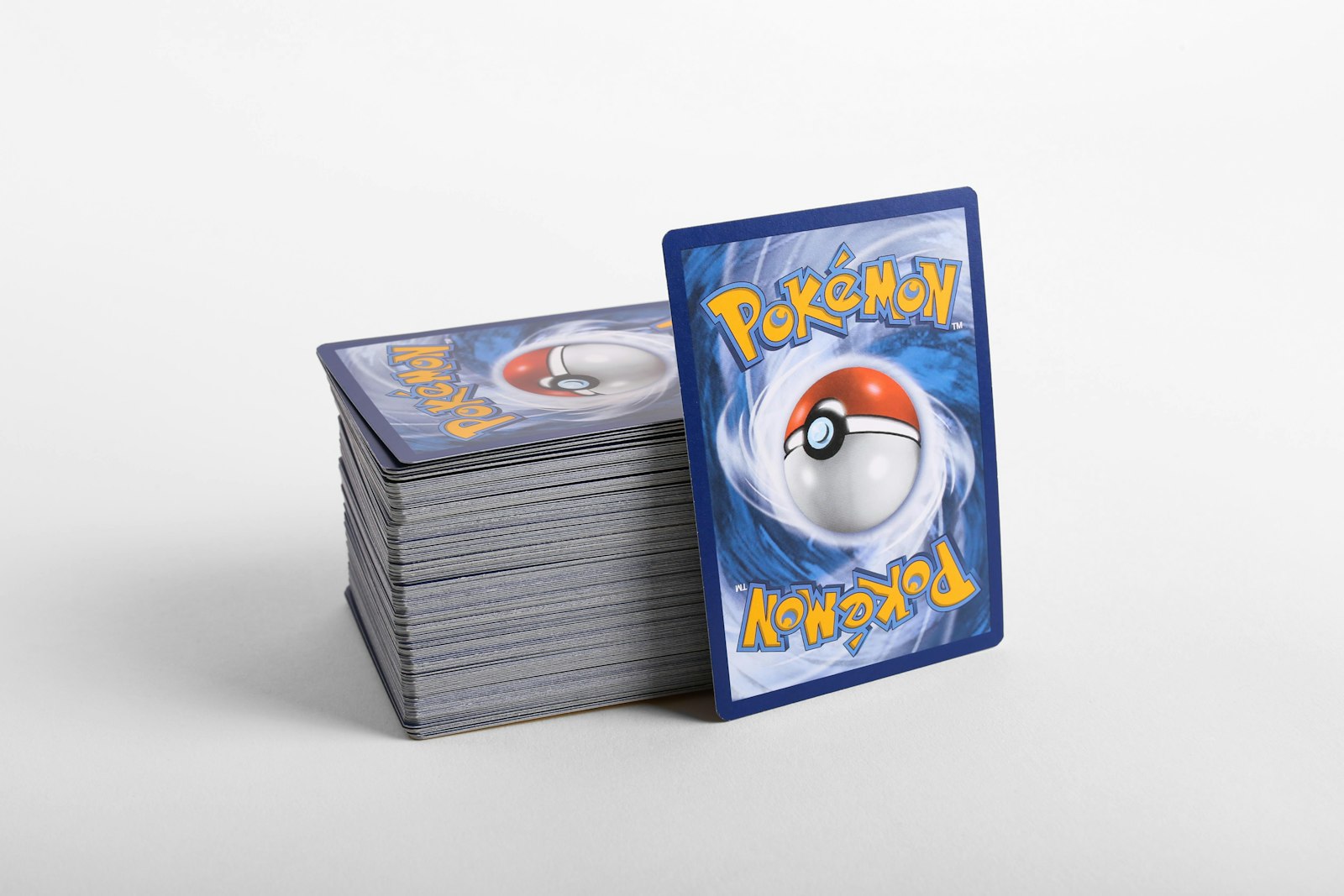
Display cards should still be inventory
Displaying Pokemon cards makes a collection feel alive, but it also creates a tracking problem. A card can leave the binder for a shelf, desk, frame, case, or content setup and then stop matching the collection record.
A display rotation plan lets you enjoy favorite cards without losing track of condition, location, or exposure.
Choose the purpose of the display
Start by deciding what the display is for. It might show favorite artwork, recent pulls, graded slabs, a master set highlight, a seasonal theme, or cards you want to appreciate before selling.
The purpose keeps the display from becoming random overflow. If a card is only there because it has no binder slot, use the binder overflow system guide instead.
Use safe display rules
Cards on display face more light, dust, handling, and temperature swings than cards in storage. Keep displays away from direct sunlight, humid rooms, hot windows, and places where visitors touch them casually.
Use sleeves, top loaders, graded cases, acrylic stands, or UV-aware display cases depending on the card's value. The display case guide covers protection choices in more detail.
Rotate on a schedule
A rotation schedule prevents one group of cards from sitting exposed for too long. Monthly or seasonal rotations work well for most collectors. Record:
- Which cards are currently displayed
- Where they are displayed
- When they went out
- When they should return to storage
- Any condition notes after removal
The schedule can be simple, but it should exist before the display becomes permanent by accident.
Track display location in your app
If your Pokemon card collection app supports notes or locations, mark display cards clearly. Use labels like "desk stand", "shelf case", "graded display", or "photo setup".
This helps when you audit the collection, prepare for a show, or decide whether a card is missing. The card is not missing if the record already says it moved to display.
Inspect cards during each rotation
When a card leaves display, check for dust, case scratches, sleeve fogging, edge wear, sun fading, and any marks from the stand. For raw cards, avoid repeated unsleeving just to admire the surface.
The display should make the collection easier to enjoy, not slowly lower condition.
The simple rule
A Pokemon card display rotation plan keeps showcased cards connected to the real inventory. Pick a purpose, protect against exposure, rotate on a schedule, track location, and inspect condition before cards go back into storage.