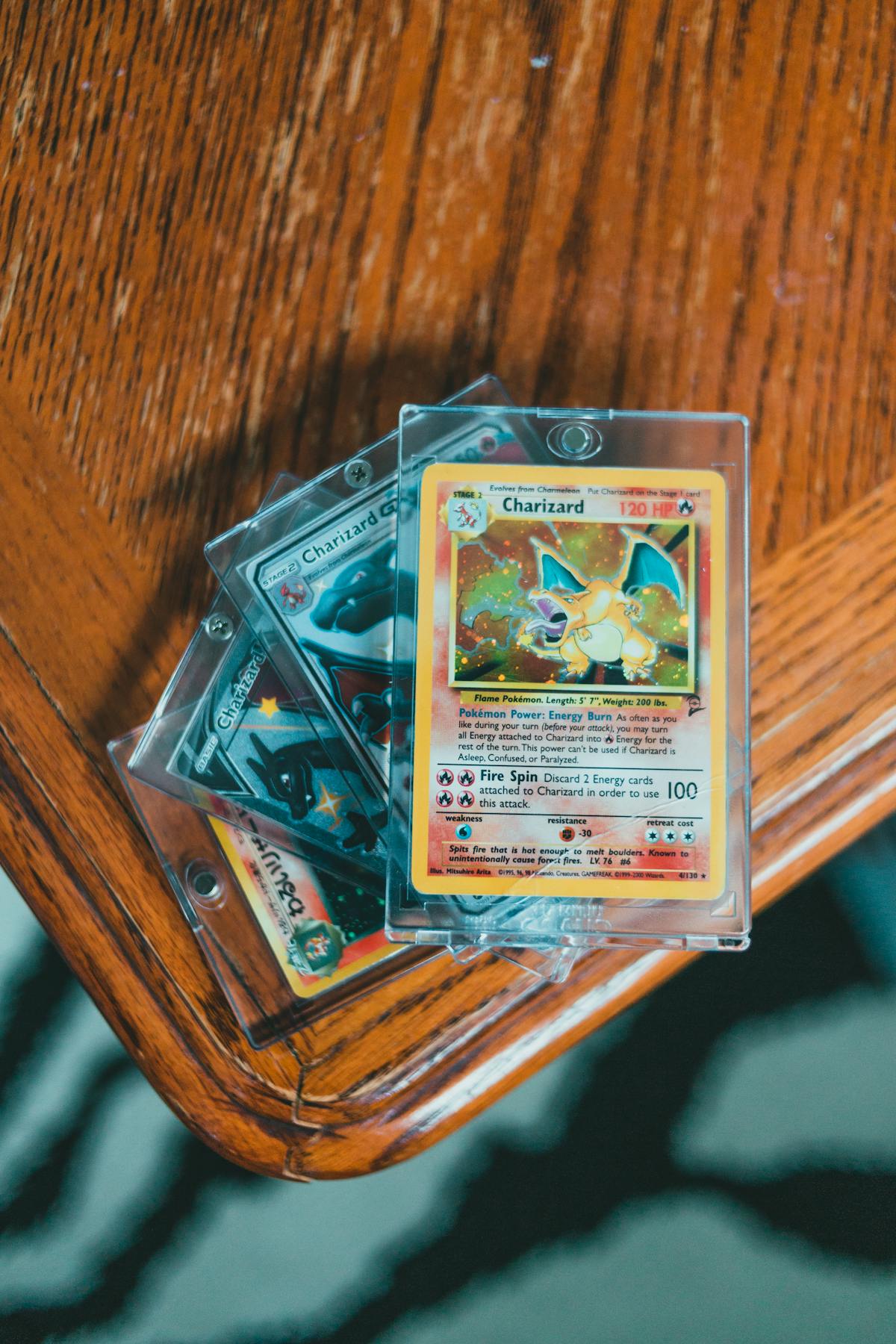
A buylist is not the same thing as market value
Pokemon card buylists can be useful because they turn cards into cash or store credit quickly. But a buylist offer is not the full market value of the card. It reflects what the store is willing to pay after considering condition, demand, resale risk, labor, and margin.
That does not make buylists bad. It means collectors should use them for the right job.
Start with exact card identity
Before comparing offers, confirm the exact version. A store buylist may separate cards by set, collector number, language, rarity, and condition. If you choose the wrong version, the offer will be wrong before the condition review even begins.
Use the Pokemon card scanner or database lookup first, especially for reprints, promos, and cards with similar names. The Pokemon card reprint guide is a useful companion when identity is unclear.
Compare the buylist offer to your real alternative
The right comparison is not buylist price versus the highest listing you can find. The better comparison is:
- buylist payout
- likely direct sale price
- platform fees
- shipping cost
- time to sell
- return or dispute risk
A lower buylist can still make sense if the alternative requires weeks of listing work for only a small difference.
Sort cards by reason for selling
Do not send cards to a buylist just because they are available. Sort by intent:
- duplicates you do not need
- cards outside your collection goals
- playable staples with timely demand
- lower-priority hits funding a stronger target
- cards with condition issues you do not want to list individually
This prevents accidental selling of cards that still matter to your collection.
Check condition against the store standard
Stores can be stricter than casual collectors. Whitening, dents, surface scratches, and edge wear can reduce the final payout. Before submitting, compare your card honestly against the store condition rules and your own Pokemon card condition guide notes.
If the expected grade is uncertain, photograph the condition first. That record helps you understand why a payout changed after review.
Use price checks to find the cutoff line
A Pokemon card price checker helps you decide which cards deserve individual sale effort and which are better as buylist candidates. Higher-value cards may justify direct selling. Lower-value duplicates may not.
The cutoff is personal. If a card requires too much time relative to the extra payout, the buylist may be the cleaner decision.
Update inventory before the cards leave
Before shipping or dropping cards off, remove or mark them in your Pokemon card collection app. Record what is leaving, where it is going, and whether payment is pending. This avoids a common problem: sold cards still appearing in portfolio value weeks later.
For larger outgoing batches, pair this with how to price a Pokemon card lot so the group value stays realistic.
The simple rule
Use Pokemon card buylists when speed, simplicity, and lower friction matter more than squeezing out every possible dollar. Confirm exact identity, compare against realistic alternatives, check condition carefully, and update inventory before the cards leave your collection.
If you are still choosing between selling channels, continue with where to sell Pokemon cards.