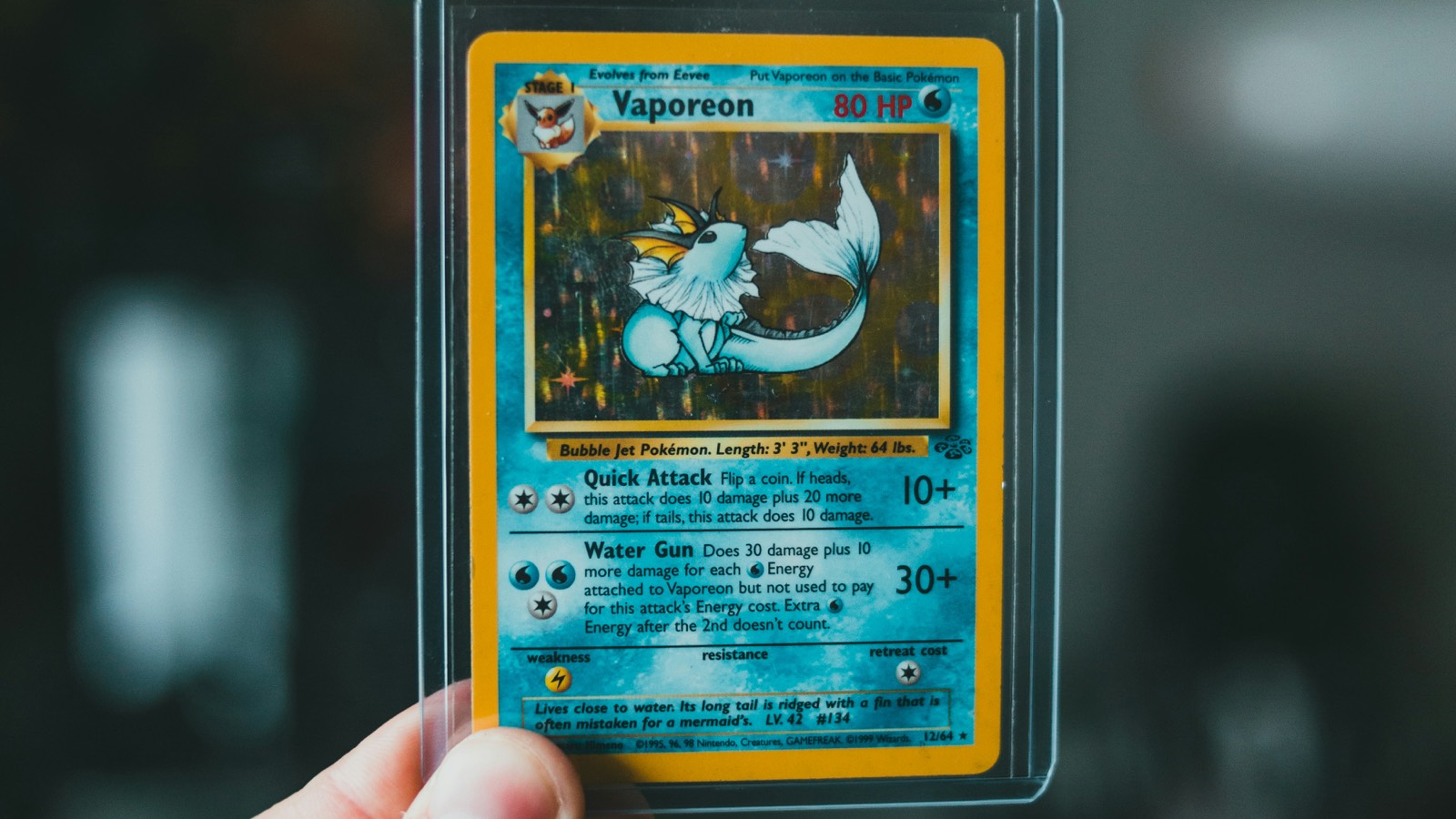
Every good card needs a job
Not every good Pokemon card should be graded. Some cards are perfect binder copies: clean enough to enjoy, not clean enough to justify fees, or not valuable enough to need a slab. Others should leave the binder quickly because condition, value, and demand make them real grading candidates.
The mistake is treating every pull the same. A card's role should guide how you store, track, and handle it.
What makes a strong binder copy
A binder copy is a card you want accessible and browseable. It may have light whitening, minor centering issues, small surface marks, or a value level that does not justify grading. That does not make it bad. It makes it useful in a different way.
Binder copies are ideal for set completion, character collections, art pages, and personal favorites. The binder guide helps keep those copies organized without hiding important duplicates.
What makes a grading candidate
A grading candidate needs more than popularity. It should have strong condition, enough market value, and a realistic grade outcome that beats raw value after fees. Check:
- Centering
- Corners
- Edges
- Surface
- Print lines
- Demand for graded copies
- Price spread between raw, 9, and 10
Use the pre-grade inspection checklist before moving a card from binder logic to grading logic.
Do not grade the wrong duplicate
Duplicates create easy mistakes. One copy may look better on the front while another has cleaner edges. Before grading, compare every duplicate under good light and choose the copy with the best total profile.
The duplicate tracking guide helps preserve that decision so the better copy does not get traded or mixed into a binder later.
Value should change handling, not create panic
If a card might be a grading candidate, move it into a sleeve and semi-rigid holder or top loader while you decide. Do not keep sliding it in and out of binder pages while researching comps. Extra handling can turn a possible high-grade card into a normal binder copy.
The pack-fresh handling guide is useful for this first decision point.
Some cards should stay raw on purpose
Raw cards are easier to trade, easier to browse, and often more flexible for collectors who care about sets rather than slabs. If the grade upside is thin, the card is sentimental, or the buyer pool does not reward slabs, a strong binder copy may be the better outcome.
Compare raw and graded demand with the raw vs graded guide before paying grading fees.
Track role beside condition
A Pokemon card collection app should help you tag cards by role: binder, grading candidate, trade, sell, hold, or upgrade copy. Condition alone is not enough. The role tells you what to do next.
The simple rule
A Pokemon card binder copy vs grading candidate decision should combine condition, value, duplicate quality, grading upside, and personal use. Grade cards when the evidence supports it; keep binder copies when the card is better enjoyed raw.