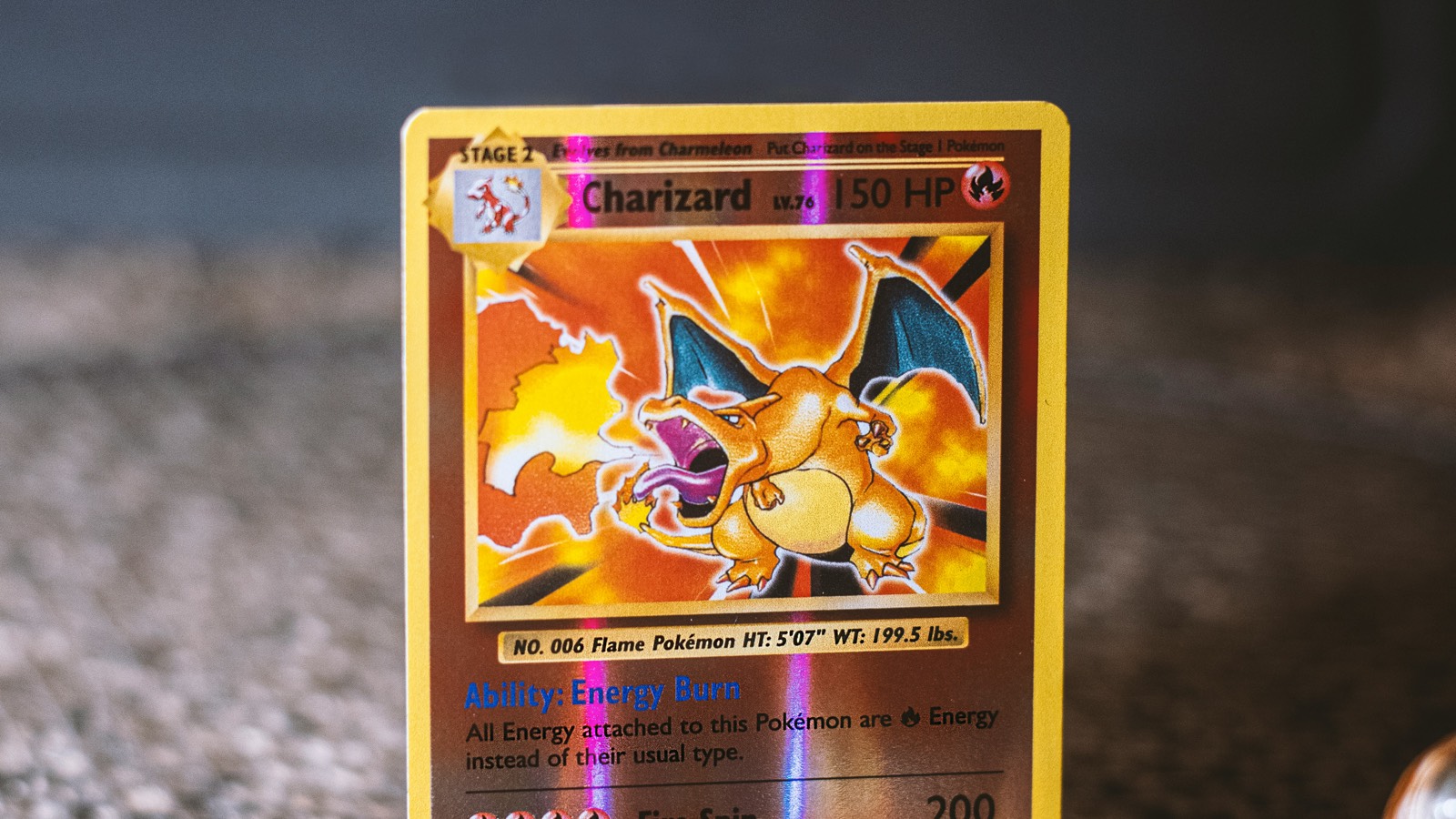
Appraisal starts before the price lookup
A Pokemon card appraisal is not just typing a name into a marketplace search box. The name is only the beginning. Real value depends on the exact printing, condition, language, demand, and whether the card is raw, graded, sealed, or part of a larger collection.
The goal is not to guess the highest possible number. The goal is to reach a realistic value range that helps you decide what to do next.
Confirm the exact card first
Many appraisal mistakes happen because two cards share a name but not a market. Charizard, Pikachu, Umbreon, Mewtwo, and other popular cards have dozens of printings. A base card, promo, reverse holo, alternate art, Japanese copy, and reprint can all behave differently.
Before pricing anything, confirm:
- card name
- set name
- collector number
- rarity or variant
- language
- whether the card is raw or graded
If you are working through a stack, a Pokemon card scanner can speed up the identity step, but still review any ambiguous result manually.
Separate appraisal groups
Do not appraise a full collection as one pile. Split it into groups first:
- obvious bulk
- modern hits and illustration rares
- vintage holos and older rares
- sealed products
- graded cards
- cards with condition problems
This makes the appraisal more accurate because each group uses a different pricing lens. Bulk is often valued as a lot. High-end singles need card-by-card research. Sealed products need box condition and product demand. Graded cards need the cert grade and recent sales for that grade.
Condition changes the appraisal fast
A valuable card in poor condition is still collectible, but it should not be compared to near-mint listings. Check corners, edges, surface, centering, dents, creases, foil scratches, and whitening. Small flaws matter more when the card is expensive.
Use the Pokemon card condition guide if you need a consistent condition vocabulary. For cards that may be grade candidates, pair this with how to check Pokemon card centering.
Compare sold prices, not hopeful listings
Asking prices are not appraisals. A seller can list a card for any number. Recent completed sales are more useful because they show what buyers actually paid. Look for sales that match:
- same card and variant
- same language
- similar raw condition or same grade
- similar marketplace and region
- recent enough to reflect current demand
If the card has thin sales history, use a wider range and document why the estimate is uncertain.
Decide what the appraisal is for
The right value depends on the use case. A quick-sale number is lower than a patient retail price. An insurance inventory may need replacement value. A trade value should account for both sides of the deal. A grading decision needs expected graded value minus grading fees, shipping, and risk.
That is why appraisals should end with an action:
- keep in collection
- sell raw
- grade first
- trade
- insure
- move to bulk
Track your estimate
An appraisal loses usefulness if it lives in a note you cannot find later. Save the card, condition, source, date, and value range inside your inventory. A Pokemon card collection app helps you keep the estimate tied to the exact card instead of a vague memory of a comp you saw once.
The simple rule
To appraise Pokemon cards, identify each card exactly, group the collection by value type, judge condition honestly, and compare recent sold prices instead of headline listings. A good appraisal is a realistic decision tool, not the biggest number on the screen.