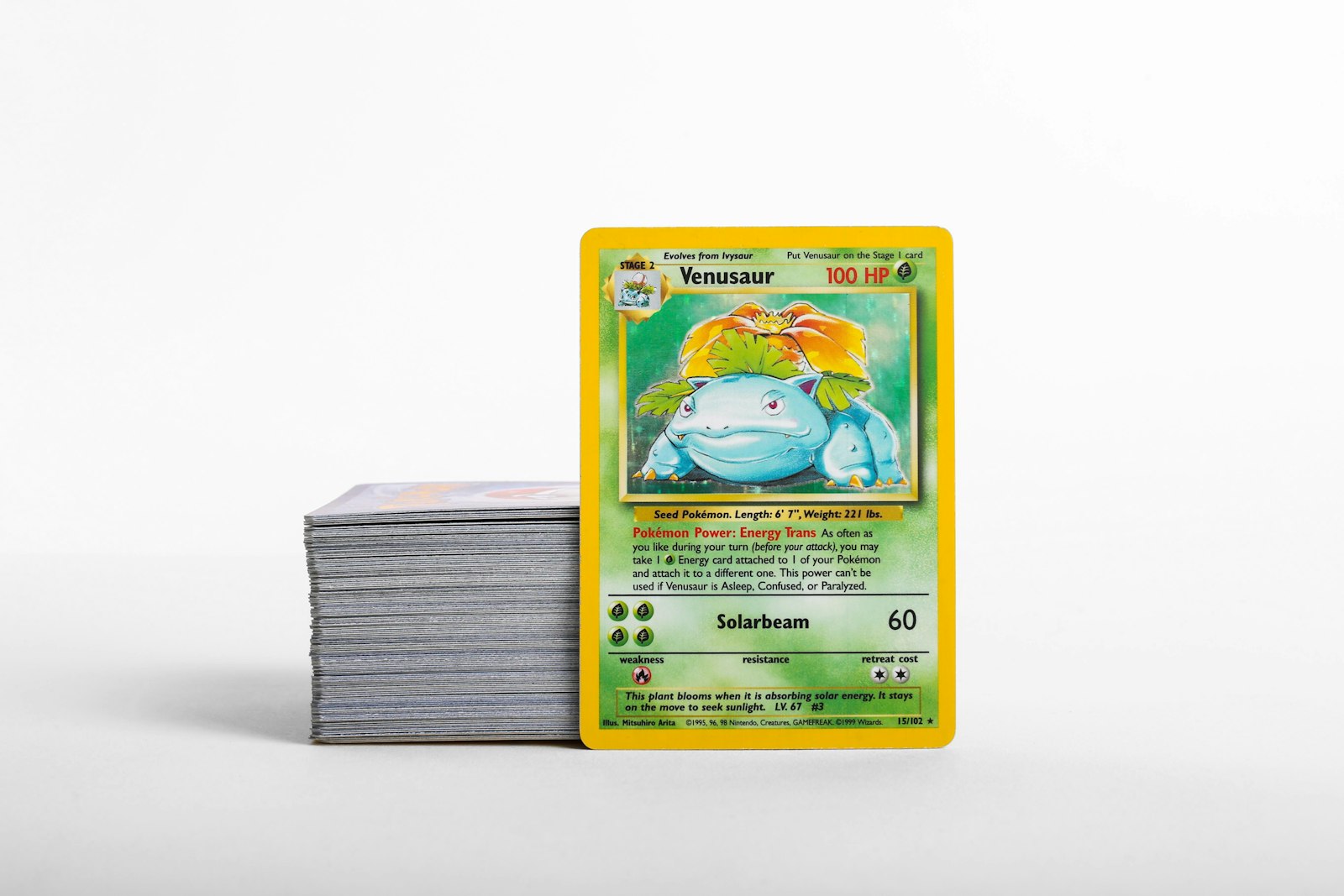
Every collector eventually faces the challenge of storage creep. You open a few booster boxes, pull some beautiful illustration rares, stack up your holos, and build a mountain of bulk. If you put every single card into a premium toploader, you will quickly run out of physical space and wreck your hobby budget. Conversely, if you throw your hits into a cardboard box unsleeved, you risk ruining the edges of cards that should have been the centerpieces of your collection.
The secret to a sustainable, organized collection is matching your physical storage format directly to a card's wear and market value. By establishing clear tiers for your collection, you can protect your best cards, keep your bulk organized, and ensure you never waste premium protection on cards that do not require it.
Why You Need a Tiered Storage Strategy
Without a structured storage plan, a collection quickly descends into chaos. Cards get mixed together, duplicates are misplaced, and condition decay quietly ruins the value of your hits.
By organizing your storage formats into tiers, you achieve three goals:
- Cost Efficiency: You only spend money on high-end protection (like magnetic cases or premium toloaders) for cards that truly warrant it.
- Space Optimization: You can compress your bulk and low-value cards into high-density storage boxes while reserving shelf space for beautiful display binders.
- Easy Retrieval: When you want to trade, sell, or simply admire your collection, you will know exactly which box or binder to pull from the shelf.
To build this system, you must first separate your cards into distinct categories based on their physical condition and estimated market value. Using a reliable Pokemon card price checker is the fastest way to establish these value baselines before you start sorting.
Tier 1: Binders for Sets, Playables, and Mid-Range Hits
Binders are the ultimate format for active collectors. They allow you to easily view your cards, show off your progress to friends, and keep complete sets organized in numerical order. However, binders expose cards to minor friction during page turns, meaning they require specific protection.
#### What Belongs in Binders
- Modern and vintage raw cards valued between $5 and $50.
- Complete expansion sets (including commons and uncommons if you are building master sets).
- Highly playable trainer cards and energy cards that you want to keep accessible for deck building.
#### Best Practices for Binder Storage
- Use Side-Loading Pages: Never use cheap, top-loading three-ring binder pages. Cards can easily slide out of the top when the binder is carried, and metal rings can pinch and crease the cards closest to the spine. Opt for strap-closed, side-loading binders with built-in, padded black backing pages.
- Double Sleeve Your Best Binder Hits: For cards near the upper end of this tier, use a perfect-fit sleeve inserted from the top, followed by a standard deck protector sleeve inserted from the bottom. This double-sleeving method seals out dust, air, and accidental spills.
Tier 2: Rigid Holders for Premium Raw Cards and Grading Candidates
When a card crosses a certain value threshold, or if its pristine physical condition makes it a prime candidate for professional grading, it must be protected from bending, corner dings, and surface scratches. This is where rigid holders are mandatory.
#### What Belongs in Rigid Holders
- Raw cards valued over $50.
- High-end modern chase cards (such as Special Illustration Rares).
- Clean, vintage holographic cards with minimal wear.
- Cards you are actively preparing to sell, trade, or submit to a grading service.
#### Best Practices for Rigid Storage
- The Penny Sleeve Rule: Never slide a raw card directly into a rigid plastic toploader or semi-rigid holder. The hard plastic can easily scratch the delicate foil surface of the card. Always put the card in a soft penny sleeve first.
- Toploaders vs. Semi-Rigids: Standard 3" x 4" toploaders are excellent for general storage, trading, and shipping. Semi-rigid holders (like Cardboard Gold Card Savers) are preferred if you plan to submit your cards for professional grading, as they hold the card firmly in place without allowing it to shift.
- Magnetic One-Touch Cases: For your absolute favorite raw cards, magnetic one-touch cases offer a beautiful display format. Just ensure you use a penny sleeve designed specifically for magnetic cases to prevent the card's surface from rubbing against the plastic lid.
Tier 3: Bulk Boxes for Commons, Uncommons, and Basic Foils
Bulk cards make up over 80% of most collections. While they do not require individual plastic sleeves, storing them carelessly can turn them into a tangled, damaged mess that is impossible to sort through.
#### What Belongs in Bulk Boxes
- Standard commons, uncommons, and non-holo rares.
- Code cards and basic energy cards.
- Low-value reverse holos and holo rares (valued under $1) that you want to keep for trade stock or future set building.
#### Best Practices for Bulk Storage
- Use Archival-Safe Cardboard: Store your bulk in acid-free cardboard storage boxes. These boxes come in various sizes, from simple 800-count single-row boxes to massive 3,200-count multi-row "monster" boxes.
- Keep Cards Upright: Do not let cards lean or lay flat in a half-empty box, as this leads to warping over time. Use plastic dividers or foam blocks to keep the rows packed snugly but not too tightly.
- Sleeve Your Reverse Holos: Reverse holographic cards warp much faster than standard paper cards due to the plastic foil layer. Give your reverse holos a quick penny sleeve before placing them in bulk boxes to prevent them from curling.
The Intake Routine: Moving Cards Safe from Pack to Storage
To prevent unsorted cards from piling up on your desk, you need a disciplined intake routine. Every time you open new packs, complete a trade, or return home from a local card show, follow this step-by-step workflow:
- Prepare a Clean Workspace: Wash and dry your hands thoroughly. Clear off your desk and lay down a clean, soft fabric playmat to protect card backs from scratches.
- Identify and Value Instantly: Use a mobile Pokemon card scanner to scan each card as you sort. This instantly identifies the exact set, variation, and current market value, giving you the data you need to assign the card to its proper storage tier.
- Inspect the Physical Condition: Look closely at the edges, corners, and surface under a bright light. Note any silvering, whitening, or light scratches.
- Sleeve and Route: Immediately place your hits into their designated sleeves and holders. Put bulk directly into your sorted cardboard trays, binder hits into your binder, and premium cards into toploaders.
- Sync Your Digital Inventory: Log your newly sorted cards into your Pokemon collection app so your digital records always match your physical storage locations.
Environmental Controls: Protecting Your Storage Long-Term
Even the best binders, sleeves, and boxes cannot protect your collection if they are stored in a hostile environment. Paper and plastic are highly sensitive to temperature, humidity, and light.
- Control the Humidity: Keep your storage area between 35% and 50% relative humidity. High humidity causes foil cards to curl (often called "foil cupping"), while extreme dryness can make the cardstock brittle. Place silica gel packets inside your bulk storage boxes and binder storage bins to absorb excess moisture.
- Avoid Temperature Swings: Store your collection in a climate-controlled room. Never store valuable cards in attics, basements, or garages, where temperature fluctuations can cause condensation to form inside plastic sleeves.
- Block UV Light: Ultraviolet light fades ink quickly, ruining the vibrant colors of your cards. Never display raw cards in direct sunlight, and store your binders flat or vertically on a shelf away from windows.
Streamline Your Sorting with PokeSnap
Organizing a physical collection is incredibly satisfying, but keeping track of which cards live in which binders, boxes, or cases can quickly become overwhelming. That is where PokeSnap makes your collecting journey seamless.
With PokeSnap, you can instantly scan your cards to identify their exact set and printing, check up-to-date market values, and catalog your entire collection in a clean, digital format. Whether you are sorting bulk boxes, building master set binders, or preparing premium raw cards for grading, PokeSnap helps you stay organized and in control of your collection. Download PokeSnap today on iOS or Android and take the guesswork out of your card storage!