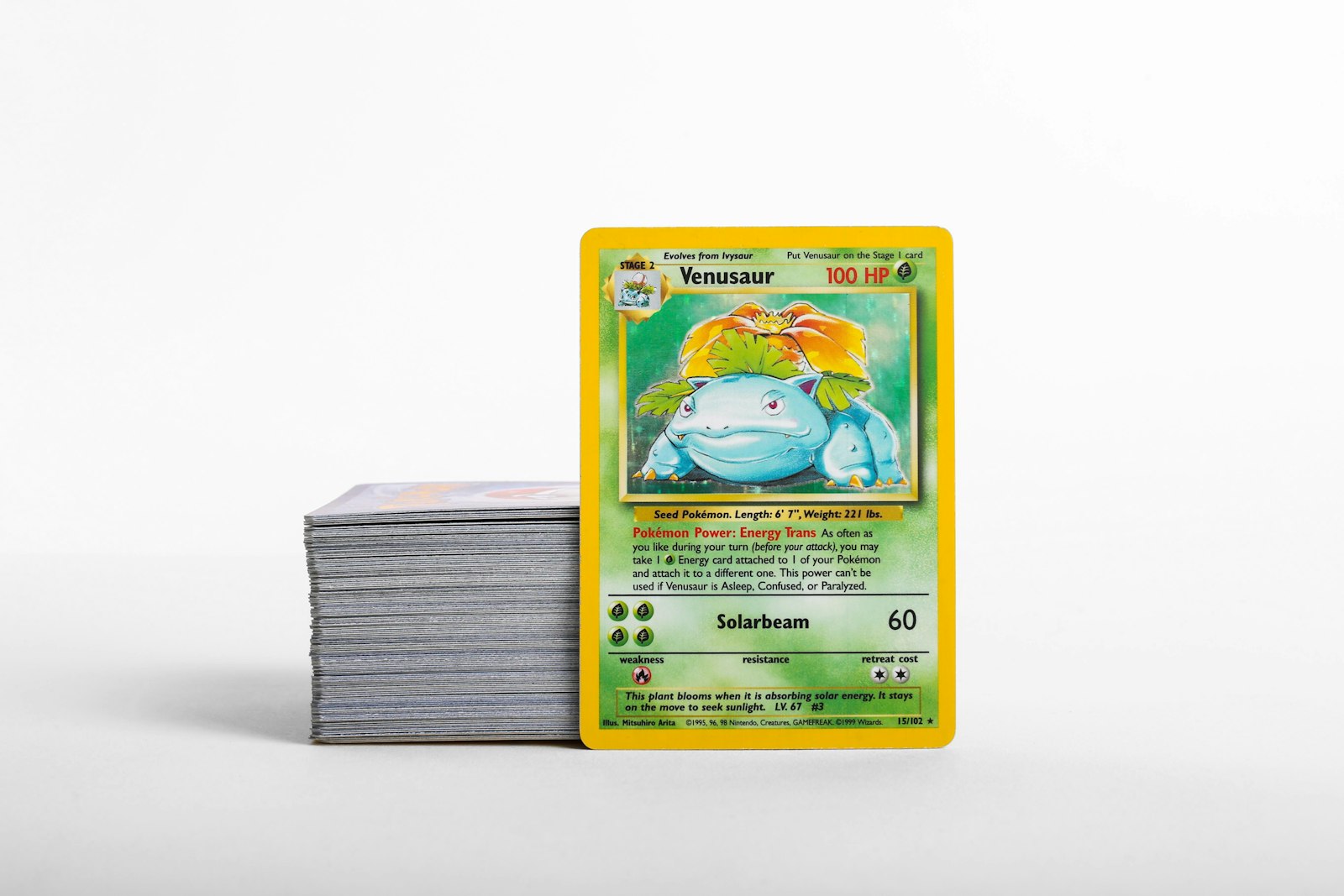
The Core Choice: Matching Protection to Card Condition
Every Pokemon card collector eventually faces a pile of raw cards and a stack of empty sleeves, binders, and storage boxes. The challenge isn't just finding a place to put them; it is deciding which level of protection matches the condition and potential value of each card. Overprotecting cheap bulk wastes money and space, while underprotecting rare hits can lead to irreversible damage like scratches, edge wear, and corner dings.
To protect your collection efficiently, you must build a system that maps card condition directly to your storage decisions. This guide will walk you through how to evaluate your cards, select the right protective gear, and organize your storage so your cards remain in the same pristine state you found them in.
Assessing Card Condition to Determine Protection Level
Before you slide a card into a sleeve, you need to know what you are handling. Card condition is the primary driver of your storage decisions. A pack-fresh card with perfect edges deserves different treatment than a lightly played vintage card or a common bulk card. When assessing raw cards, look closely for these common issues:
- Surface Scratches and Fingerprints: Holographic surfaces are incredibly sensitive. Oils from your fingers can leave permanent marks, and dust can cause micro-scratches. Always handle raw cards by their edges.
- Edge and Corner Wear: White spots along the back edges (whitening) indicate wear. Cards with pristine edges must be protected immediately to avoid friction against other surfaces.
- Foil Curling: Humidity can cause holographic cards to bend. If you notice early signs of curling, they require tighter, flatter storage environments to flatten out.
To make these decisions quickly during a sorting session, many collectors use a Pokemon card scanner to identify the exact card and check its rarity. Knowing whether a card is a standard rare or an ultra-rare variant helps you instantly route it to the correct protection tier.
The Three Tiers of Pokemon Card Protection
A balanced collection uses a tiered approach to storage. You don't need a heavy-duty hard case for every card, but you certainly need more than a cardboard box for your favorite hits. Organizing your collection into three distinct tiers saves both money and physical space:
- Tier 1: Bulk and Common Cards: These are your non-foil commons, uncommons, and basic trainers. They are best stored in bulk boxes (like standard cardboard monster boxes) with paper or plastic dividers to keep them upright and prevent sliding.
- Tier 2: Binder-Worthy Hits: This tier includes reverse holos, holos, and low-to-mid-value ultra rares. These cards should always be sleeved before entering a pocket page to prevent surface friction against the plastic page.
- Tier 3: Premium Single Storage: This is for your top chase cards, vintage holos, and potential grading candidates. These cards require a soft sleeve combined with a rigid outer barrier, such as a toploader or a magnetic one-touch case.
Choosing the Right Sleeves: Penny Sleeves vs. Perfect Fits
Sleeves are your first line of defense against dust, moisture, and surface scratches. However, not all sleeves are created equal, and choosing the wrong type can actually cause damage if handled incorrectly.
- Penny Sleeves: Loose-fitting and made of thin, clear polypropylene, penny sleeves are excellent for general protection. They allow the card to slide in and out easily without friction on the edges. They are also the gold standard for inserting cards into toploaders, as they prevent the card from sticking to the rigid plastic.
- Perfect Fit Sleeves: These are designed to hug the card with almost zero clearance. While they are great for double-sleeving, you must be extremely careful when inserting the card. Forcing a card into a tight perfect-fit sleeve can easily bend a corner or scrape an edge if you are not gentle.
If you plan to store cards in a binder, a single penny sleeve is usually sufficient. If you want maximum protection for a high-end card, double-sleeving (a perfect fit inserted upside down inside a standard deck sleeve or penny sleeve) creates a dust-tight seal that blocks out humidity.
Binders: Ringed vs. Ringless and Side-Loading Pages
Binders are the most satisfying way to view a collection, but they are also a common source of damage if chosen poorly. When shopping for a binder, keep these structural features in mind:
- Avoid Traditional 3-Ring Binders: Metal O-rings are notorious for causing 'ring dents.' When the binder is closed, stacked, or carried, the inner column of cards can press against the metal rings, leaving a permanent crease on the cards. If you must use a ringed binder, choose D-rings and always store the binder upright.
- Opt for Strap-Bound, Ringless Binders: Modern collector binders feature built-in, side-loading pages and a padded cover. Side-loading pockets prevent cards from sliding out of the top when the binder is moved, and they keep dust from settling inside the pockets.
Before filling a binder, check the pocket tightness. A good binder should hold a sleeved card snugly without warping the page. For more tips on managing your binder layouts and keeping your collection organized, explore our blog for active collector strategies.
Hard Cases: Toploaders vs. Magnetic One-Touches
For your absolute best cards, flexible plastic sleeves are not enough to prevent bending or impact damage. You need rigid protection that keeps the card perfectly flat.
- Toploaders: These rigid plastic holders protect cards from bending. Always place the card in a penny sleeve before putting it in a toploader. Trying to slide a raw card directly into a rigid toploader will scratch the surface. To make removal easier, let a small piece of the penny sleeve protrude from the top so you can pull the card out without squeezing the sides.
- Magnetic One-Touch Cases: These thick plastic cases snap together using a magnet at the top. They offer incredible display value and excellent physical protection. However, ensure the card fits perfectly inside the recessed well; if the card is too large or shifts around, the edges can get chipped over time.
Keep your toploaded cards in dedicated toploader storage boxes to prevent them from sliding around and scratching each other's plastic surfaces.
Environmental Storage Decisions
Even the best sleeves and boxes cannot protect your cards from poor environmental conditions. Keep these three factors in mind when choosing where to store your collection:
- Humidity: High humidity causes cardstock to absorb moisture, leading to the dreaded 'foil curl' on holographic cards. Low humidity can make cards brittle. Aim for a stable relative humidity of 35% to 50%. Placing silica gel packets in your storage boxes can help absorb excess moisture.
- Temperature: Extreme heat can melt the adhesives used in binders and warp plastic sleeves. Avoid storing your collection in uninsulated attics, basements, or garages where temperature swings are common.
- Light Exposure: Ultraviolet (UV) light fades ink quickly. Never display raw cards in direct sunlight. If you display your cards on shelves, use UV-resistant cases and keep them away from windows.
Tracking Your Protected Collection Safely
Once your cards are tucked away in binders, toploaders, and bulk boxes, keeping track of what you actually own can become a challenge. Pulling cards out of their protective cases just to verify their set number or check their current market value introduces unnecessary handling risks.
To avoid handling your cards more than necessary, use a digital pokemon collection app to maintain a perfect digital twin of your physical inventory. By scanning your cards as you sort them into their protective sleeves, you can monitor your collection's growth and use a pokemon card price checker to watch value trends without ever disturbing your physical cards.
Using a dedicated app like PokeSnap makes this process seamless. PokeSnap allows you to instantly scan, identify, and catalog your cards, giving you a clear view of your collection while keeping your physical cards safe and sound in their binders and boxes. Download PokeSnap today to simplify your inventory and protect your collection for the long haul.