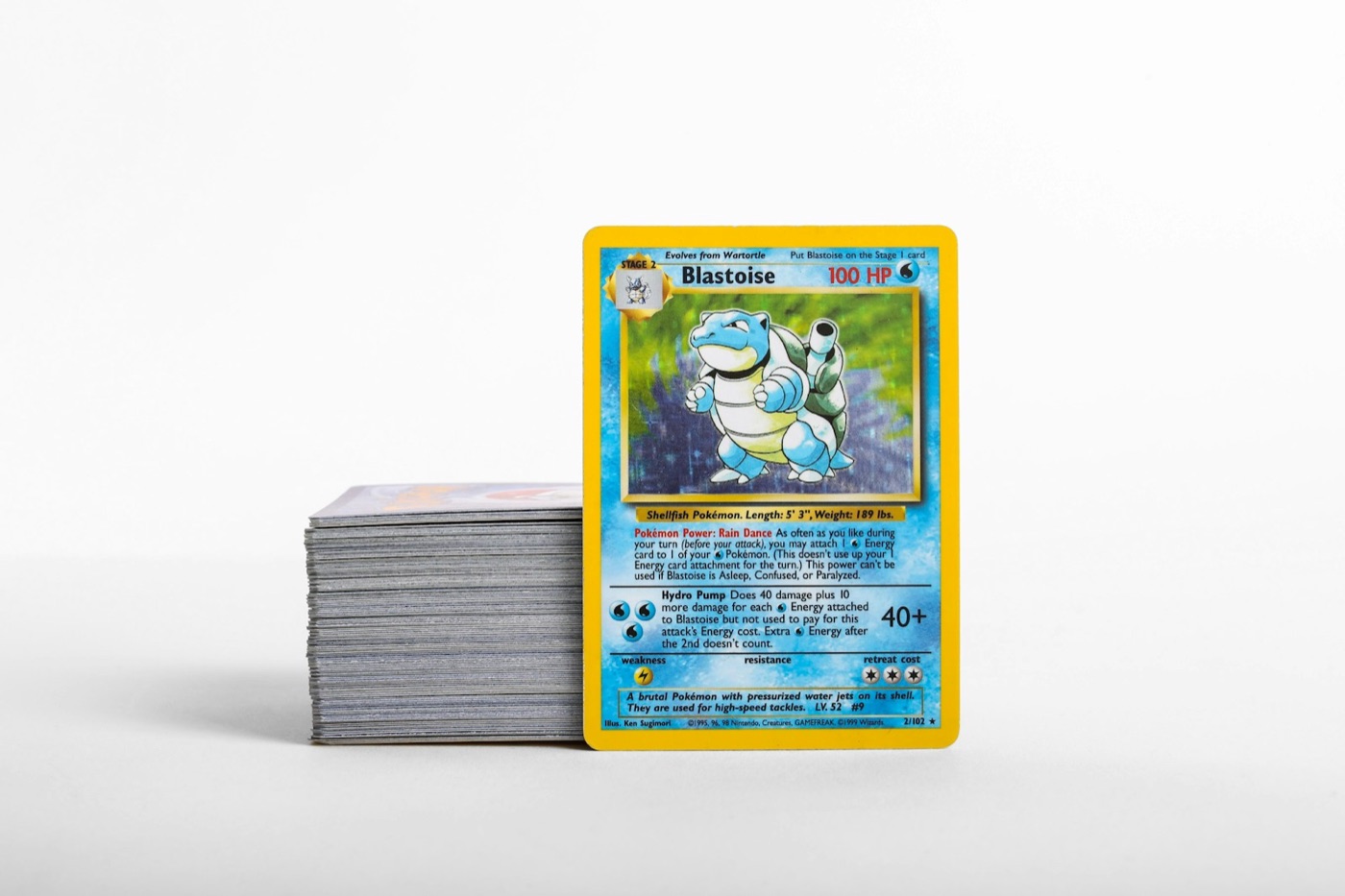
Every active Pokemon card collector eventually hits a wall where traditional cataloging methods collapse under their own weight. Opening modern booster boxes, picking up collection lots at local card shows, or receiving regular mail day deliveries creates a steady stream of unsorted cards. When you try to inspect, value, log, and file every individual single immediately upon arrival, the intake process bogs down into an exhausting chore.
This friction inevitably leads to unsorted stacks gathering dust on desks, misplaced hit cards, and inaccurate digital records. The solution used by seasoned collectors and high-volume traders is a systematic two-pass cataloging routine. By separating physical triage from digital logging, you can process incoming cards significantly faster while protecting card condition and keeping your inventory completely reliable.
Why One-by-One Sorting Fails Growing Collections
When your collection grows beyond a few binders, logging every single card sequentially is highly inefficient. Picking up a card, searching for its market value, typing its set number into a spreadsheet, placing it in a sleeve, and walking across the room to file it in a specific box takes over two minutes per card. For a fresh 36-pack booster box opening of 360 cards, that equates to hours of repetitive cleanup.
Context-switching between physical handling and screen-based record keeping creates several major problems:
- Physical Wear and Risk: Handling a raw card multiple times between raw intake, condition review, typing details, and binder insertion increases the odds of accidental fingernail nicks, corner dings, or surface friction.
- Cataloging Backlogs: Because full cataloging takes so long, collectors often process the ultra rares and dump the remaining holos, reverse holos, and bulk into unsorted staging boxes. Over time, these mystery boxes grow impossible to audit.
- Inconsistent Data Entry: Manual typing when tired leads to typos in card numbers, wrong set identifications, or forgotten duplicate counts, corrupting your inventory accuracy.
By splitting the process into two distinct, focused passes, you remove task-switching overhead and turn intake into a predictable assembly line.
The Two-Pass Philosophy: Triage First, Digitization Second
The core rule of two-pass cataloging is simple: never touch a digital tool until the physical stack is completely triaged and pre-sorted.
In Pass One, your goal is rapid physical categorization. You handle raw cards once to group them by rarity tier, storage requirement, and broad set or era. You do not look up prices, enter text, or decide binder slotting during this step.
In Pass Two, you bring digital tracking into play. Using a high-speed workflow, you scan pre-grouped stacks into your database, record condition notes, and assign final storage locations. Because the cards are already grouped logically, digital entry moves smoothly without constant switching between sets or binder pages.
Pass One: Physical Grouping by Rarity, Condition, and Storage Format
Set up a clean, well-lit workspace with adequate surface area. Clear away drinks, open food, or unnecessary clutter. Position shallow sorting trays or labeled tabletop zones before unboxing new arrivals.
During Pass One, route raw singles directly into four primary physical channels based on condition and card type:
- Ultra Rares & Chase Hits (Special Art Rares, Full Arts, Secret Rares): Sleeve immediately in soft penny sleeves and rigid top loaders or side-loading binder pages. These cards skip bulk handling entirely.
- Playable Staples & Mid-Tier Holos (Illustration Rares, Ace Specs, Meta Trainers): Place into penny sleeves and group into secondary sorting trays for binder filing or trade binders.
- Set Fillers & Reverse Holos: Group chronologically or by set code. Sleeving is optional depending on set goal priorities and raw condition.
- Common / Uncommon Bulk: Stack neatly in 800-count storage boxes separated by set dividers or expansion blocks.
By keeping your focus strictly on physical sort parameters during Pass One, you can sort a 360-card opening in under fifteen minutes without risking handling damage.
Pass Two: Mobile Scanning, Price Checks, and Digital Logging
Once physical triage is complete, clear your sorting table for Pass Two: digital intake. Rather than typing card names or set symbols into manual spreadsheets, leverage image recognition to accelerate recording.
Using a dedicated Pokemon card scanner speeds up entry by instantly matching set symbols, card numbers, and variant details in a single capture. Work through your pre-sorted stacks channel by channel:
- Start with the Hit Pile: Scan your top loaders and sleeved ultra rares first. Capturing high-value singles early ensures your primary collection value stays accurate.
- Verify Variants and Comps: Check variant flags (such as reverse holo foil patterns or promo stamps) and confirm pricing context using an integrated Pokemon card price checker before approving the record.
- Scan International Prints: If you collect global releases, make sure to scan Japanese Pokemon cards in a separate sub-batch to prevent set number overlap with English counterparts.
- Log Quantity for Duplicates: When processing common and reverse holo stacks, scan one copy and increment the duplicate counter rather than scanning identical cards repeatedly.
Batch scanning pre-sorted stacks allows you to log dozens of cards per minute while maintaining total visual accuracy.
Mapping Physical Storage to Your Digital Inventory Ledger
A digital inventory is only as useful as its physical mirror. If your app says you own a specific Illustration Rare but you have to open six boxes and three binders to find it, the inventory has failed.
During Pass Two, assign explicit location tags inside your Pokemon collection app as cards are saved. Use a standardized labeling format for your physical containers:
- Binder Identifiers: Label binders by era, set range, or set theme (e.g.,
BINDER-SV-01for Scarlet & Violet main sets). - Toploader Box Coordinates: Use numbered rows inside double-row storage boxes (e.g.,
BOX-TL-02 / ROW-A). - Bulk Box Coding: Mark long cardboard storage boxes by block and release year (e.g.,
BULK-2023-01).
When your mobile tracker records both card identity and precise bin placement, pulling cards for trades, sales, or binder upgrades takes seconds.
Preventing Inventory Drift with Scheduled Weekly Reconciliation
Even with a disciplined intake routine, small discrepancies naturally creep into growing collections. Cards get swapped at trade nights, moved between binders, or gifted to friends without immediate logging. This creates "inventory drift"—where your digital ledger slowly diverges from physical reality.
Prevent drift by establishing a brief weekly maintenance routine:
- Clear the Staging Tray: Ensure no loose cards remain in temporary intake trays at the end of the week.
- Audit One Storage Container: Select one random binder page or storage row each week and cross-check its contents against your digital app records.
- Update Pending Items: Log any completed trades, outgoing mail days, or recent purchases before opening new packs.
Spending just ten minutes a week on routine reconciliation stops minor errors from snowballing into massive collection audits later.
Streamline Your Collection Workflow with PokeSnap
Managing a growing Pokemon card collection shouldn't feel like a full-time administrative job. PokeSnap helps collectors eliminate intake friction by bringing lightning-fast card scanning, instant visual identification, market price tracking, and complete inventory management into one intuitive app.
Whether you are cataloging raw binder hits, tracking master set completion gaps, or organizing Japanese import boxes, PokeSnap gives you the digital tools to keep your physical collection perfectly organized. Download PokeSnap today and turn your unsorted piles into a clean, searchable digital portfolio.