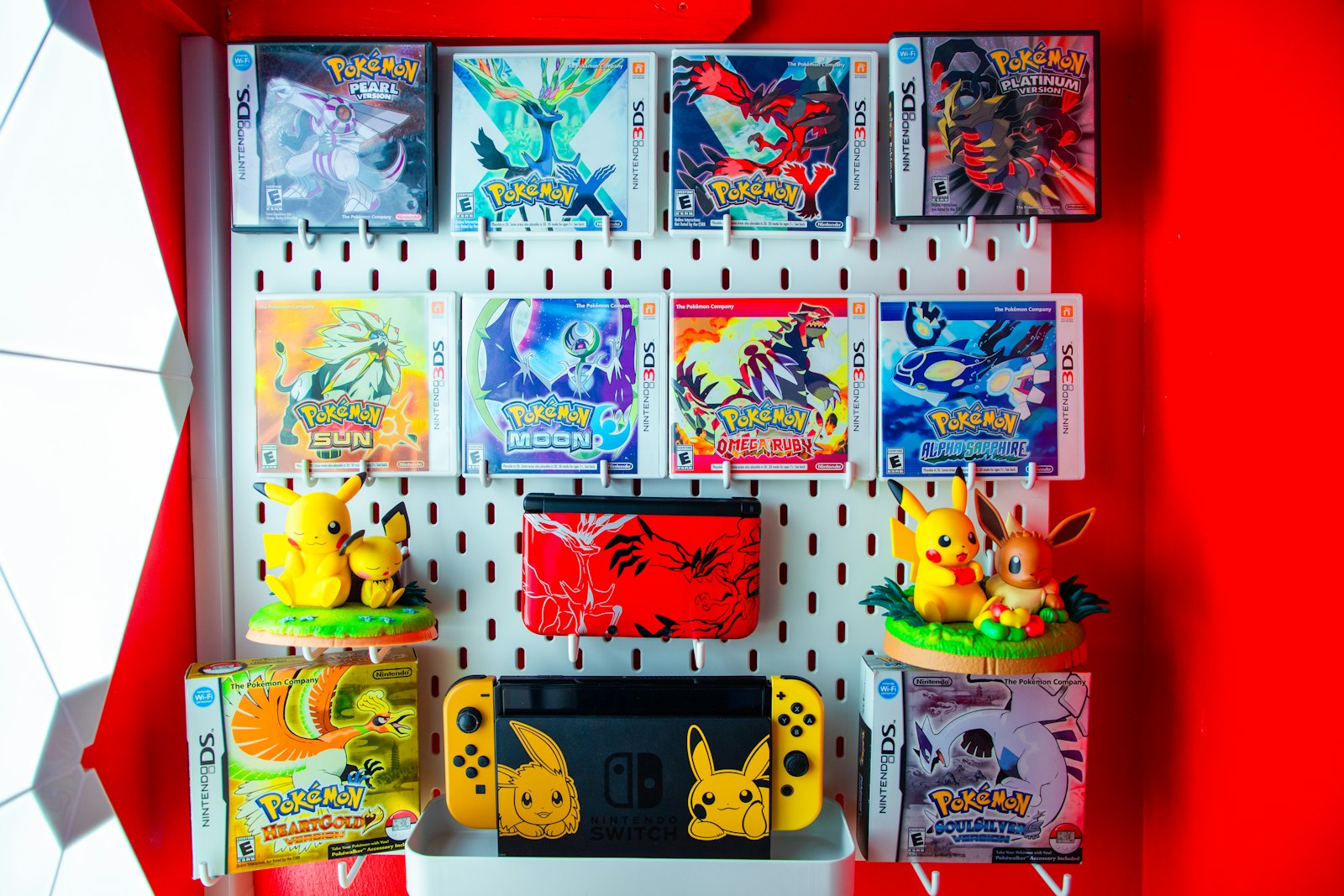
Sealed products are not just bigger cards
Sealed Pokemon products need a different tracking routine from raw singles. A booster box, elite trainer box, tin, blister, or collection box carries value through product identity, condition, release timing, sealed status, and storage quality.
If sealed products sit outside your normal inventory, your collection value will usually be incomplete.
Record the exact product identity
Start with the basics:
- product name
- set or era
- language
- release year
- product type
- barcode or SKU if available
- promo cards included
- quantity owned
The promo details matter because two products can look similar but contain different inserts, pack mixes, or display versions. If you ever sell, trade, or insure the item, vague labels create avoidable friction.
Separate sealed condition from card condition
A sealed item has its own condition language. Track wrapper tears, corner crushing, dents, sun fading, shelf wear, loose seals, price stickers, and box compression. The contents may be untouched, but buyers still care about presentation.
This is especially true for display-focused products. A clean box can command more confidence than a technically sealed box with poor shelf wear.
Track cost basis and current market value
For sealed products, cost basis should include purchase price, taxes, shipping, and any protective case or storage cost you consider part of the holding. Current value should be dated because sealed product prices can move after reprints, anniversaries, tournament demand, or nostalgia cycles.
Use the Pokemon card price checker for card-level context, then keep sealed product notes in your Pokemon card collection app so singles, slabs, and boxes can live in one collection view.
Add storage location before the collection grows
Sealed products take up space, and space creates tracking problems. Record whether an item is on display, boxed, in a closet, in a protective case, or stored off-site. If you own multiple copies, label which copy has the best condition.
Storage location sounds minor until you need to find a specific box quickly for a sale, photo, insurance snapshot, or collection audit.
Keep opening decisions visible
Every sealed product should have a next action:
- hold sealed
- open later
- sell
- trade
- display
- move to safer storage
- pair with related singles
Without this field, sealed inventory becomes passive. A next action helps you avoid opening something impulsively or forgetting which products were meant for trade.
Link sealed products to related singles
If a product includes a promo card, pack selection, or set you are actively completing, link that context. A sealed product might be part of a master set goal, a display shelf, a long-term hold, or a future opening plan. Those are different jobs.
For set-focused collectors, this pairs naturally with the Pokemon card checklist guide.
The simple rule
To track sealed Pokemon products well, record exact product identity, sealed condition, cost basis, dated value, storage location, and next action. Treat sealed products as collection assets with their own condition and workflow, not as generic boxes on a shelf.